

Staying Connected 101: Surviving Work Stress & In-Laws
Welcome! If you’ve ever felt the pressure of a demanding job colliding with family expectations, you are certainly not alone. Navigating the dual pressures of a career and a marriage requires constant effort, and learning the fundamentals of effective communication in marriage is the bedrock upon which lasting relationships are built, especially when life throws curveballs like intense work projects or complex family dynamics. This beginner's guide is designed to give you the foundational tools to keep your connection strong, even when external forces threaten to pull you apart.
What is Relationship Maintenance? (The Basics)
Think of your marriage or committed partnership like a car. It doesn't matter how fantastic the car was when you bought it; if you never change the oil, rotate the tires, or check the fluid levels, it will eventually break down. Relationship maintenance is simply the consistent, proactive effort you put in to keep your partnership running smoothly. It’s not about fixing big problems; it’s about preventing them through daily care.
This guide focuses on two common stressors: external career demands and navigating extended family relationships. We will explore simple, actionable steps you can take today to improve understanding and reduce friction.
Why This Matters for Beginners
Many people assume that if a relationship is "meant to be," it should require no work. This is a myth. All strong relationships require conscious effort. For beginners, understanding maintenance early is crucial because it builds good habits before stress levels become overwhelming.
The benefits of proactive maintenance are significant:
- Reduced Conflict: When you communicate well, small annoyances don't escalate into major arguments.
- Deeper Trust: Consistently showing up for your partner builds reliability and security.
- Resilience: A strong foundation helps you weather inevitable storms, whether they are financial, professional, or familial.

Essential Terminology Explained
To discuss this topic effectively, let’s define a few key concepts in simple terms:
- Active Listening: This means truly hearing what your partner is saying, not just waiting for your turn to talk. It involves putting down your phone, making eye contact, and summarizing what you heard ("So, what I hear you saying is…").
- Emotional Bank Account: Imagine every positive interaction (a compliment, a hug, helping with a chore) is a deposit. Every negative interaction (a harsh word, forgetting an anniversary) is a withdrawal. You need a healthy balance to handle stress.
- Boundaries: These are the invisible lines you draw around your relationship to protect it. For example, a boundary around work stress might be: "We will not discuss work after 8 PM."
Getting Started: Three Pillars of Connection
When you are juggling a tough job and complex family dynamics, you need simple, reliable strategies. We’ll focus on three foundational areas: communication, managing external pressures, and prioritizing your couple time.
Pillar 1: Mastering Effective Communication in Marriage
If you want to reduce misunderstandings, you must prioritize how you talk. Effective communication in marriage isn't just about talking more; it’s about talking better.
Action Steps for Better Communication:
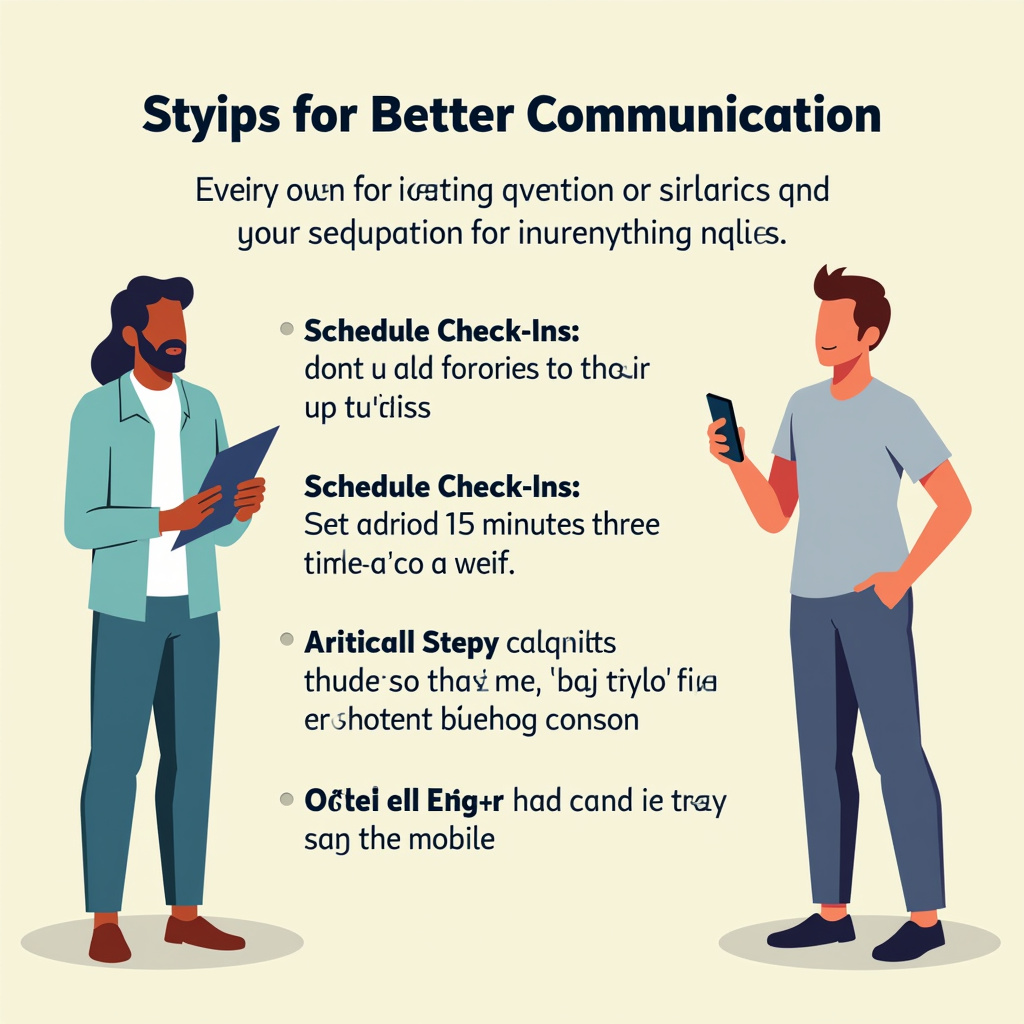
- Schedule Check-Ins: Don't wait for a crisis. Set aside 15 minutes three times a week for a "State of the Union." Use this time to discuss logistics, feelings, and appreciation—no problem-solving allowed unless both parties agree.
- Use "I" Statements: Instead of accusatory language ("You never help me"), use language that focuses on your feelings ("I feel overwhelmed when the dishes pile up"). This invites understanding rather than defensiveness.
Pillar 2: Managing In-Law Relationship Stress
Dealing with in-laws can be a significant source of tension. Learning managing in-law relationship stress requires establishing clear, unified partnership guidelines.
Action Steps for Unified Boundaries:
- The United Front: Before dealing with any challenging in-law situation, you and your partner must agree on the plan privately. Your partner should always support you in front of their family, and vice versa.
- Delegation: Decide who handles which interactions. If your spouse is more comfortable talking to their mother about a holiday schedule, let them lead that conversation. This prevents one partner from feeling solely responsible for difficult family negotiations.
Pillar 3: Staying Connected During Stressful Work Periods
When deadlines loom, it's easy to treat your partner like a roommate instead of a lover. We need strategies for staying connected during stressful work periods without adding more pressure.
Action Steps for Maintaining Intimacy:
- Micro-Moments of Connection: You might not have time for a three-hour date night, but you have time for five minutes. This could be a dedicated morning hug, a quick text midday saying, "Thinking of you," or sharing a cup of coffee before logging on.
- The Decompression Zone: When one partner comes home from work exhausted, agree on a 15-minute decompression period. No immediate demands or problem-solving. This allows the stressed partner to transition out of "work mode" before engaging fully in home life.
Common Beginner Pitfalls to Avoid

As you begin this maintenance journey, watch out for these common traps:
- Assuming Mind-Reading: Never assume your partner knows how stressed you are or what you need. You must articulate your needs clearly.
- The Scorecard Mentality: Avoid keeping track of who did what to "even the score." Relationships thrive on generosity, not accounting.
- Ignoring Subtle Shifts: Sometimes, the first sign of trouble isn’t a fight; it’s quietness. Watch out for the signs your partner is pulling away, such as increased secrecy about their phone, skipping planned activities without explanation, or a noticeable drop in physical affection. Address these small signs immediately with curiosity, not accusation.
Next Steps for Continued Growth
Once you have the basics down, there are areas to explore further to deepen your relationship strength.
For couples looking ahead, consider these topics as your next learning modules:
- Financial Alignment: Discussing money is often stressful. Learning how to talk about finances transparently is key.
- Reigniting Romance: As you move past survival mode, explore new ways to date each other. If you are looking for dating advice for the new year, focus on novelty. Trying new activities together breaks routine and boosts positive feelings in the relationship.
- Conflict Resolution Styles: Understanding how you and your partner fight can be more illuminating than what you fight about.
An Encouraging Conclusion
Building a resilient partnership while handling the pressures of work and family is an ongoing marathon, not a sprint. You don't need to be perfect; you just need to be present and intentional. By focusing on effective communication in marriage, setting clear boundaries for managing in-law relationship stress, and consciously looking for the signs your partner is pulling away so you can intervene early, you are equipping your relationship for long-term success. Start small today—schedule that five-minute check-in—and watch the strength of your connection grow. You’ve got this!

