
How to Spot Partner Pulling Away in New Year Dating
The start of a new year often brings renewed energy to dating and relationships. However, it can also be a period where underlying issues surface, making it crucial to recognize the signs your partner is pulling away. Early identification of emotional distance is the first step toward proactive relationship maintenance, whether you are navigating the early stages of dating or strengthening an established partnership. This practical guide will equip you with the necessary tools to observe, assess, and address potential withdrawal before it escalates.
Prerequisites and Requirements for Assessment
Before diving into the steps for spotting withdrawal, ensure you have the right foundational mindset and tools in place. This assessment requires objectivity, not immediate panic.
1. Establish Baseline Behavior
To notice deviation, you must first understand the norm. Document (mentally or physically) your partner’s typical communication frequency, affection levels, and shared activity preferences over the last month or two. If your partner usually texts "Good Morning," a sudden three-day silence is a red flag; if they rarely text, a single missed text is noise.
2. Ensure Personal Emotional Stability
Approach this analysis from a place of calm, not insecurity. If you are currently dealing with high personal stress—perhaps staying connected during stressful work periods or navigating external pressures—ensure your perception isn't being skewed by your own anxiety.
3. Commit to Honest Observation
Agree internally that you will observe behaviors without immediately confronting or accusing. This initial phase is purely data collection.
Step-by-Step Guide: Identifying Withdrawal Cues
Follow these sequential steps to systematically evaluate whether your partner is emotionally distancing themselves.
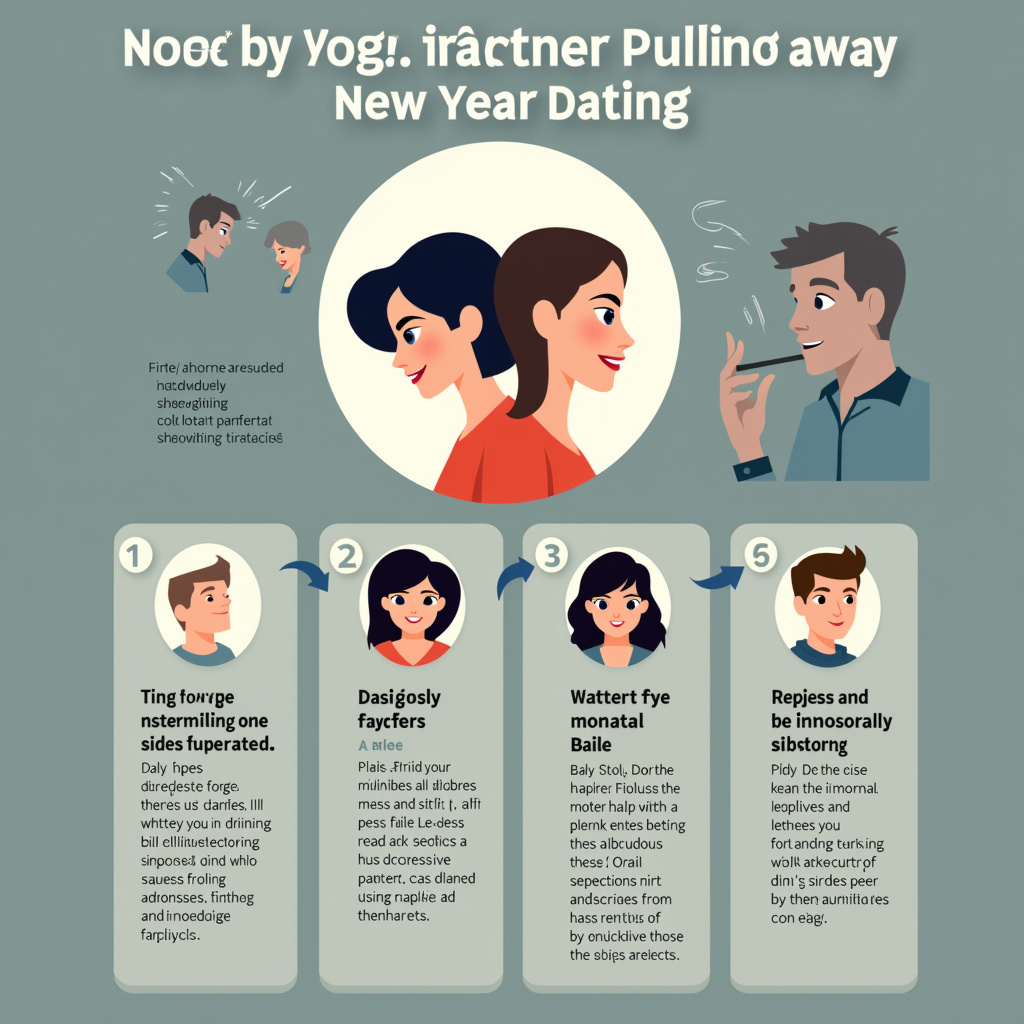
Step 1: Analyze Changes in Communication Patterns
Communication is the primary indicator of relational health. Look for quantifiable shifts in how you connect.
- Decrease in Initiated Contact: Note if they initiate calls, texts, or plans less frequently than before. Are you always the one reaching out first?
- Superficiality in Dialogue: When you do communicate, are conversations brief, factual, and lacking depth? Look for an absence of sharing personal thoughts, feelings, or future planning. For example, conversations shift from "What did you think about that movie plot?" to "Did you remember to pay the bill?"
- Delayed or Shortened Responses: Observe response times. Are texts taking significantly longer, or are responses becoming terse (e.g., one-word answers)?
Step 2: Evaluate Shifts in Shared Time and Activities
Physical presence and shared experiences are vital connection points. A pulling partner often reduces investment here.
- Increased Scheduling Conflicts: Do they suddenly become busy or unavailable when you suggest spending time together? Pay attention to how they decline—is it with a firm alternative plan, or a vague promise to "check later"?
- Emotional Disengagement During Together Time: Even when physically present, check for mental absence. Are they constantly distracted by their phone, zoning out, or seeming preoccupied during dates or downtime? This signals a desire to create mental space.
Step 3: Observe Changes in Vulnerability and Intimacy
Emotional and physical intimacy are often the first casualties of a partner pulling away.
- Reduced Self-Disclosure: Are they less willing to share concerns, triumphs, or frustrations from their day? This is often a precursor to larger issues, especially if you are trying to practice effective communication in marriage techniques that require mutual vulnerability.
- Decreased Physical Affection: Look beyond sexual intimacy. Has there been a noticeable reduction in casual touch—holding hands, cuddling on the couch, or spontaneous hugs?

Step 4: Scrutinize Reactions to External Stressors
How a partner handles outside pressure can reveal their commitment level to the partnership.
- Inability to Manage External Stressors Together: If external pressures arise (like managing in-law relationship stress or career demands), does your partner draw closer for support, or do they retreat inward, making you feel like an outsider to their problem?
- Increased Criticism or Defensiveness: Sometimes withdrawal manifests as passive aggression. If you attempt to gently raise a minor concern, does your partner become immediately defensive or critical? They may be deflecting because they lack the emotional energy for constructive engagement.
Step 5: Assess Future Planning and Alignment
A partner who is invested in the long term actively includes you in future visions.
- Vague Future Talk: Notice if they stop using "we" when discussing next month, next season, or next year. If you bring up a future event and they respond vaguely or change the subject, it’s a significant indicator.
- Lack of Investment in Shared Goals: Are they suddenly lukewarm about goals you previously agreed upon, such as travel plans, moving in, or joint financial decisions?
Common Mistakes to Avoid During Assessment
Spotting withdrawal requires careful navigation to avoid creating the very distance you are trying to measure.
Pitfall 1: Diagnosing Without Dialogue
Warning: Do not leap to conclusions based solely on observing these signs. Withdrawal is often a symptom of personal stress, fear, or confusion, not necessarily a desire to end the relationship. Use these observations to inform a conversation, not replace it.

Pitfall 2: Overcompensating or Clinging
Warning: The natural human reaction to perceived distance is often to chase harder, smothering the partner with attention, texts, or demands for reassurance. This counteracts the space they are trying to create and can accelerate the pulling away process. Maintain your own life and social schedule.
Pitfall 3: Confusing Individual Needs with Relationship Failure
Warning: Remember that healthy relationships require both connection and autonomy. Ensure you are not mistaking a temporary need for personal space—perhaps due to intense deadlines (staying connected during stressful work periods often requires scheduling dedicated quiet time)—as permanent emotional abandonment.
Expected Results and Next Steps
If you have completed the five steps and consistently noted significant, sustained negative shifts across multiple categories, the next phase is intervention.
Success Looks Like:
Success at this stage is not "the partner stops pulling away immediately." Success means you have validated your concerns with objective data and are prepared to initiate a productive, non-accusatory conversation.
Transitioning to Action
Once you are certain that the signs your partner is pulling away are present, you must transition from observation to action.
- Schedule a Dedicated Time: Do not ambush them when they walk in the door. Say, "I’d love to set aside 30 minutes tomorrow evening to check in about how we are both feeling about the relationship. Is 7 PM good?"
- Use "I" Statements: Frame your observations around your feelings, not their perceived failings. Instead of, "You never initiate plans anymore," try, "I’ve been feeling disconnected lately because I’ve noticed I’m initiating most of our conversations, and I miss connecting with you."
- Listen Actively: Once you present your findings, give them ample, uninterrupted space to respond. Their explanation—whether it's stress, personal fear, or genuine dissatisfaction—will dictate your subsequent dating advice for the new year: whether the focus needs to be on repair, boundary setting, or re-evaluation of the relationship's future.
By systematically observing behavioral shifts and approaching the subsequent conversation with preparation and empathy, you maximize your chances of repairing any growing distance and ensuring your relationship moves forward with clarity in the new year.