

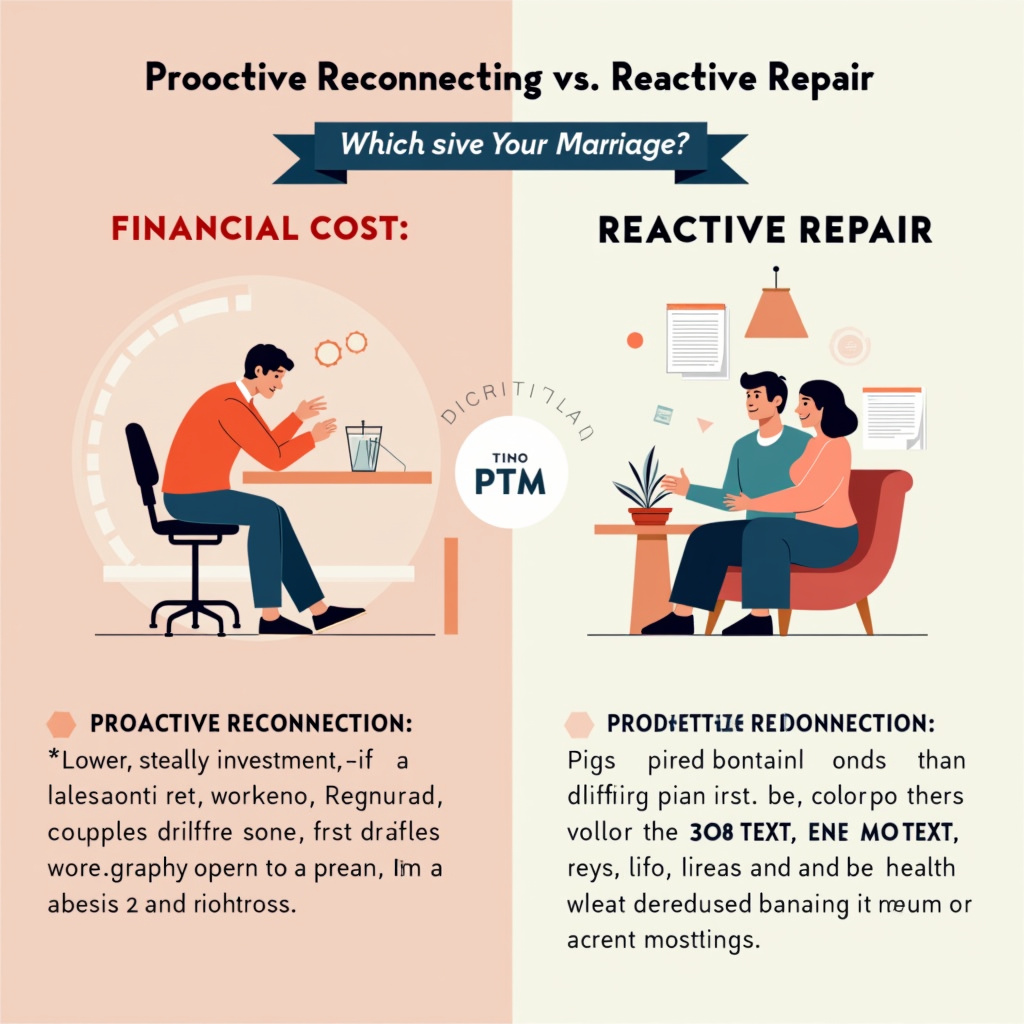
Proactive Reconnection vs. Reactive Repair: Which Saves Your Marriage?
In the complex ecosystem of a long-term partnership, maintaining relational health requires consistent effort. Far too often, couples find themselves defaulting to one of two strategies: Proactive Reconnection—the intentional, ongoing effort to nurture the bond—or Reactive Repair—the crisis management approach taken only after significant damage or distance has occurred. Understanding the fundamental differences between these two approaches is crucial for couples seeking sustainable happiness. This article will provide a balanced, professional comparison to help you determine which methodology best suits your relationship's current needs, especially when navigating challenges like effective communication in marriage, high-pressure careers, or external stressors like managing in-law relationship stress.
Introduction: The Core Dilemma for Modern Couples
For many, the default setting in a marriage becomes reactive. Life intervenes—children, demanding careers, financial pressures—and couples only address the relationship when a major issue surfaces, such as recognizing the signs your partner is pulling away. Reactive Repair is akin to waiting for a pipe to burst before calling a plumber. While necessary in emergencies, it is an exhausting and often costly long-term strategy.
Proactive Reconnection, conversely, is preventative maintenance. It involves setting aside dedicated time, practicing specific communication skills, and intentionally investing in the emotional bank account before the balance runs low. This comparison is designed for couples who recognize their current strategy isn't working optimally and are seeking a sustainable framework for growth and resilience.
Option 1: Reactive Repair (The Crisis Management Approach)
Reactive Repair focuses on fixing problems once they have manifested. This approach is characterized by addressing conflicts, misunderstandings, or emotional distance only after they become undeniable issues requiring immediate attention.
Characteristics of Reactive Repair
This strategy often kicks in when couples notice significant negative shifts. They might rush to counseling only after an argument has become explosive, or they might attempt to reconcile after one partner has already emotionally checked out.
- Trigger-Based Action: Intervention only occurs when conflict levels spike or a partner explicitly states they are unhappy.
- High Emotional Cost: Repairs following significant damage are emotionally taxing, often involving defensiveness, guilt, or deep resentment.
- Focus on Symptoms: Efforts are often directed at the immediate symptom (e.g., the last fight) rather than the underlying systemic issues.
Option 2: Proactive Reconnection (The Preventative Maintenance Approach)
Proactive Reconnection treats the marriage as a dynamic system requiring regular calibration and nourishment. It emphasizes building robust communication habits and fostering emotional intimacy even during periods of relative calm. This is particularly vital when staying connected during stressful work periods.

Characteristics of Proactive Reconnection
This approach requires commitment to ongoing practices, such as regular check-ins, active listening exercises, and scheduled quality time. It integrates relationship maintenance into the regular rhythm of life.
- Scheduled Investment: Allocating time for intentional connection, separate from logistics planning (bills, children’s schedules).
- Skill Building: Actively practicing effective communication in marriage techniques, such as "I" statements and reflective listening, outside of high-stakes situations.
- Early Warning Systems: Being attuned to subtle signs your partner is pulling away and addressing them gently before they escalate into crises.
Head-to-Head Comparison Across Key Criteria
To objectively assess these two approaches, we compare them across critical dimensions relevant to marital success.
| Criterion | Reactive Repair | Proactive Reconnection |
|---|---|---|
| Features/Capabilities | Conflict resolution, damage control, boundary setting after transgression. | Emotional attunement, shared vision planning, consistent positive reinforcement. |
| Ease of Use | Easy to start (requires no planning), but difficult to sustain due to burnout. | Requires discipline and scheduling; initially feels unnatural or burdensome. |
| Performance (Long-Term) | Cyclical; high peaks of conflict followed by temporary calm, leading to slow erosion of trust. | Steady, cumulative growth; higher resilience against external pressures like managing in-law relationship stress. |
| Emotional Energy Required | High spikes of energy during crises; low overall energy during "peaceful" lulls. | Moderate, consistent energy expenditure; lower energy needed during actual conflicts. |
| Support & Community | Often relies heavily on external support (therapy) only when things are critical. | Utilizes community/support systems for ongoing learning and skill refinement. |
Feature-by-Feature Deep Dive
1. Effective Communication in Marriage
Reactive Repair forces communication under duress. Conversations about feelings often devolve into debates about who is "right" or who caused the latest problem. The goal is survival, not understanding.
Proactive Reconnection prioritizes communication as a skill to be honed. Couples practice active listening when discussing mundane topics, making the transition to difficult conversations smoother. They establish ground rules for dialogue before a major issue arises regarding work-life balance or staying connected during stressful work periods.
2. Handling External Stressors (e.g., In-Laws)

When managing in-law relationship stress, the reactive approach waits until a holiday gathering explodes into a fight before discussing boundaries. The repair involves damage control with the in-laws and post-mortem arguments between the spouses.
The proactive approach involves pre-emptive strategy sessions. Couples discuss expectations, create unified front strategies, and schedule private "debriefing" time immediately following stressful visits, reinforcing their partnership over external loyalties.
3. Identifying Distance
In the reactive model, couples often miss the signs your partner is pulling away until they are halfway out the door. The realization is sudden and shocking, leading to desperate attempts to bridge a widening chasm.
In the proactive model, couples have established routines (like daily check-ins or weekly date nights) that act as relational sensors. If one partner misses the check-in or seems unusually distracted, the other addresses it gently: "I noticed you seemed distant during dinner; is everything okay, or is work weighing heavily?"
Pricing and Value Analysis
The "cost" of each approach isn't just financial; it’s measured in time, emotional toll, and opportunity cost.
Reactive Repair:
- Financial Cost: Often involves expensive, intensive therapy sessions (crisis intervention rates). High costs associated with legal consultation if distance leads to separation.
- Value: Immediate (temporary) relief from acute pain, but zero long-term relationship equity built.
Proactive Reconnection:
- Financial Cost: Lower, steady investment—perhaps a relationship workshop, regular couples coaching, or subscription to a relationship skill-building app.
- Value: High long-term equity. Reduced need for crisis intervention, greater resilience, and deeper shared fulfillment. The value lies in preventing the loss of years otherwise spent fighting or recovering.
Best Use Cases for Each Approach
While Proactive Reconnection is the ideal long-term strategy, Reactive Repair has its necessary moments.
When Reactive Repair is Necessary:
- Acute Infidelity or Betrayal: When trust is fundamentally shattered, intensive, immediate repair work (often guided by a therapist) is required to stabilize the situation before long-term reconnection efforts can begin.
- Sudden Catastrophic Stress: A major health crisis or job loss might temporarily sideline proactive efforts; repair becomes necessary simply to survive the immediate shock.
- Initial Awareness: If a couple has never practiced proactive skills, they may need a few initial reactive sessions with a counselor to halt immediate destructive patterns before they can commit to maintenance.
When Proactive Reconnection Excels:
- Routine Maintenance: For stable couples wanting to prevent complacency and maintain high satisfaction levels.
- Navigating Normal Life Transitions: Excellent for staying connected during stressful work periods or when integrating new family dynamics, such as when managing in-law relationship stress.
- Building Resilience: Couples seeking to deepen their effective communication in marriage skills so that future inevitable conflicts are less damaging.
Final Verdict and Guidance
The question is not which approach saves a marriage, but rather, which approach should dominate the strategy?
Reactive Repair is insufficient as a primary strategy. It is the emergency brake, not the steering mechanism. Relying on it means accepting a marriage defined by cycles of pain and recovery, constantly fighting to stay afloat rather than charting a course forward.
Proactive Reconnection is the superior, sustainable framework for marital health. It builds the relational muscle necessary to handle adversity when it inevitably strikes. It transforms communication from a battlefield into a bridge.
Guidance for Implementation:
If your marriage currently defaults to Reactive Repair, the first step is scheduling a low-stakes, non-confrontational meeting to discuss how you communicate. Agree to implement one small proactive habit this week—perhaps a 15-minute, distraction-free daily check-in. This initial step shifts the paradigm from waiting for disaster to intentionally cultivating connection, ensuring your partnership is built on resilience, not just recovery.