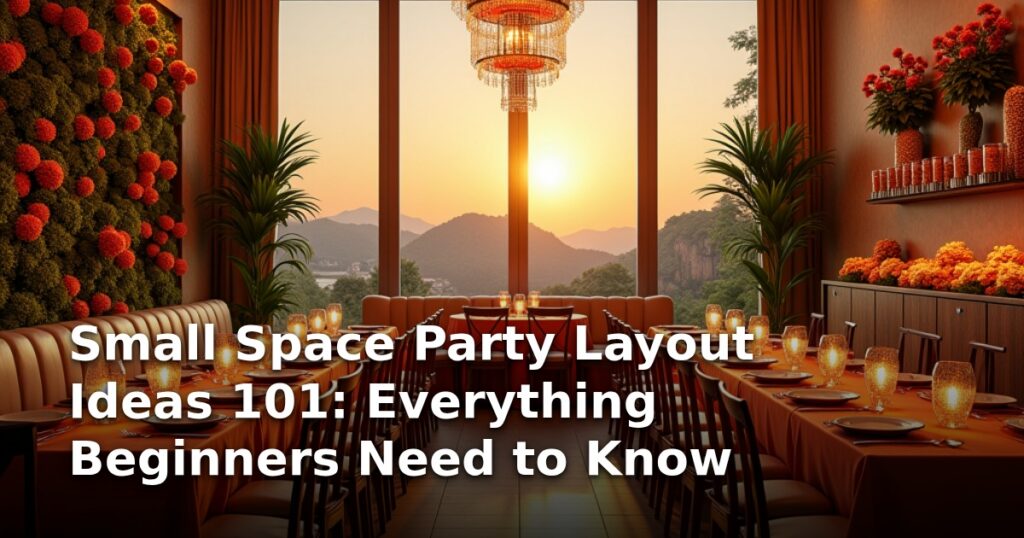
Small Space Party Layout Ideas 101: Everything Beginners Need to Know
So, you want to throw a party? That’s fantastic! Whether it’s a milestone birthday, a casual get-together, or celebrating a big life event, parties are wonderful. But perhaps you’re staring around your apartment or cozy living room thinking, "Where will everyone sit?" Don't panic! Mastering small space party layout ideas is easier than you think, and it’s the secret ingredient to hosting a successful event without needing a ballroom. This guide is designed for the absolute beginner, breaking down everything you need to know to turn your compact space into the perfect party hub.
Welcome to Party Planning 101!
If the thought of hosting fills you with dread because of limited square footage, you are not alone. Many of the best, most intimate gatherings happen in smaller settings. This guide will walk you through setting up your space so that your guests feel comfortable, the flow is natural, and you still have room to enjoy yourself. We’ll cover everything from furniture placement to fun party ideas that don't require acres of room.
What Exactly is a "Small Space Party Layout"?
Simply put, a small space party layout is the strategic arrangement of furniture, food stations, and traffic flow within a limited area (like a standard apartment living room or a small backyard) to maximize guest comfort and interaction. Think of it like Tetris, but instead of fitting blocks, you’re fitting people, snacks, and good vibes!
Why Mastering Layout Matters for Beginners
As a beginner, layout is your MVP (Most Valuable Player). A good layout prevents bottlenecks—those annoying spots where everyone crowds and bumps into each other. It ensures that your amazing spread of food doesn't become an obstacle course. When the space feels intentional and flows well, guests relax faster, which means you relax faster too. A well-planned layout makes even the simplest low-cost birthday themes feel incredibly polished.
Essential Terminology Explained (No Jargon Allowed!)
Before we start moving sofas, let's quickly define a couple of terms you’ll hear often:
- Traffic Flow: This is the path guests naturally take through your party area. You want clear, wide paths between key zones (like the entrance, the food table, and the seating area).
- Zoning: This means dedicating specific areas for specific functions. For example, one corner is the "Drink Station Zone," and another is the "Conversation Zone."
- Vertical Space: Since you can’t spread out horizontally, look up! Using shelves, tiered serving trays, and wall space for decor utilizes vertical space efficiently.
Getting Started: Your First Steps to Small Space Success
Ready to transform your living room? Follow these initial steps before you even think about appetizers.
Step 1: Declutter Ruthlessly
This might be the most important step. Before you can plan a layout, you need space to plan with. Put away any non-essential furniture, stacks of magazines, or extra décor. If you aren't actively using it for the party, it needs to be stored elsewhere for the duration.
Step 2: Define Your Party Zones
Decide what activities are essential for your gathering. Are you serving a full meal? Is it just drinks and mingling? Based on your planned party ideas, create distinct zones:
- The Welcome Zone: Near the door, where coats can be quickly dropped (maybe on a designated chair or rack).
- The Refreshment Zone: The food and drink station. This should be easily accessible but not in the main path of traffic.
- The Seating/Mingling Zone: Where people will gather to chat.
Step 3: Strategic Furniture Placement (The Great Push)
In small spaces, furniture often needs to be pushed against the walls. This opens up the center of the room for movement.
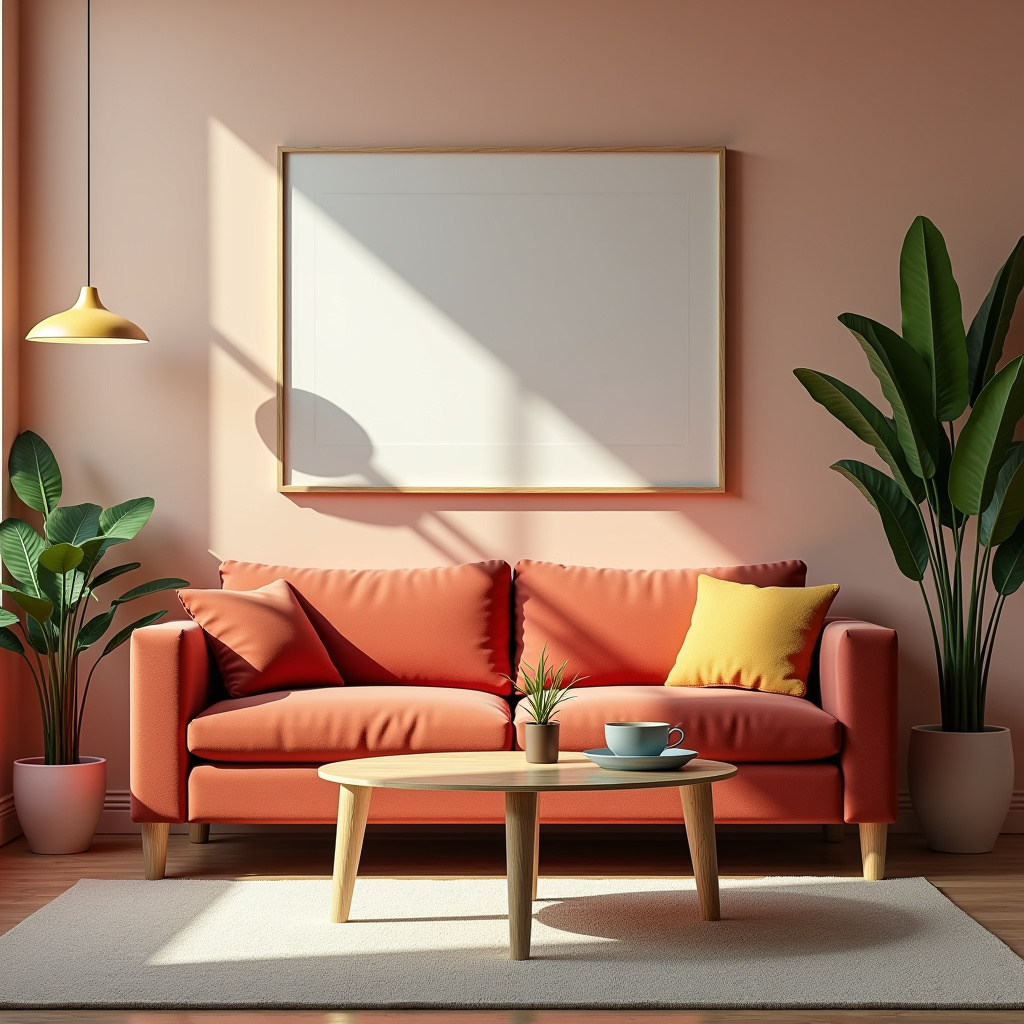
- The Food Table Placement: Place the food and drinks against the longest clear wall. This creates a natural boundary that people line up along, rather than crowding the middle of the room.
- Seating Strategy: Instead of using one large sofa, use smaller, easily movable pieces like ottomans or folding chairs that can be tucked away later. If you are hosting a more formal event, like an elegant dinner party theme, you’ll need to be very precise about table placement, perhaps opting for a skinny buffet table instead of a huge dining setup.
Step 4: Embrace Vertical Decor and Lighting
Since floor space is limited, look up! This is where you can add personality without tripping hazards. Use fairy lights, hang banners, or use tall, narrow shelving for displaying snacks. Good lighting also makes a small room feel more open and inviting. If you’re aiming for a specific vibe, like a themed cocktail party menu, use lighting to highlight the bar area.
Tailoring Your Layout to Your Theme
The layout needs to support the type of party you are throwing. A quiet gathering needs different zones than an interactive one.
Layouts for Active Fun
If you are planning diy party games for adults or something that requires movement, you need maximum open floor space. In this case, seating should be minimal—perhaps just perimeter seating against the walls—and the food station should be very compact.
Layouts for Specific Events
- Teenager Party Themes at Home: Teens often prefer to stand and graze. Keep the food station central but clear the main pathways. A designated "tech zone" (where phones might charge or music is controlled) can help consolidate activity.
- Retirement Party Themes for Men: These often involve more seated conversation. Focus on creating small clusters of chairs (pods of four) rather than one large circle, which encourages deeper, smaller group chats.
- Murder Mystery Parties: For an interactive murder mystery party kit, you need a central area for clues and a few distinct "hiding spots" or side tables where smaller groups can huddle to discuss theories without blocking the main flow.
Common Beginner Mistakes (And How to Avoid Them)
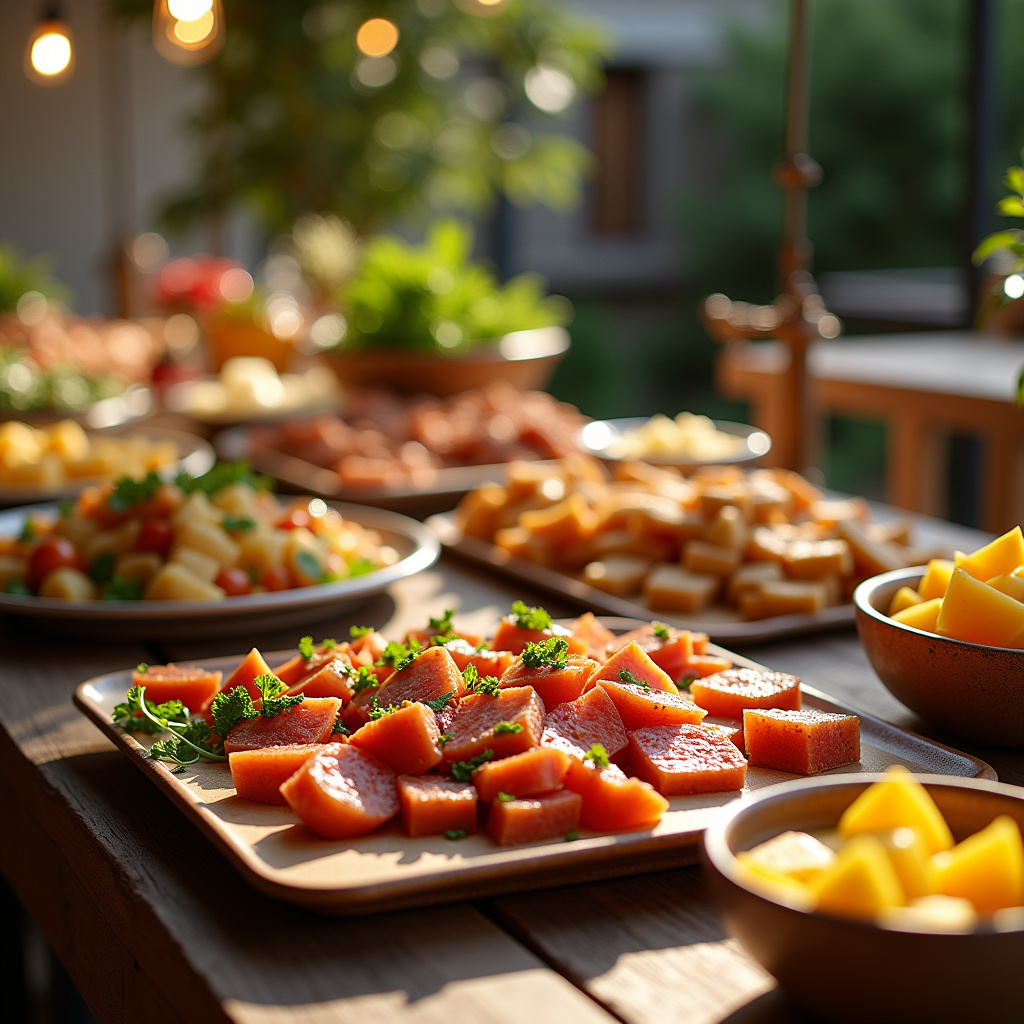
Don't let these pitfalls trip you up!
- The "Lava Pit" Food Table: Placing the food table in the direct center of the room. This immediately creates a traffic jam because everyone has to cross through the food zone to get anywhere else. Fix: Push it against a wall.
- Forgetting the Entryway: Guests immediately feel uncomfortable if they have nowhere to put their coat or bag. Have one designated spot near the door ready before they arrive.
- Trying to Do Too Much: You don't need a full bar, a photo booth, and a dance floor in a 400 sq. ft. space. Stick to one or two strong party ideas that fit the space. If space is truly tight, consider pivoting to virtual party game ideas alongside light snacks.
Need a Last-Minute Guide?
If you’re staring down a party happening tomorrow, remember the mantra: Clear the center, push the edges. For a last minute party planning guide, focus only on the essentials: 1) Clear the clutter, 2) Designate the food spot against the longest wall, and 3) Ensure the bathroom is spotless and clearly marked. Don't worry about elaborate décor; good music and good lighting do 80% of the heavy lifting!
Next Steps for Continued Party Success
Once you’ve mastered the physical layout, you can level up your hosting game:
- Read up on Theming: Explore cheap party decorations that utilize what you already own. A simple color scheme is often more effective than buying tons of unnecessary themed props.
- Practice Your Flow: Walk through your planned layout yourself. Pretend you are holding a drink and a plate. Does it feel easy?
- Create a Checklist: Download or create a free party planning checklist to ensure you don't forget things like ice, napkins, or trash bags—the small things that derail a beginner host!
You've Got This!
Hosting a fantastic party in a small space isn’t about having the biggest house; it’s about being the smartest planner. By understanding small space party layout ideas, decluttering effectively, and zoning your activity areas, you create an environment where guests feel connected and comfortable. Don't stress over perfection; focus on fun. Your guests are coming because they want to see you, not because they are inspecting your square footage. Now go plan that amazing event!