
DIY Gift Kits 101: Creating Thoughtful Presents Under $25
Ever stared blankly at a store shelf, knowing you need a great gift but dreading the price tag? You’re not alone! This year, let’s ditch the generic store-bought items and dive into the wonderful world of DIY gift kits. Whether you’re scrambling for last minute birthday gifts or planning ahead for Thanksgiving hostesses, creating your own customized kit is fun, affordable, and incredibly thoughtful. This beginner’s guide will show you exactly how to assemble fantastic presents for under $25.
What Exactly is a DIY Gift Kit?
In the simplest terms, a diy gift kit is a collection of related items, usually packaged together in a cute box or jar, designed to help the recipient do something fun, relaxing, or useful. Think of it less like a single product and more like an experience packaged up.
Instead of buying a fancy, expensive single candle, you might assemble a "Relaxation Night Kit" containing a small candle, some tea bags, a face mask, and a relaxing playlist suggestion. It’s the customization that makes it special—and often much cheaper than buying pre-made luxury items.
Why DIY Gift Kits are Your Secret Weapon
For beginners, the biggest hurdle in gift-giving is often the budget combined with the desire to be unique. DIY kits solve both problems brilliantly.
Budget Brilliance: Hitting That Under $25 Mark
When you buy items individually, you often pay a premium. By sourcing components in bulk or looking for value packs, you can easily keep your costs low. This makes them perfect for finding under $25 gift ideas for multiple people. You can make three amazing kits for the price of one mediocre store-bought item!
Unmatched Thoughtfulness
These kits allow you to tailor the gift precisely to the recipient’s interests. Are you looking for unique presents for men who have everything? Maybe they need a "Gourmet Hot Sauce Tasting Kit." Need thoughtful gifts for elderly parents? A "Cozy Reading Kit" with specialized tea and a bookmark might be perfect. It shows you listened to what they like.
Essential Terminology Explained for Beginners
Don't worry about confusing jargon here; we’re keeping it super simple.
- Theming: This is the concept or purpose behind your kit. Examples: "Movie Night," "Home Baker," or "Spa Day." A strong theme makes your kit feel cohesive.
- Filler Items: These are the smaller, inexpensive components that bulk up the kit and add charm. Think small candies, ribbon, stickers, or handwritten tags.
- Experiential Gift Ideas: This refers to giving an activity rather than just a physical object. A DIY kit often embodies this—it's an experience waiting to happen (like making bread or mixing a cocktail).
- Container: This is what holds everything together. Jars, small baskets, decorative tins, or even sturdy paper bags work great.
Getting Started: Your First DIY Kit Assembly Steps
Ready to jump in? Here is the foolproof three-step process for creating your first kit, regardless of the recipient (whether it’s for gifts for new homeowners or a friend celebrating a new hobby).
Step 1: Define the Recipient and the Experience
Before you buy anything, decide who this is for and what you want them to do.
- Who: Your sister who loves gardening? Your coworker who just moved?
- What Experience: Do you want them to relax, create, cook, or explore?
Example: For a friend who just moved (a great opportunity for best affordable hostess gifts when visiting them later!), the experience could be "Settling In Comfort."

Step 2: Component Sourcing (Sticking to the Budget)
Now, let’s break down the components of your kit. Aim for 1 main anchor item and 3-5 supporting items. Remember, everything needs to fit within that $25 budget.
- The Anchor Item (The Star): This is the most substantial part of the kit. For the "Settling In Comfort" kit, this might be a nice, small succulent plant or a quality coffee blend. (Budget: $10-$15)
- The Supporting Items (The Helpers): These enhance the anchor. For the plant, this could be a small bag of specialized soil, a cute watering marker, or a tiny pair of snips. These are where you can find cheap personalized gifts by adding a custom-painted tag. (Budget: $5-$10 total)
- The Presentation (The Wow Factor): This is the packaging and instructions. A simple handwritten note explaining how to enjoy the kit elevates everything. (Budget: $1-$3)
Pro Tip for Unique Experience Gifts: If you are making a "Cocktail Mixer Kit," the anchor could be a small bottle of liqueur, and the helpers could be unique garnishes (dried citrus wheels, fancy sugar cubes) and a recipe card.
Step 3: Assembly and Presentation
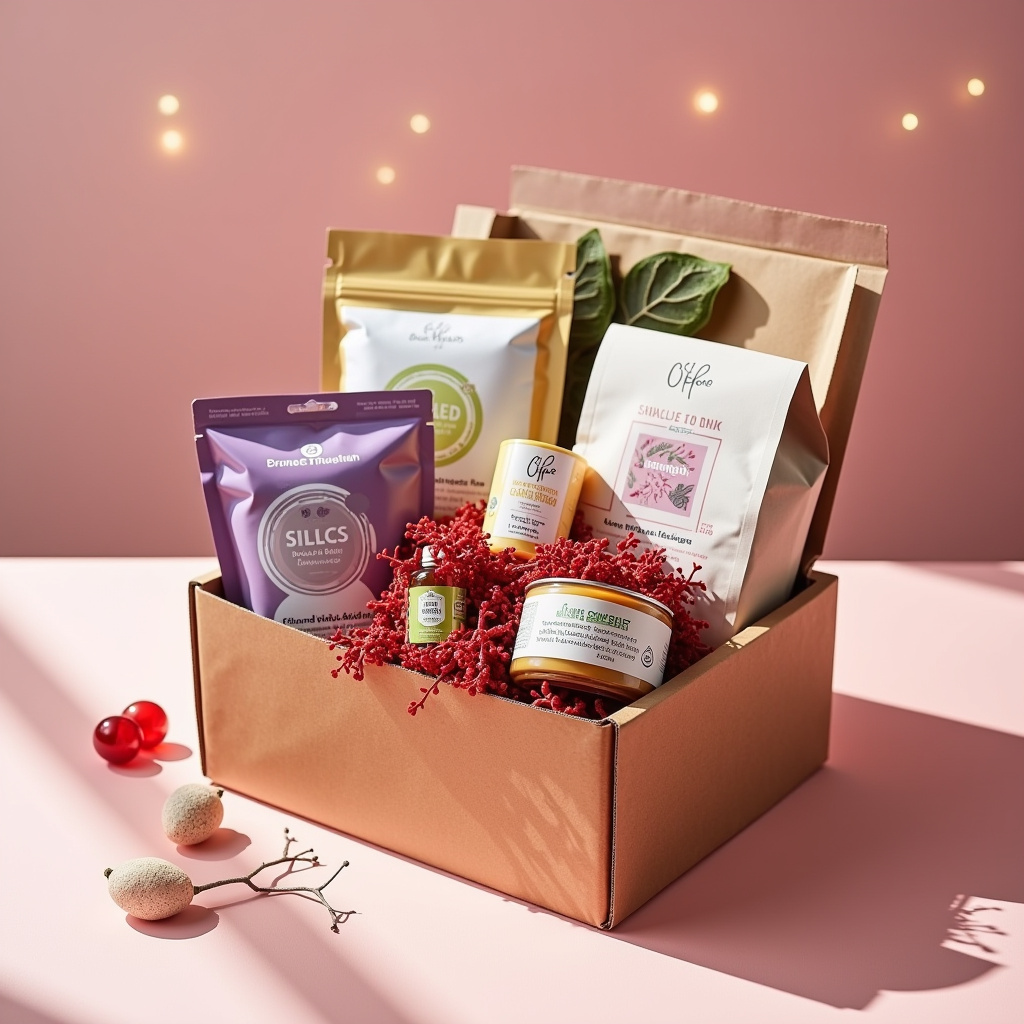
Put it all together! Use crinkle-cut paper shreds (often sold cheaply in craft stores) to cushion the items in your container. Make sure the instructions or theme are visible. If you're struggling for unusual gift ideas for men, sometimes the presentation itself—like using a small toolbox or a vintage tin instead of a basket—is the game-changer.
Common Beginner Mistakes to Avoid
Even the simplest projects have pitfalls. Here are a few things to watch out for when assembling your diy gift kits:
1. Overstuffing the Container
It’s tempting to cram everything in, but kits need breathing room. If items are jammed together, they look messy, and fragile items might break. Aim for quality over quantity. A sparsely filled but beautifully arranged kit looks far more expensive than a crammed one.
2. Forgetting the Instructions
If you create a "DIY Scented Soap Kit," the recipient needs to know the steps! Even if the process is simple, include a small, neat card explaining what to do. This transforms the gift from a pile of ingredients into a true experiential gift idea.
3. Ignoring Shelf Life
If you are making gifts in advance, avoid perishable items unless you plan to deliver them immediately. Fresh baked goods or ingredients that spoil quickly are risky unless you are making them for an event like Thanksgiving dinner where they will be used right away.
Expanding Your Horizons: Advanced Kit Concepts
Once you master the basics, you can get really creative. Consider these ideas for future projects:
- Themed "Subscription Box Gifts" at Home: Create a quarterly theme for a loved one. For example, a "Cozy Winter Reading Box" delivered every December, featuring a new book, hot cocoa mix, and fuzzy socks.
- Gifts for Specific Needs: If you know someone is starting a new fitness journey, create a "Recovery Kit" with Epsom salts, a foam roller, and electrolyte packets. This shows deep consideration.
- Hyper-Local Kits: When visiting friends or family, assemble a "Local Flavor Kit" featuring jams, honey, or coffee beans sourced only from businesses in your shared hometown—a lovely touch for gifts for new homeowners moving to a new area.
Next Steps for Continued Learning
The best way to get better at diy gift kits is to practice! Don't wait for a major holiday. See a sale on nice tea tins? Buy two and immediately brainstorm a "Tea Tasting Kit" and a "Morning Routine Kit."
Keep a running list of potential themes and anchor items throughout the year. This way, when you suddenly need under $25 gift ideas for an unexpected event, you already have the foundational ideas ready to go. Look online for packaging inspiration—Pinterest is a goldmine for seeing how others present their kits attractively.
Conclusion: You Are Now a Thoughtful Gifting Expert
Creating cheap personalized gifts doesn't mean sacrificing quality or thoughtfulness. By embracing the DIY kit format, you’ve unlocked a powerful, budget-friendly way to show people you care. You now have the framework to build anything from a perfect best affordable hostess gifts package to truly unique presents for men who have everything. Go ahead—start assembling your first kit. Your recipients will absolutely love the effort and care you poured into their custom creation!