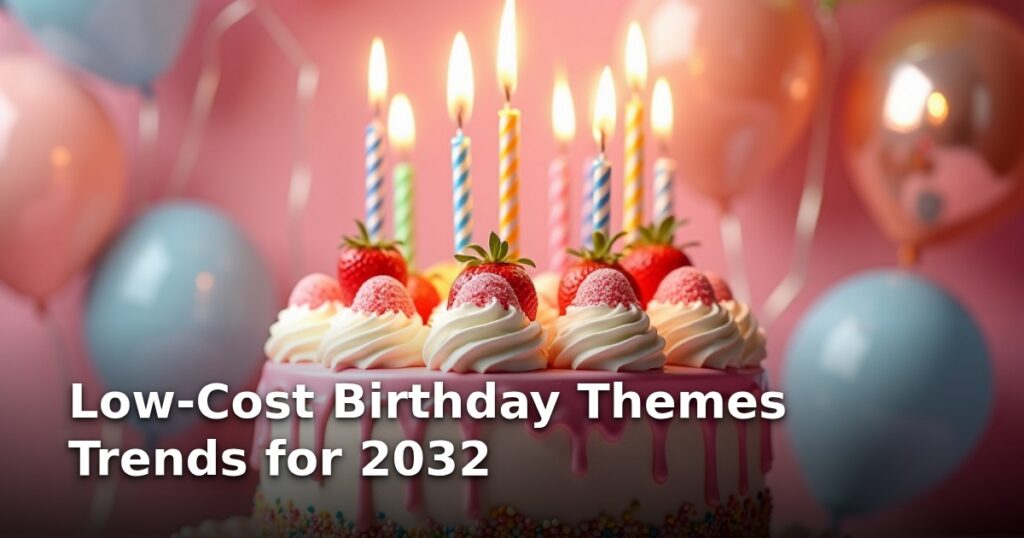
Low-Cost Birthday Themes Trends for 2032: Mastering the Art of the Budget Bash
Let’s face it: throwing a memorable celebration shouldn't require emptying your savings account. As we look ahead to 2032, the demand for creative, high-impact, yet highly affordable celebrations is skyrocketing. Understanding the low-cost birthday themes trends emerging now is key to planning events that feel luxurious without the hefty price tag. Whether you’re planning a milestone birthday, a casual get-together, or even a sophisticated retirement bash, smart planning is the new luxury.
The current economic climate, coupled with a societal shift toward valuing experiences over material excess, means that resourcefulness is the ultimate party currency. This analysis dives deep into the trends shaping affordable celebrations for the next decade, offering strategic insights on how to maximize fun while minimizing expense.
The Current Landscape: Experience Over Extravagance
The party planning world in the early 2030s is characterized by high personalization and digital integration. Gone are the days of generic, store-bought decor dominating every event. Consumers are actively seeking party ideas that reflect niche interests and sustainability values. We see a distinct pivot away from large, expensive venue rentals toward expertly curated, intimate home celebrations. This shift directly fuels the need for innovative, budget-friendly themes.
Furthermore, the accessibility of DIY resources, coupled with the lingering influence of virtual gatherings, means that even small-scale events must offer high engagement. If your party doesn't offer a unique interactive element, it risks feeling flat, regardless of the budget.
Trend 1: Hyper-Niche Nostalgia & "Micro-Eras"
This trend moves beyond broad decade themes (like the '80s) into highly specific, often obscure, cultural moments. Think less "disco" and more "1997 Blockbuster Video Night."
What the Trend Is
Hyper-Niche Nostalgia focuses on celebrating a very specific, often brief, cultural moment that evokes strong, personalized memories. Examples include "Early 2000s Internet Aesthetics," "The Golden Age of Board Game Cafes," or specific, beloved movie soundtracks.
Evidence Supporting It
Social media analytics show increased engagement on platforms like TikTok and Instagram around highly specific "throwback" content, often tied to Gen Z and younger Millennial childhood touchpoints. Furthermore, resale markets for niche memorabilia (like vintage video game cartridges or specific early-2000s fashion pieces) are booming, indicating a willingness to invest small amounts into specific aesthetic components.
Why It’s Emerging Now
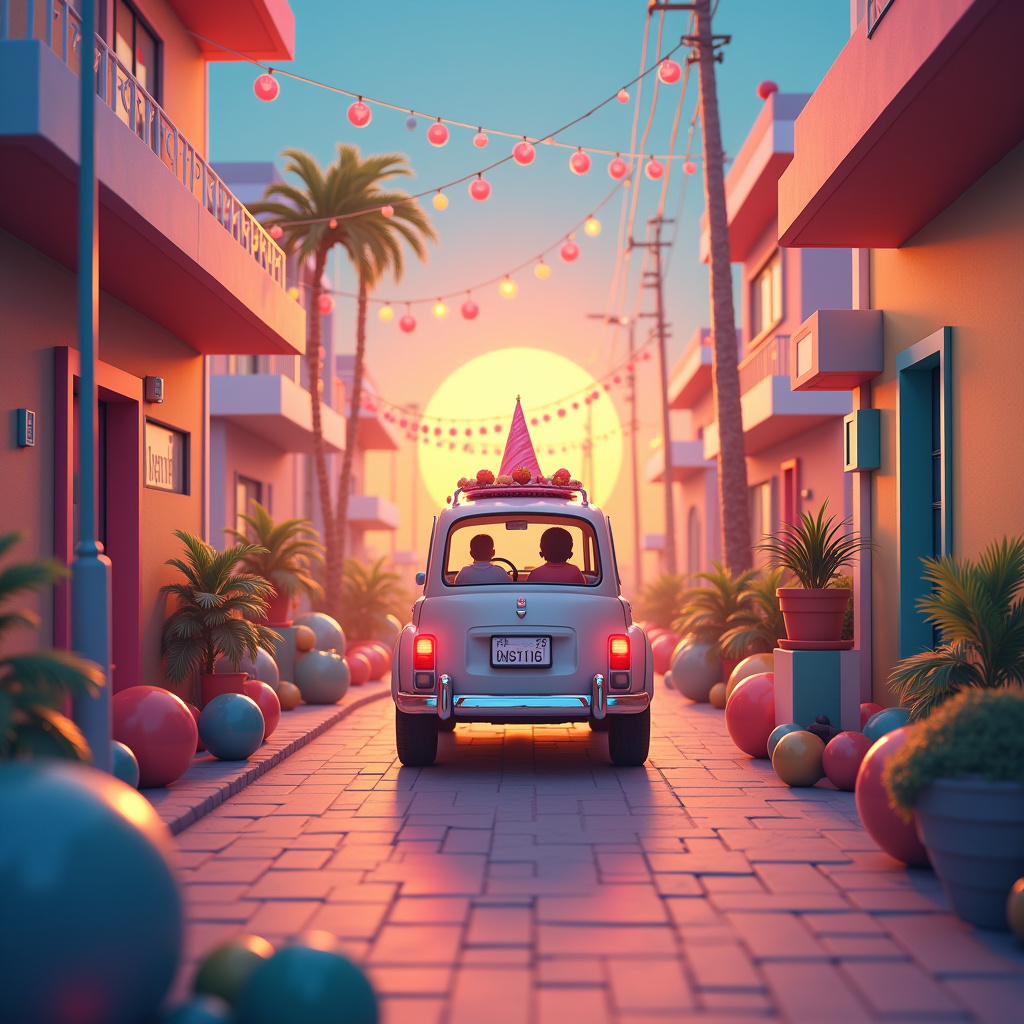
This is a direct response to the saturation of mainstream nostalgia. After years of recycled '80s and '90s themes, people crave something newly rediscovered. It’s also inherently low-cost because the focus shifts from buying new things to creatively repurposing existing items or utilizing digital assets (like curated playlists or projected backgrounds). This works perfectly for teenager party themes at home, where authenticity trumps expense.
Impact and Implications
The implication is that event success hinges on detail, not dollars. A few perfectly placed, inexpensive props referencing a niche theme will land better than generic, expensive decorations. This trend demands creativity in sourcing cheap party decorations, often found in thrift stores or repurposed from household items.
How to Prepare
Start by surveying the guest of honor about their most specific, cherished memories from a particular year or subculture. Develop a mood board based on one or two key visual elements, and build the entire event—from the themed cocktail party menus to the playlist—around those anchors.
Trend 2: The Elevated At-Home Experience (The "Invisible Venue")
As venue costs continue to climb, the focus shifts to transforming the ordinary home space into something extraordinary, often requiring minimal structural change but maximum atmospheric impact.
What the Trend Is
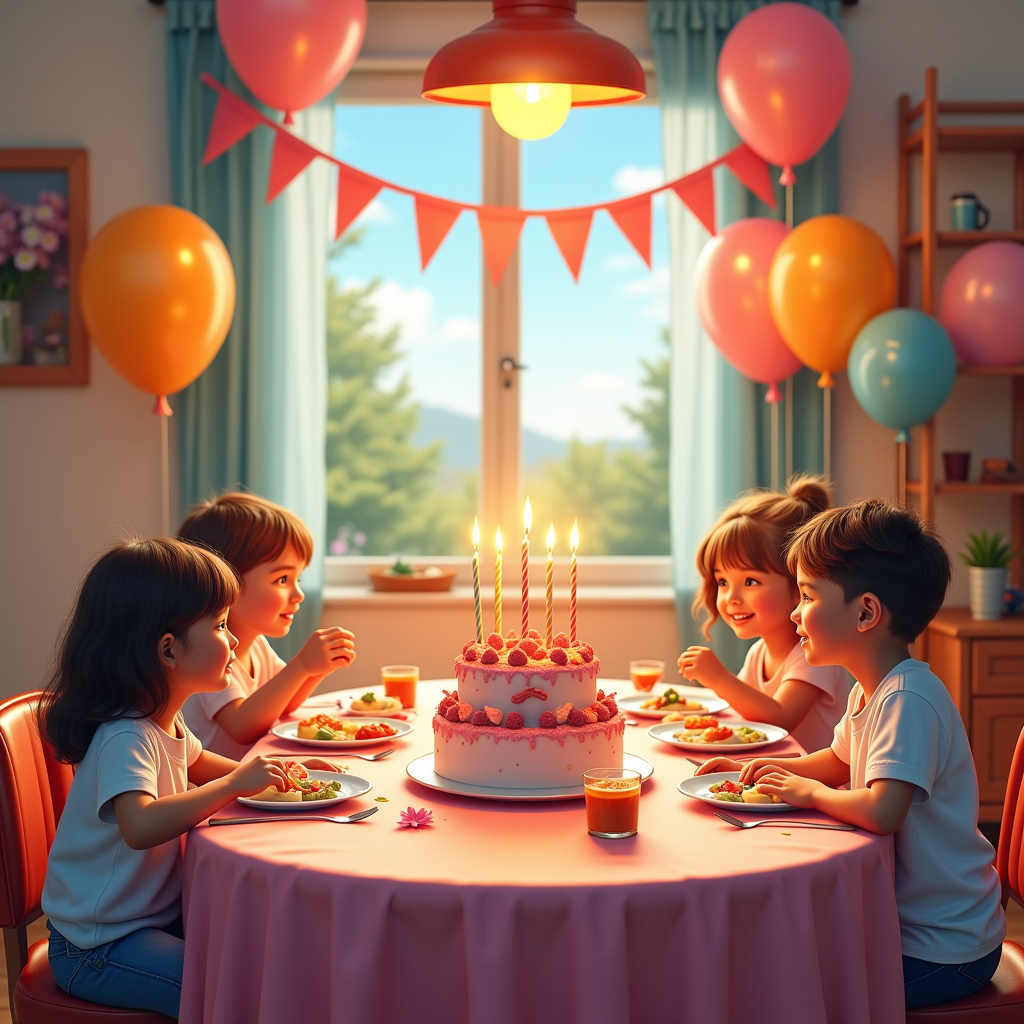
This trend treats the home environment as a blank canvas, utilizing lighting, soundscaping, and strategic furniture placement to mimic a high-end venue. It’s about achieving ambiance without hiring a decorator. This is crucial for everything from small family gatherings to retirement party themes for men who prefer intimacy over a large hall.
Evidence Supporting It
Data from smart home technology providers shows a significant increase in the purchase and use of smart lighting systems designed for ambiance control (e.g., color-changing bulbs, programmable mood settings). Furthermore, searches for "small space party layout ideas" have risen by 40% year-over-year, indicating a practical need for space optimization.
Why It’s Emerging Now
Post-pandemic habits cemented the home as the primary celebration hub. Coupled with high inflation affecting hospitality sectors, guests are more appreciative of a host who puts effort into the feeling of the space, rather than just the scale.
Impact and Implications
The investment moves from catering/venue hire to foundational elements: lighting, textiles, and sound. This necessitates a strong free party planning checklist that prioritizes ambiance setup over vendor management. It also drives demand for activities that require little space, such as sophisticated parlor games.
How to Prepare
Invest in inexpensive sheer drapery to soften harsh light, purchase a few battery-operated LED strip lights for uplighting, and focus heavily on a curated soundtrack. For activities, consider simple yet engaging options like diy party games for adults that rely on storytelling or quick wit rather than physical space.
Trend 3: Interactive Storytelling as Entertainment
Passive entertainment is out; active participation is in. This is particularly true for adult gatherings where guests seek engagement beyond simple mingling.
What the Trend Is
Themes are built around a narrative that requires guest participation to "solve" or "complete." This ranges from highly structured events using commercial kits to entirely improvised home-based scenarios.
Evidence Supporting It
The market for interactive murder mystery party kits has seen double-digit growth globally for three consecutive years. Even virtual events have adapted, with virtual escape rooms remaining highly popular, indicating a sustained appetite for collaborative problem-solving as entertainment.
Why It’s Emerging Now
It bridges the gap between simple socializing and structured entertainment, providing built-in conversation starters and structure for guests who might otherwise feel awkward. It also provides a theme that is inherently immersive, making cheap party decorations easier to justify—they become props for the game!
Impact and Implications
Hosts need to be comfortable facilitating, not just decorating. For formal gatherings, this might mean adopting elegant dinner party themes that integrate a light mystery or a storytelling prompt into the courses. For last-minute needs, a simple "Two Truths and a Lie" game themed around the guest of honor serves the same interactive purpose.
How to Prepare
If budget allows, purchase a quality kit. If not, create a bespoke narrative based on the guest of honor’s life (e.g., "The Case of the Missing Secret Recipe"). Ensure the invitations clearly communicate the required level of participation so guests arrive ready to play.
Emerging Trends to Watch in 2032

As we look slightly further out, two areas show significant potential for affordable innovation:
- Augmented Reality (AR) Theming: While hardware adoption is still catching up, expect themes that rely on guests using their phones to "see" digital decorations or characters overlaid onto the physical party space. This allows for zero physical decor waste and infinite theme changes.
- Hyper-Local Sourcing: Themes built entirely around ingredients or crafts sourced within a 5-mile radius. This taps into sustainability goals while creating unique, localized flavor profiles for themed cocktail party menus or potluck contributions.
Future Predictions: The Rise of the Hybrid Party
The future of affordable celebrations is hybrid. Even if the majority attend in person, a high-quality virtual component will become standard. This is driven by the need to include distant family or friends without incurring massive venue costs.
We predict that successful low-cost birthday themes will be those inherently designed to translate seamlessly. For instance, a "Vintage Movie Night" theme can easily incorporate virtual party game ideas (like a simultaneous online trivia contest) for remote guests, making the overall event feel richer and more inclusive without raising the physical budget ceiling. The last minute party planning guide of 2032 will heavily feature digital integration tools.
Strategic Recommendations for Budget-Savvy Celebrations
To truly master the art of the low-cost celebration moving forward, strategic planning is paramount:
- Prioritize Atmosphere Over Quantity: Spend 70% of your decor budget on lighting and sound; spend 30% on small, theme-specific props. A well-lit room with great music always beats a sparsely decorated large room.
- Leverage Free Tools: Utilize a free party planning checklist that incorporates digital invitations and RSVP tracking to save on printing and administrative overhead.
- Theme the Activity, Not Just the Decor: When budgets are tight, an engaging activity (like a diy party games for adults tournament or a collaborative story structure) provides more memorable value than expensive centerpieces.
- Embrace the Constraints: If you are limited by a small space party layout ideas focus on themes that naturally encourage closeness, like a sophisticated book club gathering or an intimate tasting menu, rather than themes requiring large open areas.
By anticipating these shifts toward hyper-personalization, interactive experiences, and atmosphere-driven design, hosts in 2032 can create celebrations that feel incredibly rich, personal, and—best of all—remarkably affordable.