

4 Connection Mistakes Costing You During Work Stress
Work stress is an inevitable part of modern professional life, often spilling over into our personal relationships. When deadlines loom and pressure mounts, the energy reserves needed for nurturing our most important bonds deplete rapidly. This often leads to unintentional missteps in how we interact with our partners, leading to distance and misunderstanding. If you find your relationship feeling strained when professional demands are high, understanding these common pitfalls is the first step toward staying connected during stressful work periods. Addressing these four common connection mistakes can significantly safeguard your partnership against the strain of demanding careers.
Why Connection Mistakes Happen Under Pressure
It is crucial to approach these issues with empathy, recognizing that making mistakes when stressed is a human tendency, not a personal failing. When we are overwhelmed, our brains revert to survival mode, prioritizing immediate tasks over nuanced relationship maintenance. We often default to familiar, but ineffective, communication patterns learned in childhood or previous difficult experiences. The core problem isn't a lack of love, but a lack of capacity to connect meaningfully when energy is critically low.
Here are four significant connection mistakes that erode intimacy when professional demands peak, and actionable ways to correct them.
Mistake #1: Mistaking Silence for Self-Sufficiency
What the Mistake Is
This mistake involves withdrawing completely when stressed, believing that you need to handle all your work problems in isolation to avoid burdening your partner. You stop sharing details about your day, minimize emotional check-ins, and create an emotional wall around yourself.
Why People Make It
Often, this stems from a desire to protect the partner from worry ("I don't want to bring my negativity home") or a feeling of professional inadequacy ("I need to solve this before I can face them"). It’s a protective measure that backfires spectacularly.
The Consequences
This silence is frequently interpreted by the partner as rejection or disinterest. It directly impacts effective communication in marriage because it starves the relationship of necessary vulnerability. Your partner may start wondering if you are unhappy with them, leading them to question the status quo.
How to Avoid It and What to Do Instead
Instead of complete silence, practice "Low-Demand Check-Ins."
- Avoid: "I’m fine, just busy."
- Do Instead: Offer a brief, honest status update without demanding a solution. Try: "Work is intense this week; I’m feeling overwhelmed by Project X. I don't need you to fix it, but I might need five minutes of quiet decompression when I get home."
This acknowledges the stress while intentionally inviting your partner into your experience at a manageable level for both of you.
Mistake #2: Using the "Blame and Defend" Communication Cycle
What the Mistake Is
When tension rises, conversations quickly devolve into accusations ("You never help with dinner anymore") followed immediately by defensiveness ("Well, you know I had that massive presentation!"). This cycle focuses entirely on assigning fault rather than understanding needs.
Why People Make It
Defensiveness is an automatic response when we feel criticized, especially when we are already running on empty due to work pressure. We perceive our partner’s request as an attack on our already strained capabilities.
The Consequences
This pattern is a clear indication that signs your partner is pulling away might be emerging, as they feel unsafe expressing needs. It creates an adversarial dynamic where both parties are fighting the problem and each other, destroying psychological safety.
How to Avoid It and What to Do Instead
Shift from "You" statements to "I" statements focused on unmet needs.
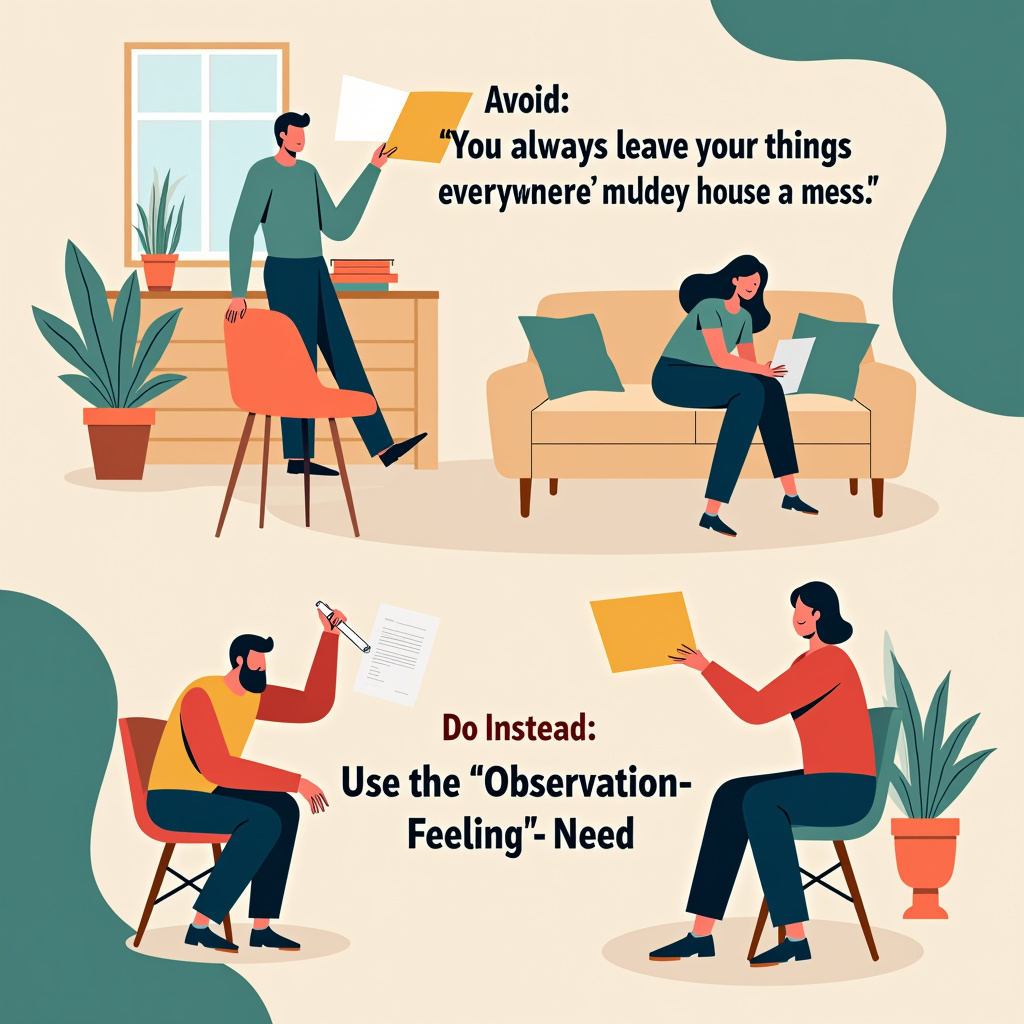
- Avoid: "You always leave your things everywhere, making the house a mess."
- Do Instead: Use the "Observation-Feeling-Need" structure. "I noticed the kitchen counters are cluttered (Observation). I feel anxious when things are disorganized (Feeling). I need us to spend 15 minutes tidying up together before bed (Need)."
This frames the issue as a shared problem requiring a collaborative solution, rather than a personal indictment.
Mistake #3: Neglecting Rituals Due to Perceived Urgency
What the Mistake Is
During high-stress work periods, couples often drop small, meaningful connection rituals—like the morning coffee together, the dedicated 15-minute chat before bed, or date night—labeling them as "non-essential luxuries."
Why People Make It
In the urgency of work, everything not tied to a paycheck or immediate deadline feels expendable. People mistakenly believe they can "make up for it later" when things calm down.
The Consequences
These small rituals are the glue of a relationship; they are the regular deposits into the emotional bank account. When they disappear, partners start feeling unprioritized. This is particularly acute when dealing with external pressures like managing in-law relationship stress; the partner needs to feel like the primary safe harbor, not another item on the to-do list.
How to Avoid It and What to Do Instead
Reframe these rituals as essential maintenance rather than optional extras.
- Actionable Alternative: If you can’t manage a full date night, schedule a "Connection Micro-Dose." This might be five minutes of uninterrupted eye contact and physical touch upon returning home, or texting one specific, positive memory from the past week during lunch. These small investments prevent large deficits later.
Mistake #4: Projecting External Frustrations Internally
What the Mistake Is
This involves taking out the frustration, anger, or unfairness experienced with a demanding boss or difficult client and directing it toward your partner through irritability, shortness, or passive aggression at home.
Why People Make It
The home environment is often the safest place to "let down the mask" worn at work. Unfortunately, this safety is exploited when we lack healthier coping mechanisms for processing external stress.
The Consequences
This behavior creates an environment where your partner feels they must walk on eggshells. It actively sabotages efforts toward staying connected during stressful work periods because your partner begins to associate your presence with potential conflict rather than comfort.
How to Avoid It and What to Do Instead
Implement a "Buffer Zone" ritual before crossing the threshold into your home life.
- Acknowledge the Spillover: Internally state, "The stress from work is bleeding into my home mood."
- Physical Transition: Before entering the house, take three deep breaths in the car or on the porch.
- Verbal Declaration: Upon entering, you might say, "I’m coming in now, and I need a moment to switch gears from work mode to partner mode." This manages expectations and prevents accidental lashing out.
Prevention Strategies: Building Resilience for Busy Seasons
Proactive strategies are essential to ensure these mistakes don't become ingrained habits, especially when looking ahead to future busy times, such as planning for the dating advice for the new year if you are re-entering the dating world or simply resetting relationship goals.
- Schedule "Stress Syncs": Set aside 20 minutes once a week, before a major work crunch hits, specifically to discuss upcoming stressors. This prevents surprises and allows you both to agree on temporary boundaries (e.g., "I will be unavailable Tuesday evening, but I promise Wednesday morning coffee is sacred").
- Establish a "No Problem Solving" Zone: Agree that certain times (like bedtime) are strictly for comfort and connection, not for dissecting complex relationship issues or work crises.
- Prioritize Physical Reconnection: Stress is stored physically. Make sure physical touch—a hug, holding hands while watching TV—is non-negotiable, as it releases oxytocin and physically counteracts the stress hormones driving disconnection.
Conclusion and Encouragement
Navigating high-pressure work environments while maintaining deep, loving relationships is challenging, but entirely achievable. The key is recognizing that connection is not something that happens automatically; it requires intentional maintenance, especially when resources are scarce. By consciously avoiding the pitfalls of silence, blame, ritual neglect, and projection, you create a resilient framework for your partnership. Be patient with yourselves; self-correction is an ongoing practice. By implementing these small, actionable changes, you ensure that even when work demands the most of your energy, your connection remains your unwavering source of strength.

