

5 Connection Mistakes Costing Your Marriage Peace
Building and maintaining a strong, peaceful marriage requires consistent effort, yet many couples unknowingly fall into predictable patterns that erode intimacy and understanding. These connection mistakes often stem not from malice, but from exhaustion, habit, or a lack of tools for navigating inevitable relationship friction. Understanding where we stumble is the first, most crucial step toward fostering effective communication in marriage and securing lasting relational peace. This article explores five common pitfalls that sabotage marital harmony and offers actionable, professional strategies to course-correct.
Why Connection Mistakes Occur
Couples enter marriages with high hopes, but life—with its career demands, financial pressures, and external obligations—often serves as an unintended wedge. Mistakes usually arise when couples default to survival mode rather than intentional partnership mode. We often prioritize the urgent (deadlines, immediate crises) over the important (emotional connection, quality time). Furthermore, many individuals lack formal training in conflict resolution or emotional literacy, leading them to repeat communication patterns learned in childhood, even if those patterns are detrimental to their current relationship goals.
Mistake #1: Mistaking Silence for Peace
One of the most damaging habits is avoiding difficult conversations, believing that if a topic isn't discussed, the problem doesn't exist.
What the Mistake Is
This involves shutting down, withdrawing, or deflecting when tension arises. Couples mistake the absence of immediate conflict for underlying stability.
Why People Make It
Often, this stems from a fear of escalation. If past attempts at discussion led to shouting matches or resentment, silence feels like the safest route to temporary calm. It can also be a symptom of feeling emotionally flooded or overwhelmed.
Consequences and How to Avoid It
The consequence is unprocessed resentment, which acts like a slow poison in the relationship. Small issues fester, leading to a significant emotional disconnect. Instead of silence, practice "soft start-ups."
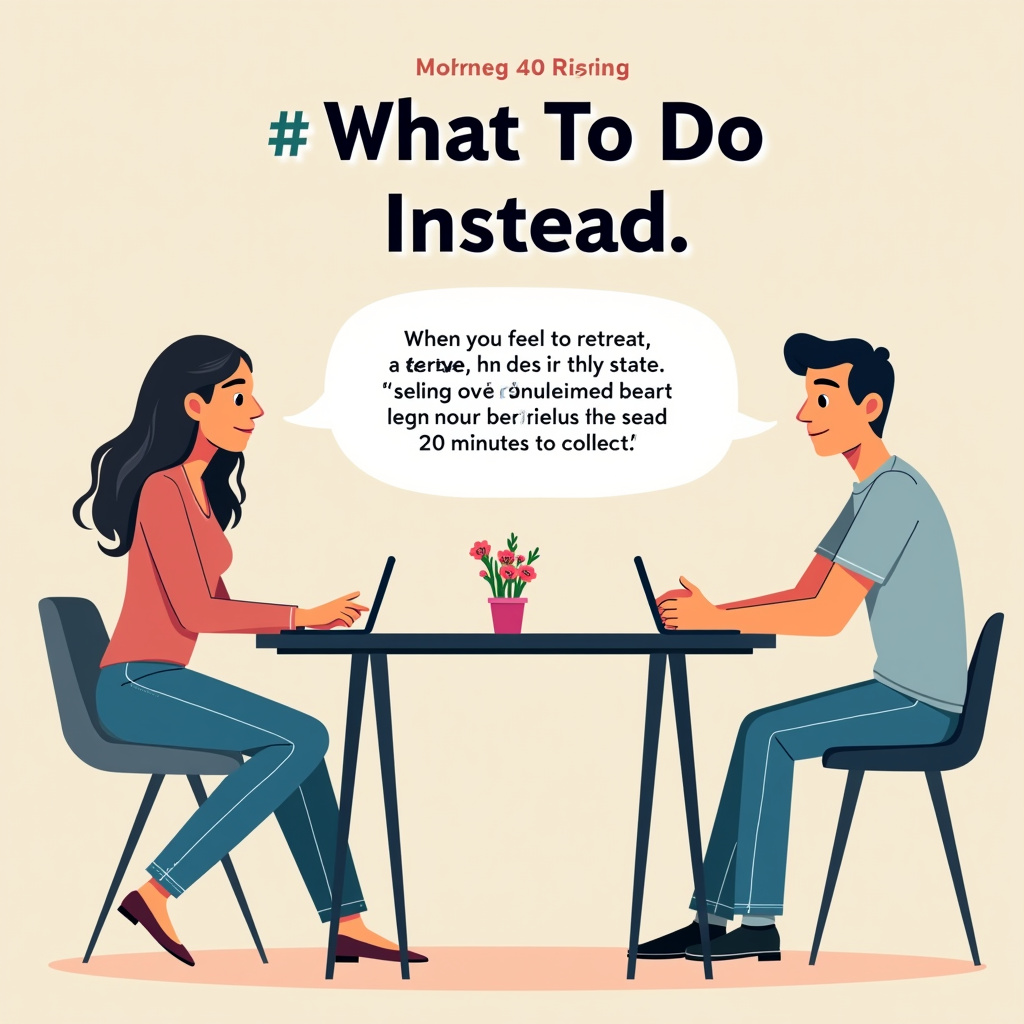
What to Do Instead
When you feel the urge to retreat, pause and label your state. Say, "I am feeling overwhelmed right now and need 20 minutes to collect my thoughts. I promise we will revisit this conversation at 7:30 PM." This validates the issue while respecting the need for regulation.
Mistake #2: Treating Your Partner Like a Roommate
As the novelty of early romance fades and the responsibilities of life mount, many couples slip into purely logistical partnerships, focusing solely on shared calendars and household chores.
What the Mistake Is
This involves reducing interactions to transactional exchanges: "Did you pick up the dry cleaning?" "When is the bill due?" The emotional check-in disappears. This often manifests as signs your partner is pulling away, as they stop feeling seen as a lover or confidant.
Why People Make It
Exhaustion is a major driver. When energy is depleted by work or parenting, it’s easier to delegate tasks than to offer emotional support. It feels more efficient.
Consequences and How to Avoid It
The consequence is a profound sense of loneliness within the marriage. The partner begins to feel unappreciated for who they are, not just what they do. To combat this, schedule deliberate "non-task" time.
What to Do Instead
Implement "The 10-Minute Reconnect." Every day, dedicate ten uninterrupted minutes—no phones, no kids—to ask open-ended questions about their inner world: "What was the most interesting thing you thought about today?" or "What are you most looking forward to this week?" This shifts the focus from logistics back to connection.
Mistake #3: Allowing External Stress to Dictate Internal Climate
External pressures—whether from demanding careers or family obligations—can easily spill over and contaminate the marital sanctuary.
What the Mistake Is
Failing to create boundaries around external stressors, allowing work anxiety or family drama to become the default topic of every conversation. This is particularly relevant when staying connected during stressful work periods.
Why People Make It
Often, partners feel they must "dump" their day's frustrations onto the one person they trust implicitly. They see their spouse as the emotional sponge, rather than a co-pilot who can help manage the load.

Consequences and How to Avoid It
The spouse who is constantly absorbing the stress begins to feel burdened and depleted, rather than supported. They start to dread coming home. A proactive approach involves creating a clear transition ritual.
What to Do Instead
Establish a "Decompression Zone." When one or both partners arrive home from a high-stress environment, agree on a brief ritual to transition out of "work mode." This might involve a five-minute hug, a shared cup of tea away from the computer, or explicitly stating, "I need five minutes to transition before we discuss dinner plans."
Mistake #4: Failing to Manage Extended Family Boundaries
The relationship with in-laws is a perennial source of marital tension, often leading to a breakdown in effective communication in marriage as couples choose sides or avoid confrontation entirely.
What the Mistake Is
Allowing extended family expectations, criticisms, or demands to supersede the unity of the marital partnership. This often involves one spouse failing to support the other when dealing with their own family of origin.
Why People Make It
Many people struggle with managing in-law relationship stress because they fear disappointing their parents or causing an irreversible rupture. They may also be trying to "keep the peace" by placating the in-laws.
Consequences and How to Avoid It
The consequence is that the marriage feels secondary to the extended family unit. The unsupported spouse feels betrayed and isolated within their own partnership. The solution requires presenting a united front.
What to Do Instead
Hold regular, private "Boundary Meetings" about in-laws. Before any holiday or family event, the couple must agree on the boundaries beforehand. If criticism arises, the agreed-upon response should come from the spouse whose family is responsible: "Thank you for your input, Mom, but [Spouse's Name] and I have already decided how we will handle [X]."
Mistake #5: Neglecting Intentional Investment

Assuming that because the marriage survived the chaos of early years or the stress of building a career, it will automatically thrive without sustained attention.
What the Mistake Is
Treating the marriage like a utility that runs automatically, rather than an engine that requires regular refueling and maintenance. This is especially noticeable when couples stop dating each other.
Why People Make It
Life becomes so saturated with external demands (children, mortgages, aging parents) that intentional couple time is the first thing to be dropped. It feels selfish or indulgent when there are a million other chores to do.
Consequences and How to Avoid It
The relationship stagnates, leading to boredom and a search for connection elsewhere—either emotionally or physically. The antidote is scheduling intentional investment, which is excellent dating advice for the new year or any time of year.
What to Do Instead
Schedule non-negotiable "Couple Time." This isn't just watching TV together; it's quality engagement. Try rotating who plans the date, ensuring the planner dedicates time to making it special. For low-energy evenings, commit to a shared activity that requires focus, like learning a new recipe or playing a board game, rather than defaulting to passive screen time.
Prevention Strategies for Lasting Peace
Preventing connection mistakes requires embedding proactive habits into your routine:
- The Daily Check-In: Commit to asking, "How are you really doing?" and being prepared to listen without interrupting or problem-solving immediately.
- Assume Positive Intent: When your partner does something frustrating, pause and ask yourself, "What positive goal might they have been trying to achieve?" This shifts your internal narrative from accusation to curiosity.
- Regular Tune-Ups: Schedule a monthly "State of the Union" meeting (perhaps 60 minutes over coffee, not during a stressful dinner prep) to discuss finances, schedules, and feelings about the relationship itself, before issues become crises.
- Prioritize Self-Care: You cannot pour from an empty cup. Ensuring your own emotional and physical needs are met makes you significantly less reactive when inevitable relationship friction occurs.
Conclusion and Encouragement
Recognizing these five common connection mistakes—silence, transactional living, boundary diffusion, in-law friction, and investment neglect—is not a sign of failure; it is a sign of maturity. Marriage is a dynamic entity that requires constant, conscious calibration. By replacing avoidance with brave conversations, logistics with intimacy, and reaction with intention, you can move beyond surviving the challenges of life together and start consciously building the peaceful, connected partnership you both desire. The effort you invest in these small corrections today will yield profound returns in marital harmony tomorrow.

