

5 Quick In-Law/Work Stress Tips for Connection
Navigating the inevitable pressures of life—whether they stem from demanding careers or complex family dynamics—often places a strain on our most important relationship: our partnership. When external stressors mount, it’s easy to default to distance or conflict with your spouse. However, by implementing proactive, small adjustments, you can significantly bolster your bond. Mastering effective communication in marriage is not just about managing conflict; it's about building resilience together, especially when tackling issues like managing in-law relationship stress or staying connected during stressful work periods. This article offers five actionable tips designed to provide quick wins for maintaining connection when life gets overwhelmingly busy or complicated.
Why These Quick Wins Matter
Stress acts as an insulator, slowly creating distance between partners. These tips are designed to be low-effort, high-impact interventions that interrupt negative cycles immediately. They focus on creating micro-moments of connection that compound over time, preventing minor irritations from escalating into major relationship roadblocks. Think of these as preventative maintenance for your partnership.
Tip 1: The 5-Minute "Decompression Download"
This technique is essential for staying connected during stressful work periods when you both arrive home drained.
Why It Works
When one or both partners have a high-stress day, they often bring that mental residue into the shared space, leading to snap judgments or emotional unavailability. A decompression download creates a designated space to offload the day’s burdens before engaging with your partner.
How to Implement It
Establish a rule: The first five minutes after walking through the door are reserved for venting, not problem-solving. One partner speaks for the first 2.5 minutes, detailing the day’s frustrations (work deadlines, difficult colleagues, etc.). The other partner listens actively without interrupting or offering advice. Then, switch roles.
Expected Results or Benefits
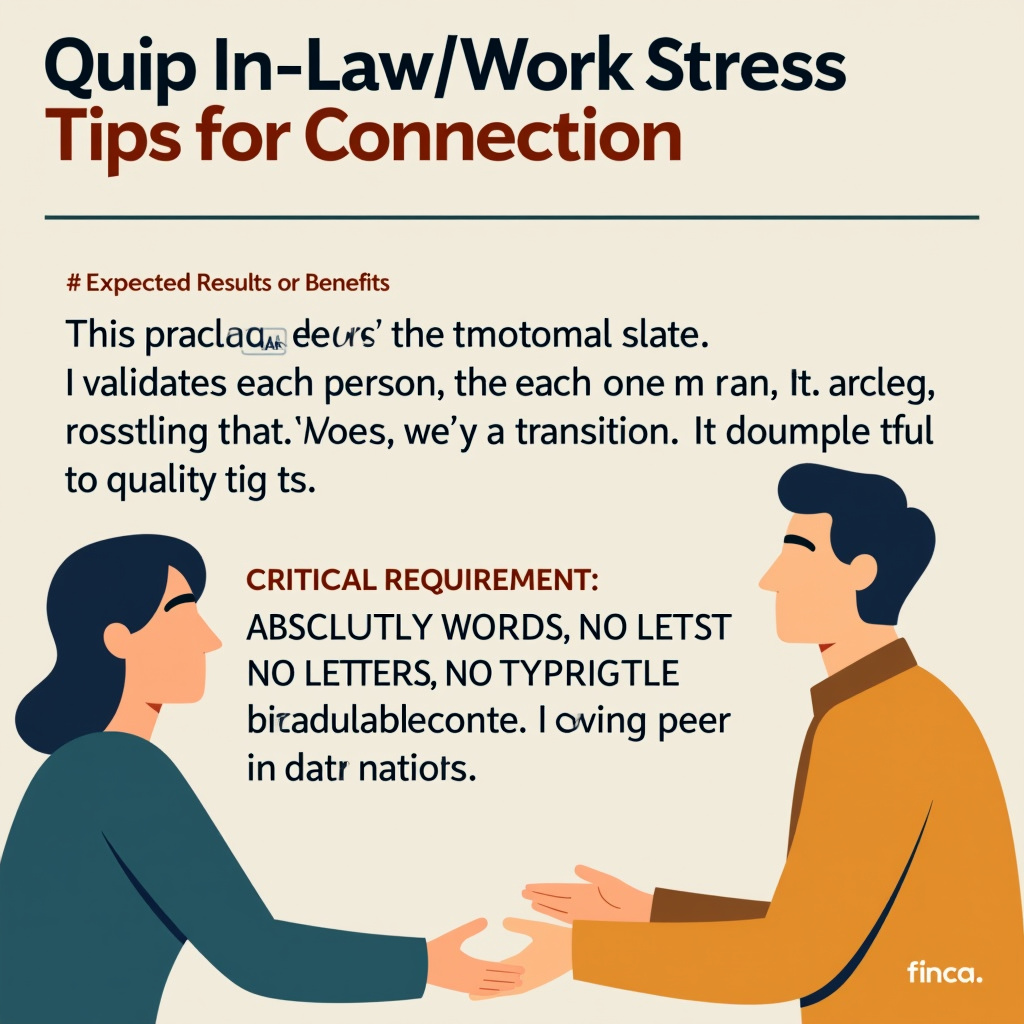
This practice clears the emotional slate. It validates each person's experience, ensuring that when you transition to quality time, you are present with each other, not just physically present while mentally stuck at the office.
Pro Tip
Pair this activity with a physical transition ritual, like setting down your work bag immediately or changing out of your work clothes. This signals to your brain that the "work shift" is officially over.
Tip 2: The "One-Question Check-In" on In-Law Dynamics
When managing in-law relationship stress, avoidance is common, but silence breeds assumptions. This quick tip addresses that head-on.
Why It Works
In-law issues often involve deeply held values and sensitivities. Waiting for the "right time" to discuss them means the underlying tension festers. A structured, low-stakes question opens the door gently.
How to Implement It
Once a week, use this specific format: "On a scale of 1 to 10 (1 being totally fine, 10 being highly stressful), how would you rate the stress level regarding [specific in-law event or dynamic] this week?" Follow up only with, "What is one thing I can do this week to keep that number down?"
Expected Results or Benefits
This moves the conversation from vague annoyance to concrete action. It reinforces that you are a united front against external pressure, strengthening your partnership rather than letting external figures divide you.
Pro Tip
If the score is high (7+), agree to schedule a longer, dedicated problem-solving session later, but use this quick check-in only to acknowledge the current state.
Tip 3: The "Pre-Recharge" Signal
This is a vital tool for effective communication in marriage when you sense emotional fatigue setting in, which often precedes noticing signs your partner is pulling away.
Why It Works
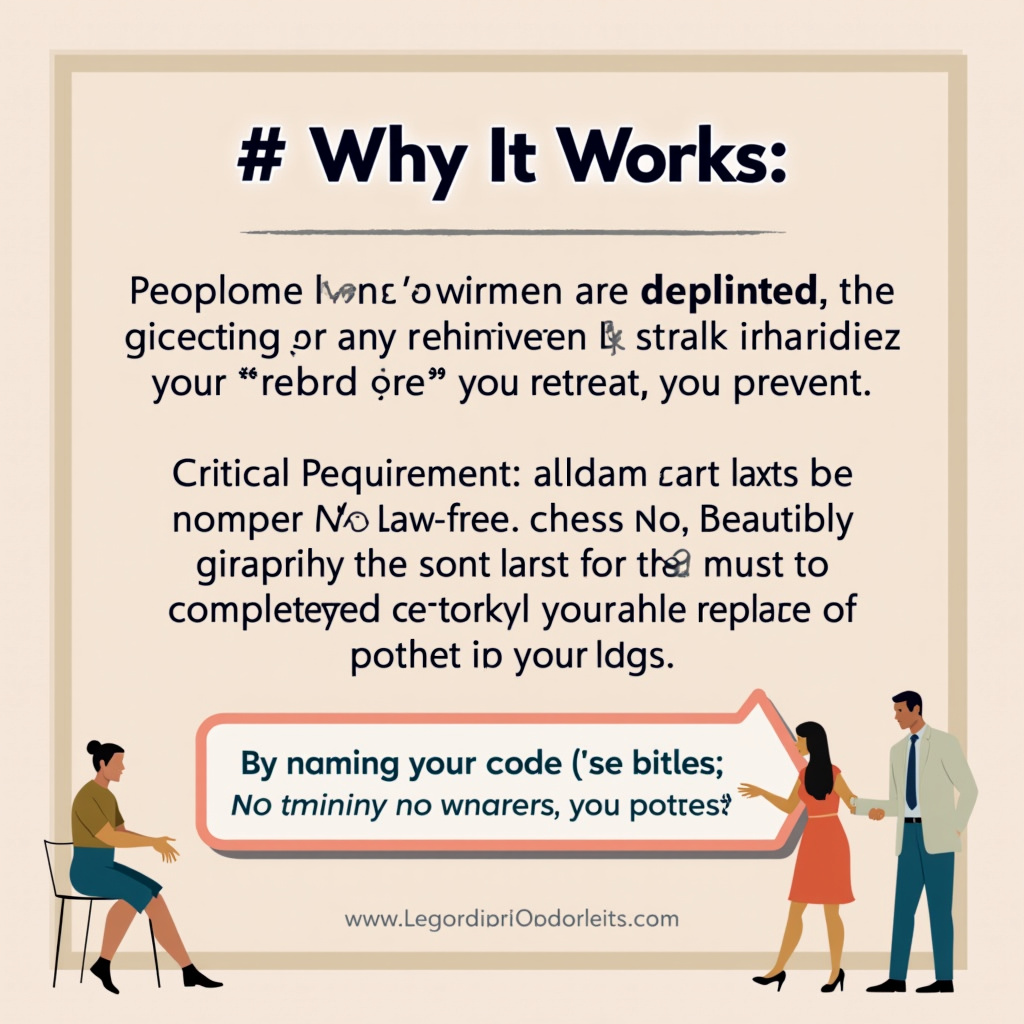
People often withdraw when they are depleted, not because they are angry at their partner. By naming your need before you retreat, you prevent your partner from misinterpreting your need for space as rejection.
How to Implement It
Create a code word or phrase—something neutral like "I need to recharge" or "Low battery"—that signals you are hitting your emotional limit. When you use the signal, you commit to a short, scheduled break (e.g., 30 minutes alone reading or walking) and commit to re-engaging afterward.
Expected Results or Benefits
Your partner learns that withdrawal is temporary and needs-based, not a punishment. This drastically reduces anxiety for the partner who might otherwise feel abandoned or worry about signs your partner is pulling away.
Pro Tip
When you return from your recharge, initiate a positive connection point: a hug, a shared laugh, or asking about their day, thereby closing the loop on the signal.
Tip 4: Scheduling "Micro-Dates" for Future Connection
This tip bridges the gap between surviving the current stress and planning for renewed intimacy, making it excellent dating advice for the new year or any period of heavy obligation.
Why It Works
When time is scarce, scheduling a date feels overwhelming. Micro-dates leverage small pockets of available time to ensure connection remains a priority, even if it’s not a three-hour dinner.
How to Implement It
Identify two or three 15-minute windows in the coming week that are currently unassigned (e.g., waiting for dinner to cook, the 15 minutes before bed). Designate these as "Micro-Dates." The rule: No discussing work, finances, chores, or in-laws. Use prompts like: "What is one thing you are looking forward to next month?" or "Tell me a funny story from your childhood."
Expected Results or Benefits
These short, focused periods of non-logistical conversation rebuild intimacy. They remind both partners that they are still romantic partners, not just co-managers of a household, which is crucial when staying connected during stressful work periods.
Pro Tip
Keep a running list of 10 low-effort micro-date ideas on your phone so you can deploy them instantly when a 15-minute gap appears.
Tip 5: The "Positive Data Point" Broadcast

This is a powerful tool for counteracting the negativity bias that stress often creates in relationships.
Why It Works
Stress makes us hyper-aware of what is going wrong (e.g., dishes left out, late replies). This tip forces you to actively seek and vocalize positive observations, retraining your brain to see your partner’s efforts. This actively combats the signs your partner is pulling away by reinforcing positive engagement.
How to Implement It
Twice a day, send one text or make one verbal comment specifically acknowledging a positive action your partner took, no matter how small. Examples: "Thank you for putting gas in my car this morning; that was incredibly helpful," or "I noticed you handled that call with your mom so calmly; great job."
Expected Results or Benefits
This floods the relationship bank account with deposits. Appreciation is a cornerstone of effective communication in marriage, and proactively broadcasting it shifts the relationship's emotional baseline from critical to supportive.
Pro Tip
If you are struggling to find something positive to say, focus on an effort, not just an outcome. ("I appreciate you trying to organize those files, even though it was confusing.")
Conclusion: Implementing Your Connection Toolkit
These five tips—the Decompression Download, the One-Question Check-In, the Pre-Recharge Signal, Micro-Dates, and the Positive Data Point Broadcast—are designed for immediate impact. Don't try to implement all five perfectly tomorrow.
Your Implementation Guide:
- Choose One: Select the tip that feels easiest to implement right now (often Tip 1 or Tip 5).
- Discuss: Briefly share this article with your partner and agree to try that single tip for the next three days. Frame it as an experiment: "Let’s try this 5-minute download thing this week to see if it helps us both relax faster."
- Review: After three days, check in. Did it help? If yes, keep it. If not, move to the next easiest tip.
By making small, consistent deposits into your connection account, you ensure that even when facing intense pressure from work or family obligations, your partnership remains your strongest source of support.

