
The Ultimate Guide to Reconnecting When Distance Grows
Executive Summary
This comprehensive guide addresses the pervasive challenge of emotional and physical distance within relationships, offering actionable, research-backed strategies for reconnection. We explore the subtle signs your partner is pulling away, detail robust methods for fostering effective communication in marriage, and provide practical frameworks for navigating periods of separation, whether due to geographical distance or demanding schedules. Readers will gain a definitive roadmap for proactively strengthening their bond, understanding that reconnection is an ongoing commitment requiring intentional effort, especially during high-stress times like the holidays or staying connected during stressful work periods.
Table of Contents Preview
- Introduction: Recognizing the Drift
- Fundamentals: Understanding Relational Distance
- Key Components of Reconnection
- Implementation Strategies: From Theory to Practice
- Advanced Strategies for Deepening Intimacy
- Navigating Specific Challenges (Including Holiday Relationship Advice)
- Frequently Asked Questions
- Conclusion and Action Plan
1. Introduction: Recognizing the Drift
In the complexity of modern life, relationships rarely remain static; they either deepen through intentional effort or subtly erode under the weight of external pressures. The feeling that emotional space is growing between partners—often termed relational drift—is a common, yet critical, indicator that intervention is required. This guide serves as the definitive manual for diagnosing the causes of this distance and implementing proven strategies to bridge the gap, ensuring your partnership remains resilient and vibrant.
Understanding how to foster effective communication in marriage is the bedrock of preventing this drift. When partners stop sharing vulnerabilities or fail to actively listen, silence fills the void, often leading to misunderstanding and isolation. Our goal is to equip you with the tools to transform passive coexistence back into active, fulfilling partnership.
2. Fundamentals: Understanding Relational Distance
Relational distance manifests in various forms, ranging from simple lack of quality time to profound emotional detachment. Recognizing the root cause is the first step toward effective reconnection.
2.1 Identifying the Subtle Signs Your Partner Is Pulling Away
Distance rarely announces itself dramatically; it creeps in through subtle behavioral shifts. Awareness of these indicators allows for early intervention before the gap becomes insurmountable.
- Decreased Initiations: They stop initiating conversations about their day, future plans, or intimacy.
- Increased Digital Closeness to Others: Spending significantly more time engrossed in phones or external activities, creating a barrier.
- Emotional Unavailability: When you try to discuss feelings, they offer brief, surface-level responses or seem distracted.
- Reduced Shared Rituals: Skipping established routines, such as morning coffee together or nightly check-ins.
2.2 The Impact of External Stressors

External factors are significant contributors to relational distance. Staying connected during stressful work periods requires preemptive planning, as fatigue and focus shift naturally toward professional demands. Similarly, the pressure cooker environment of the holidays can either unite or divide a couple.
When one or both partners are overwhelmed, the default setting often becomes self-preservation, inadvertently sidelining the relationship. Acknowledging that stress is the cause rather than blaming the partner for the symptom is vital for compassionate reconnection.
3. Key Components of Reconnection
Reconnection is built upon three pillars: vulnerability, intentionality, and quality attention. These elements form the foundation for repairing any distance that has accumulated.
3.1 Mastering Effective Communication in Marriage
Communication is more than just talking; it is about creating a safe space for mutual understanding. This requires shifting from reactive defense to proactive empathy.
Active Listening Techniques
True listening involves setting aside your own rebuttal to fully absorb your partner’s message. Techniques include:
- Paraphrasing: "What I hear you saying is that you feel overwhelmed by the current workload."
- Validating Feelings: "It makes perfect sense that you would feel frustrated under those circumstances."
- Asking Clarifying Questions: "Can you tell me more about how that specific event made you feel?"
Using "I" Statements
To avoid accusations that trigger defensiveness, structure feedback around your own experience. Instead of, "You never help around the house," try, "I feel unsupported when the chores pile up, and I would appreciate it if we could revisit our division of labor."
3.2 Rebuilding Shared Meaning and Rituals
Distance often grows when partners stop creating shared memories or relying on established routines that signal commitment. Reintroducing small, predictable rituals creates emotional anchors.
- The 10-Minute Connection: Dedicate the first 10 minutes after returning home (or the last 10 minutes before bed) exclusively to each other, phones off. This signals that the partner is the priority.
- Future Pacing: Regularly discuss small, medium, and long-term goals together. This reinforces that you are still building a life collaboratively.
4. Implementation Strategies: From Theory to Practice
Putting theory into practice demands structure and consistency, especially when navigating challenging times like the end-of-year rush.
4.1 Scheduling Intentional Time

In busy lives, if quality time isn't scheduled, it rarely happens. Treating connection time with the same seriousness as a professional commitment is crucial for staying connected during stressful work periods.
Scenario Example: Mark and Sarah both faced intense Q4 deadlines. They realized they hadn't had a meaningful conversation in weeks. They implemented a mandatory "No Distraction Date Night" every other Wednesday, scheduling it in their shared digital calendar six weeks in advance.
4.2 Navigating Emotional Landmines
When reconnecting after a period of distance, difficult conversations are inevitable. Approach these discussions with a strategy aimed at understanding, not winning.
- Set the Stage: Never initiate a heavy conversation when tired, hungry, or rushed. Agree on a time when both partners are calm and have at least 30 uninterrupted minutes.
- Focus on Behavior, Not Character: Address specific actions ("When you cancelled dinner last night…") rather than sweeping judgments ("You are always unreliable…").
5. Advanced Strategies for Deepening Intimacy
Once basic communication is restored, advanced techniques focus on deepening emotional intimacy and navigating potential pitfalls like holiday stress.
5.1 Understanding Love Languages and Repair Attempts
Familiarity with the Five Love Languages helps partners express care in ways the other genuinely receives it. If one partner feels neglected, they might be craving Acts of Service while the other is offering Words of Affirmation—a classic mismatch.
Repair attempts are small gestures intended to de-escalate tension during conflict. Recognizing and accepting a partner’s repair attempt (e.g., a gentle touch, a humorous comment) is essential for preventing minor disagreements from solidifying into distance.
5.2 Specialized Holiday Relationship Advice
The holidays are often portrayed as idyllic, but they frequently exacerbate underlying relational stress due to financial pressure, family obligations, and heightened expectations.
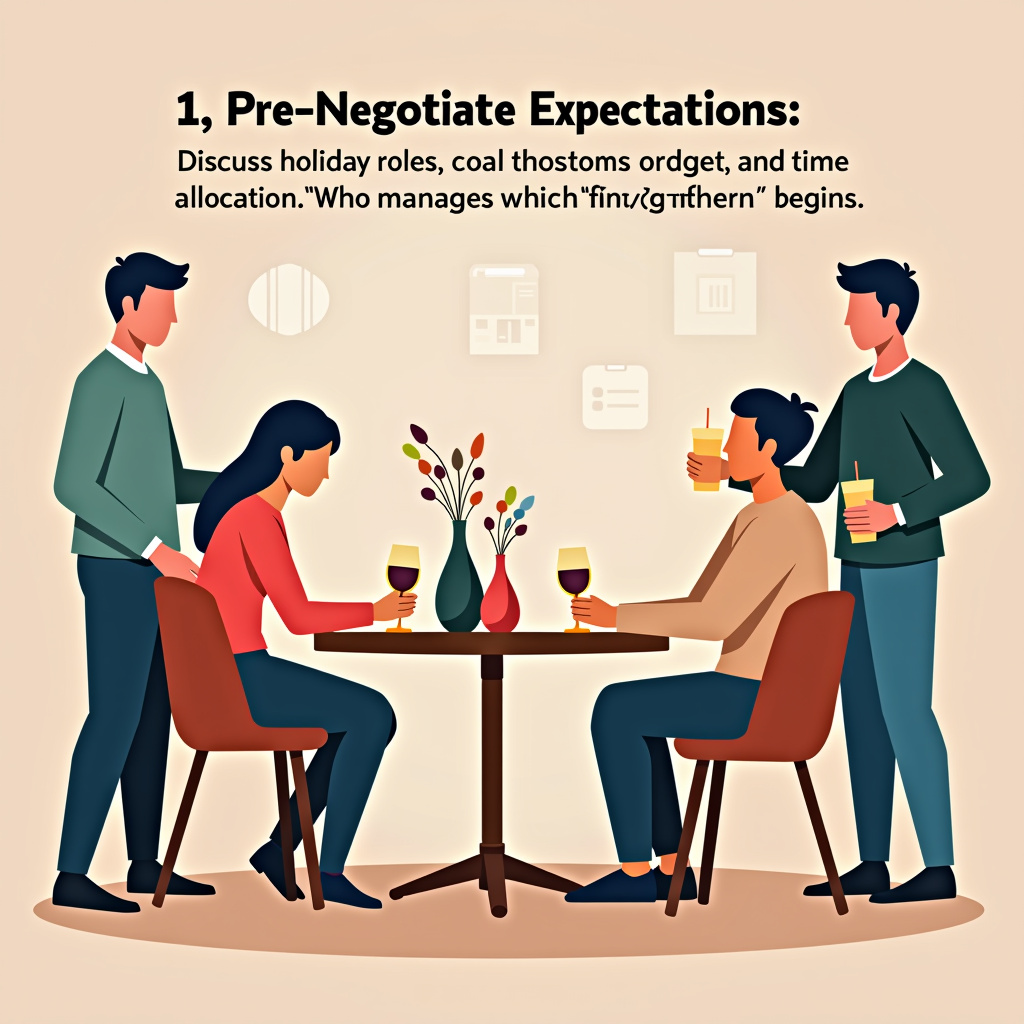
- Pre-Negotiate Expectations: Discuss holiday roles, budget, and time allocation before December begins. Who manages which family gatherings?
- Create a "Couple Bubble": Schedule mandatory downtime where external pressures (family, shopping) are completely off-limits. This protects the core relationship during high-demand seasons.
- Acknowledge Stressors: Instead of ignoring the tension, acknowledge it: "I know this week is hectic, but I want to check in—how are you truly feeling about everything?"
6. Common Questions and Answers (FAQs)
Q: How long should it take to feel reconnected after a period of distance?
A: There is no fixed timeline. Deep emotional reconnection often requires consistent effort over several weeks or months. Focus on the quality of the daily interactions rather than measuring progress against an arbitrary deadline. Consistency trumps intensity.
Q: What if I notice the signs your partner is pulling away, but they deny anything is wrong?
A: If denial persists, shift your focus from trying to "fix" them to clearly articulating your own needs and feelings using "I" statements. For example: "I feel lonely when we don't share details about our day. I need us to commit to 15 minutes of dedicated sharing time tonight." If the pattern continues despite your clear communication, professional counseling may be necessary to address potential underlying issues.
Q: How can we ensure we are staying connected during stressful work periods without adding more pressure?
A: Lower the bar for connection. During intense periods, prioritize presence over activity. A 5-minute hug when arriving home, a shared cup of tea in silence, or a quick, appreciative text message replaces the need for elaborate dates, signaling, "I see you, and I care."
7. Tools and Resources
To support your reconnection journey, consider leveraging external support structures:
- Couples Therapy/Coaching: A neutral third party can illuminate entrenched negative communication patterns that partners cannot see themselves.
- Relationship Books: Resources focusing on attachment theory or specific communication models (e.g., Gottman Method) offer structured exercises.
- Shared Journals: A low-pressure way to share thoughts without requiring immediate response, fostering emotional intimacy gradually.
8. Conclusion and Action Plan
Reconnecting when distance grows is not about returning to a past state; it is about building a stronger, more resilient present connection based on mutual understanding and proactive effort. The key takeaway from this guide is that emotional distance is often a symptom of unmet needs communicated poorly, or not at all.
By diligently applying frameworks for effective communication in marriage, recognizing the subtle signs your partner is pulling away, and scheduling intentional time—even amidst the pressures requiring staying connected during stressful work periods or navigating holiday relationship advice—you can successfully bridge the gap.
Your Immediate Action Plan:
- Self-Assessment (24 Hours): Identify one subtle sign of distance you have noticed recently.
- Schedule a Check-In (48 Hours): Propose a 20-minute, distraction-free conversation dedicated solely to how each partner is feeling about the relationship status quo.
- Implement One Ritual (This Week): Choose one small, shared ritual (e.g., a nightly hug or a weekend planning session) and commit to it for the next two weeks without fail.