
Effective Communication in Marriage 101: A Starter Guide
Welcome! If you are seeking ways to strengthen your partnership, you've landed in the right place. Navigating the complexities of married life requires intentional effort, and at the heart of every strong union is effective communication in marriage. This guide is designed specifically for beginners—couples or individuals who feel like they are starting from scratch or simply need a foundational refresher on how to truly connect with their spouse. We will break down the core concepts into simple, actionable steps, ensuring you have the tools to build a more resilient and loving relationship starting today.
What is Effective Communication in Marriage?
At its simplest, effective communication in marriage is the ability for both partners to share their thoughts, feelings, needs, and concerns clearly, while also ensuring the other person feels genuinely heard and understood. Think of communication like a two-way street, not a monologue. It involves much more than just talking; it heavily relies on listening.
This isn't about avoiding conflict entirely. Conflict is normal. Effective communication is about how you navigate those disagreements so that they lead to resolution and deeper understanding, rather than resentment or distance. It’s the difference between shouting across a canyon and building a sturdy bridge between two sides.
Why This Matters for Beginners
For those just starting to focus on this area, the benefits of prioritizing good communication are profound. When communication is poor, small issues can balloon into major problems because misunderstandings fester.
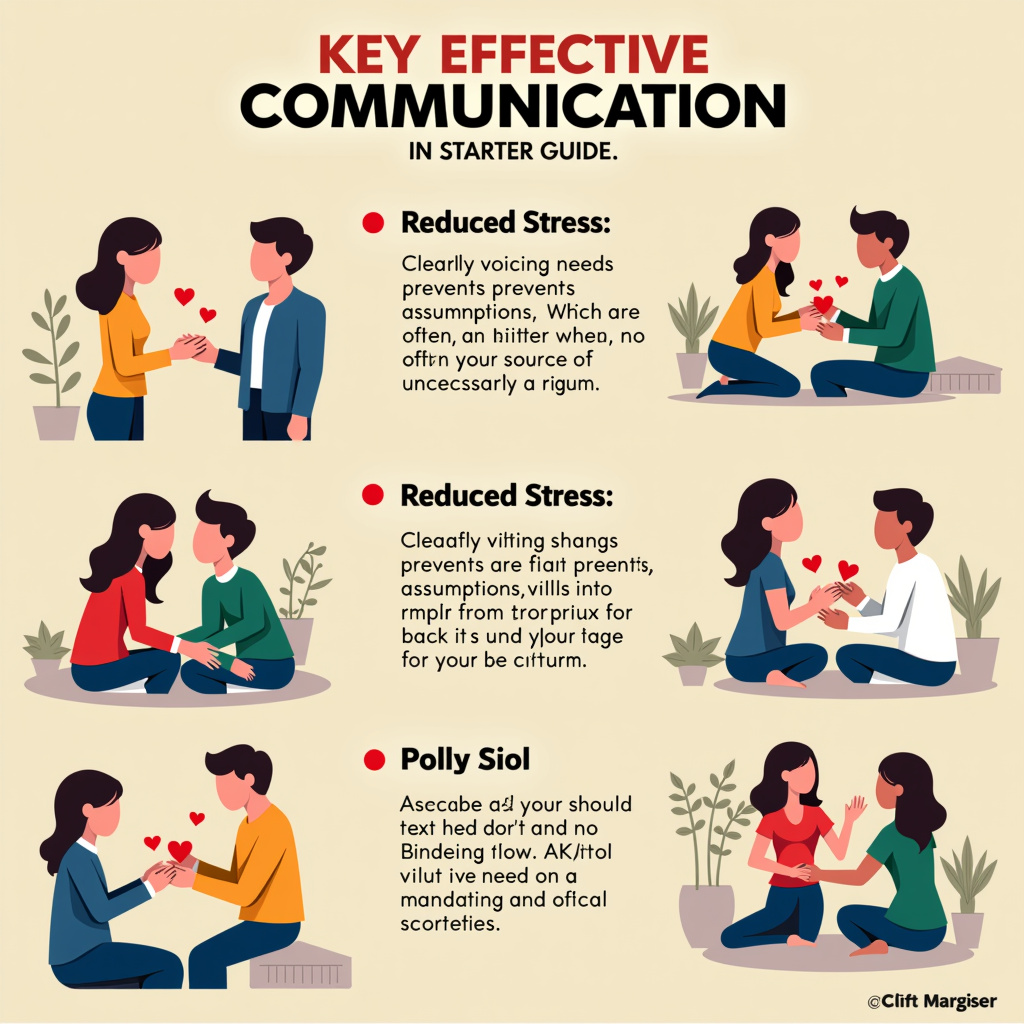
Key Benefits for Your Marriage:
- Reduced Stress: Clearly voicing needs prevents assumptions, which are often the source of unnecessary arguments.
- Increased Intimacy: Feeling truly understood by your partner builds emotional closeness and trust.
- Better Problem Solving: When you communicate well, tackling external stressors—like finances or managing in-law relationship stress—becomes a team effort rather than a point of contention.
- Early Warning System: Open dialogue allows you to spot potential issues before they become crises, such as recognizing the signs your partner is pulling away.
Essential Terminology Explained
To master this skill, let’s clarify a few fundamental terms that you will hear frequently in relationship discussions:
1. Active Listening
This is perhaps the most crucial skill. Active listening means focusing entirely on what your partner is saying, both verbally and non-verbally. It involves putting down your phone, making eye contact, and resisting the urge to formulate your rebuttal while they are still speaking. A simple technique is reflective listening: repeating back what you heard to confirm understanding ("So, what I hear you saying is that you feel overwhelmed by the weekend chores, is that right?").
2. "I" Statements
This technique shifts the focus from blaming the other person to expressing your own experience. Instead of saying, "You never help me clean the kitchen" (which sounds accusatory), use an "I" statement: "I feel stressed when the kitchen is messy because it makes me feel like I’m carrying the entire load." This invites empathy rather than defensiveness.
3. Validation
Validation doesn't mean you agree with your partner’s point of view; it means you acknowledge that their feelings are real and understandable to them. For example, if your partner is upset about something you consider minor, you can validate by saying, "I can see why that situation made you feel frustrated."
Getting Started: Your First Communication Steps
You don't need grand gestures to start improving communication; you need small, consistent habits. Here are three practical steps to implement immediately.
Step 1: Schedule Dedicated Connection Time
In our busy modern lives, connection rarely happens by accident. You must make it intentional. Start by scheduling 15 minutes daily—perhaps after dinner or before bed—where phones are banned. This is non-negotiable time just for checking in. Use this time to discuss low-stakes topics, not bill payments or scheduling crises. This consistent check-in is vital for staying connected during stressful work periods.

Step 2: Practice the "Three-Question Rule"
When your partner shares something, practice asking three clarifying, open-ended questions before offering your own opinion or solution.
- Example: Partner says, "I had a terrible day at work."
- "Oh no, what was the hardest part?"
- "How did that situation make you feel?"
- "What do you need from me right now—a listening ear or advice?"
This practice forces you to prioritize their experience over your impulse to fix things immediately.
Step 3: Use Positive Framing for Requests
When you need something, frame it as a positive request rather than a negative complaint. Instead of focusing on what is currently wrong, focus on the desired future state.
- Instead of: "Stop leaving your shoes everywhere."
- Try: "I would really appreciate it if we could keep shoes in the closet when we come inside, as it helps me feel calmer when I walk in the door."
Common Beginner Mistakes to Avoid
Starting this journey often comes with predictable pitfalls. Being aware of these can help you course-correct quickly.
Mistake 1: The "Kitchen Sinking" Argument
This happens when you bring up every past grievance during a current disagreement. If you are arguing about who forgot to take out the trash, do not bring up that argument from six months ago about leaving the car lights on. Stick to the topic at hand to ensure resolution.

Mistake 2: Assuming You Know Their Feelings
Never assume you know why your partner is acting a certain way or what they are feeling. Humans are complex. If you notice a change in mood, address it gently: "I’ve noticed you seem quieter lately. Is everything okay?" Don't fill in the blanks yourself.
Mistake 3: Neglecting Relationship Maintenance Outside of Crisis
Many couples only communicate deeply when there is a problem (e.g., financial trouble, family disagreements). This creates a pattern where communication feels inherently negative. To counteract this, couples need to intentionally inject positive communication, perhaps by incorporating fun dating advice for the new year—planning regular, enjoyable activities that build shared positive memories.
Next Steps for Growth
Once you feel comfortable with active listening and "I" statements, you can move toward more advanced relationship skills.
- Explore Conflict Styles: Read basic information about healthy conflict resolution models. Understanding if you are an avoider or an engager can help you meet in the middle.
- Seek External Support (If Needed): If you find yourselves stuck in negative cycles—where every attempt at communication devolves into a fight—consider seeing a licensed marriage counselor. They are experts at teaching these foundational skills in a neutral environment.
- Focus on Appreciation: Make it a goal to offer your partner at least one genuine compliment or expression of gratitude daily. Positive reinforcement builds the emotional goodwill needed to weather inevitable tough conversations.
Conclusion
Learning effective communication in marriage is not a destination; it’s a continuous practice, much like learning a musical instrument. As beginners, the most important thing is to commit to showing up for the practice sessions—those daily moments of connection. Be patient with yourselves and with your partner. By focusing on listening, validating feelings, and expressing needs clearly, you are laying the strongest possible foundation for a lasting, fulfilling partnership, regardless of the external pressures you face, from work stress to family dynamics. Start small today, and watch the quality of your connection grow.