
Pro Tips: How to Decode Pulling Away Better
Recognizing and addressing relationship distance early is crucial for long-term partnership health. Understanding the subtle, and sometimes not-so-subtle, signs your partner is pulling away allows couples to proactively reinforce their bond rather than reacting to crises later. Whether you are navigating the intensity of holiday relationship advice scenarios or simply trying to maintain closeness during demanding phases, decoding these shifts requires intentional observation and strategic response. This guide offers professional, actionable tips designed to help you interpret these signals and reconnect effectively.
Quick-Win Tips: Immediate Connection Boosters
These foundational tips are easy to implement immediately and focus on restoring baseline connection.
1. Implement the "Five-Minute Re-Entry Ritual"
Why It Works: Transitions—coming home from work, finishing a major task—often leave partners feeling disconnected. A dedicated re-entry ritual signals that the transition is complete and focus is shifting back to the partnership.
How to Implement It: Designate the first five minutes after a significant separation (e.g., after work, after handling a major errand) as a device-free, dedicated check-in. Ask a specific, open-ended question about their experience rather than their schedule (e.g., "What was the most surprising thing that happened today?" instead of "How was work?").
Expected Results: Reduces ambient stress carried over from external environments and creates a predictable moment of emotional safety.
Pro Tip: If you are staying connected during stressful work periods, ensure this ritual happens even if it’s delayed by 30 minutes. The consistency matters more than perfect timing.
2. Schedule "Micro-Dates" Weekly
Why It Works: When partners are busy, long dates feel like another chore. Micro-dates are low-pressure, short bursts of shared joy or focused attention that keep the emotional connection lubricated.
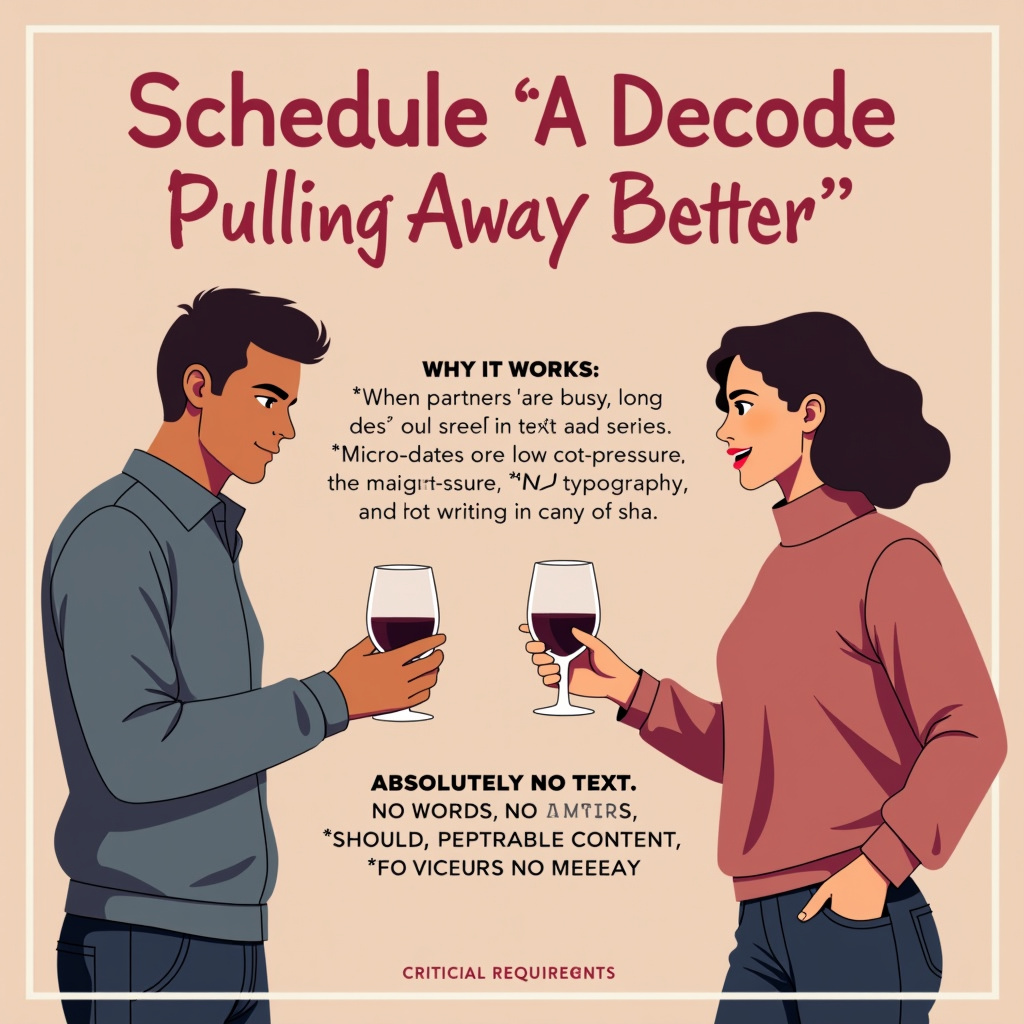
How to Implement It: Once a week, commit to 15 minutes of something purely enjoyable together—no logistics, no deep discussions about bills or schedules. This could be playing one round of a favorite game, listening to a shared album, or making coffee together without distractions.
Expected Results: Maintains positive sentiment override, making it easier to navigate inevitable conflicts when they arise.
Impact Tips: Addressing Deeper Disconnects
These strategies require slightly more intention but yield significant results in improving clarity and reducing ambiguity about relational status.
3. Use "I Notice" Statements for Observation
Why It Works: When a partner is pulling away, direct confrontation often leads to defensiveness. "I notice" statements focus on observable behavior without assigning motive, opening the door for dialogue. This is essential for effective communication in marriage.
How to Implement It: Instead of saying, "You never want to talk anymore," try: "I notice we haven't sat down for a real conversation all week, and I miss connecting with you. Is everything okay on your end?"
Expected Results: Shifts the conversation from accusation to shared observation, making it safer for the partner to admit they are overwhelmed or withdrawing for reasons unrelated to the relationship itself.
4. Create a De-Stress Protocol for External Pressures
Why It Works: External stressors—like managing in-law relationship stress or intense professional deadlines—are often the hidden culprit behind relational distance. A pre-agreed protocol ensures the relationship is protected before the stress peaks.
How to Implement It: Sit down during a calm period and define what "high stress" looks like for both of you. Agree on a temporary suspension of certain demands (e.g., "When I say 'Code Red,' please hold off on asking me about household projects for 48 hours") and agree on a specific reconnection activity once the crisis passes.

Expected Results: You differentiate between stress-induced distance and actual relationship dissatisfaction, preventing temporary withdrawal from being misread as permanent detachment.
Pro Tip: This protocol is invaluable when planning for the holiday relationship advice season, where external demands multiply rapidly.
Advanced or Pro-Level Tips: Decoding the Subtext
These tips move beyond surface behaviors to explore the underlying emotional landscape, crucial for sustained intimacy.
5. Map the "Withdrawal Footprint"
Why It Works: When someone pulls away, they often change how they engage across several domains simultaneously. Identifying the pattern (the footprint) helps you pinpoint the source of the withdrawal.
How to Implement It: Systematically track the changes. Are they pulling away from:
- Physical Affection: Less initiating touch?
- Emotional Sharing: Less discussion of dreams/fears?
- Shared Activities: Declining invitations to joint hobbies?
- Future Planning: Avoiding discussions about next month or next year?
Expected Results: If the withdrawal is purely emotional (2), the conversation needs to focus on intimacy. If it’s activity-based (3 & 4), it might signal burnout or a need for individual space, not necessarily relational failure. This clarity is excellent dating advice for the new year as you set intentions.
6. Validate the Need for Space Before Re-Engaging
Why It Works: A common mistake when noticing a partner pulling away is immediately trying to fill the void with questions or demands for closeness. This often feels suffocating to the withdrawing partner. Validation creates the safety needed for them to re-emerge willingly.

How to Implement It: When you sense distance, use validation language: "I sense you need a bit of quiet time right now, and I respect that. I’m going to give you some space, but I want you to know I’m here when you’re ready to talk. No pressure."
Expected Results: Paradoxically, offering space often shortens the withdrawal period. The partner feels seen and understood rather than pursued, making them more likely to initiate connection when their needs are met.
Bonus Tips: Navigating Specific Scenarios
7. Use the "Future Self" Check-In
When you feel the urge to react negatively to perceived distance, pause and ask: "What would my future self, one year from now, wish I had done in this exact moment?" This forces a shift from reactive anxiety to strategic patience. This is especially helpful when staying connected during stressful work periods, where short-term irritation can damage long-term trust.
8. Define Connection Metrics During Downtime
For established couples, especially those dealing with managing in-law relationship stress during the holidays, clarify what "connected enough" means before the stress hits. Is it two deep conversations a week? Holding hands for 10 minutes daily? Agreeing on these measurable metrics prevents vague feelings of distance from escalating into arguments.
Conclusion: From Decoding to Deciding
Decoding the signs your partner is pulling away is not about catching a problem; it is about understanding fluctuating relationship needs. The most successful couples don't avoid distance; they develop reliable, low-stakes methods for navigating it. Start today by implementing the Five-Minute Re-Entry Ritual and practicing "I Notice" statements. By prioritizing clarity over assumption, you build a resilient partnership capable of handling the inevitable ebbs and flows of life, ensuring that even during intense times like the holidays or demanding work cycles, your foundation remains strong.