

Staying Connected 101: Surviving Work Stress
Welcome to the essential guide designed to help you navigate the often-turbulent waters of balancing demanding careers with healthy personal relationships. When work pressure mounts, it's easy to let the most important connections slip. This guide focuses on practical, foundational strategies for staying connected during stressful work periods, ensuring that professional success doesn't come at the cost of personal happiness. We will break down complex relationship dynamics into simple, actionable steps, making this topic accessible even if you’ve never thought about relationship maintenance before.
What is Relationship Maintenance? (The Basics)
In simple terms, relationship maintenance is everything you do, consciously or unconsciously, to keep a relationship functioning well over time. Think of your relationship like a garden. When things are easy, the garden thrives on its own. However, when a stressful period—like a major work project or a family crisis—hits, the garden needs active watering, weeding, and pruning to survive.
Relationship maintenance isn't just about fixing problems; it’s about proactive care. It involves small, consistent efforts that build resilience, so when big stressors arrive, your foundation is strong enough to handle the strain. This foundation is crucial for everything from your partnership to broader family dynamics.
Why This Matters for Beginners
If you are new to managing long-term relationships, whether romantic or familial, understanding maintenance is vital. Ignoring maintenance during stressful times is the fastest way to see problems bloom. For beginners, learning these skills now prevents significant damage later.
The benefits of proactive maintenance are profound:
- Reduced Conflict: Open communication channels mean small issues don't escalate into major fights when you’re already tired from work.
- Increased Security: Knowing that you and your partner have tools to cope with stress builds mutual trust and security.
- Better Mental Health: Relationships are a primary source of support. Keeping them healthy reduces overall life stress.
Essential Terminology Explained
To start managing stress effectively, let’s define a few core concepts we will revisit throughout this guide.
1. Effective Communication in Marriage

This is more than just talking; it’s about understanding. Effective communication in marriage involves actively listening to your partner’s feelings, not just their words, and expressing your own needs clearly and respectfully. A simple analogy: If talking is sending an email, effective communication is ensuring the recipient reads and understands the attachment, not just the subject line.
2. Emotional Bank Account
Imagine every positive interaction (a compliment, shared laughter, helping out) is a deposit into a shared account. Every negative interaction (snapping, ignoring a request, criticism) is a withdrawal. When work stress hits, you want a healthy balance so that a few withdrawals don't lead to an overdraft.
3. Boundary Setting
Boundaries are the invisible lines that define what you need to feel safe and respected. For instance, setting a boundary might mean declaring 7 PM to 8 PM as "No Work Talk" time, protecting your shared dinner hour.
Getting Started: First Steps to Staying Connected
Surviving high-stress work periods requires intentional effort. Here are the first three foundational steps any beginner can implement immediately to start staying connected during stressful work periods.
Step 1: Schedule Connection Time (The Non-Negotiable Check-In)
When schedules are tight, connection time is often the first thing to disappear. You must treat connection like a critical business meeting—it cannot be canceled lightly.
- Action: Set aside 15 minutes daily. This is your "State of the Union."
- Focus: Use this time for connection, not problem-solving. Ask: "How are you really feeling today?" and listen without interrupting.
Step 2: Practice Micro-Affirmations

You don't need grand gestures when you are exhausted. Small, frequent affirmations keep the Emotional Bank Account healthy. These are tiny deposits that acknowledge your partner’s efforts.
- Examples: A quick text saying, "Thinking of you," a genuine "Thank you for taking out the trash," or a two-minute hug before bed. Consistency beats intensity when stress is high.
Step 3: Differentiate Stress vs. Partner Issues
When you are overwhelmed by deadlines, it’s easy to blame your partner for minor annoyances. Before reacting to a perceived slight, pause and ask yourself: "Is this problem truly about my partner, or is this my stress leaking out?" Recognizing the source of the tension is half the battle.
Navigating External Pressures: Managing In-Law Relationship Stress
Work stress often compounds other existing pressures, such as family obligations. If you are dealing with managing in-law relationship stress concurrently, you must present a united front with your partner.
When external stress is high, internal conflict is risky. Use your scheduled check-in time (Step 1) to align on strategy regarding family events or difficult conversations with relatives. Ensure you both agree on the boundary you will present, minimizing triangulation or mixed messages.
Recognizing Warning Signs: When Your Partner Might Be Pulling Away
A significant risk during intense work periods is that one or both partners retreat emotionally. Recognizing the subtle signs your partner is pulling away allows you to intervene before distance becomes permanent.
Watch for these beginner red flags:
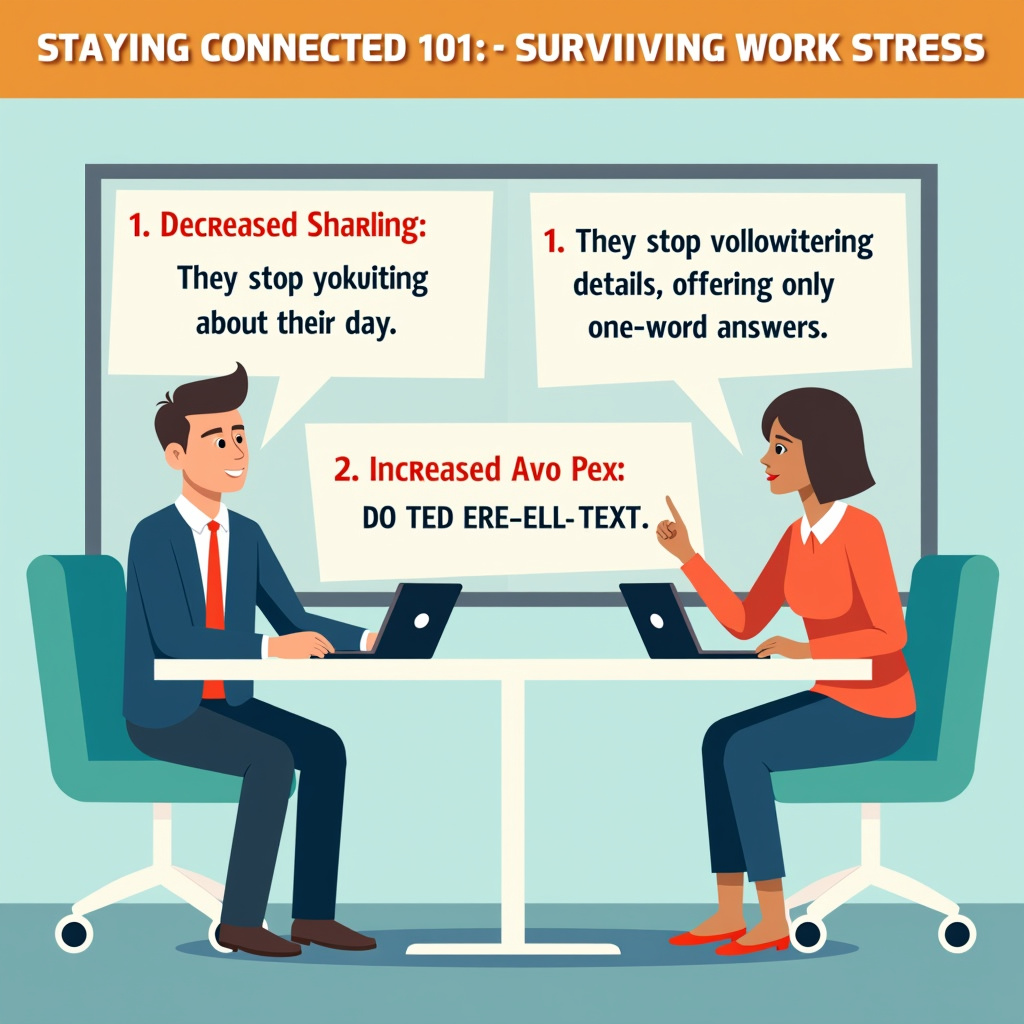
- Decreased Sharing: They stop volunteering details about their day, offering only one-word answers.
- Increased Avoidance: They suddenly find reasons to be busy when you suggest spending time together, even casual time.
- Lack of Affection: A noticeable drop in physical or verbal warmth, even simple gestures.
If you notice these signs, avoid accusation. Instead, use "I" statements during your check-in: "I’ve noticed we haven’t connected much lately, and I miss you. Is there anything I can do to support you right now?"
Common Beginner Mistakes to Avoid
Starting relationship maintenance can feel awkward, and beginners often stumble on predictable hurdles. Avoid these common pitfalls:
- The "Fix-It" Trap: When your partner shares a problem related to work, your instinct might be to offer solutions immediately. Often, they just need validation first. Resist the urge to solve; focus on validating the emotion (e.g., "That sounds incredibly frustrating").
- Assuming They Know: Never assume your partner knows you love them when you are busy. Stress is not the time to stop expressing affection or appreciation; it’s the time to increase it.
- Using Communication as Weaponry: During difficult times, effective communication in marriage requires that you never bring up past grievances when discussing a present issue. Stay focused on the current stressor.
Next Steps for Growth: Looking Beyond the Crisis
Once you have successfully navigated a stressful work phase using these basic tools, you can look toward strengthening your relationship further. If you are planning future milestones, incorporating these habits early is essential. For example, when thinking about dating advice for the new year, remember that the lessons learned during work stress are the same lessons needed for long-term planning: consistent effort and clear communication trump grand gestures.
To continue your growth:
- Explore Active Listening: Look up basic active listening techniques (like reflective summarizing: "So, what I hear you saying is…").
- Read Foundational Texts: Find a beginner-friendly book on relationship skills to deepen your understanding beyond this introductory guide.
- Schedule Fun: Intentionally plan activities—even small, inexpensive ones—that have no goal other than shared enjoyment. This rebuilds positive deposits in your Emotional Bank Account.
Conclusion: Resilience Through Connection
Surviving demanding work periods without sacrificing your most important relationships is entirely achievable. It requires shifting your mindset from hoping things will stay fine to actively maintaining them. By focusing on effective communication in marriage, setting small boundaries, and recognizing the early signs your partner is pulling away, you build a resilient partnership. Remember, the small, consistent efforts you make today are the bedrock that supports you both when the next big challenge arrives. You have the tools; now, commit to using them.

