5 DIY Gift Kit Mistakes That Cost You Thoughtfulness
We’ve all been there. The holiday rush hits—maybe it’s the looming Thanksgiving dinner or a sudden last minute birthday gifts emergency—and the idea of a DIY gift kit seems like the perfect solution. It promises personalization, saves money (hello, under $25 gift ideas!), and feels inherently thoughtful. But sometimes, in our rush to be creative and budget-conscious, we accidentally strip the thought right out of the thoughtfulness. Creating a truly meaningful gift requires more than just assembling components; it requires intention. Let’s dive into the five most common pitfalls that turn a potentially great diy gift kits idea into something that feels more like a chore than a charm, and how you can easily fix them.
Why We Trip Up: The Intention vs. Execution Gap
The beauty of a DIY kit is that it offers an experience, not just an object. People often opt for these kits because they want to give cheap personalized gifts or best affordable hostess gifts that don't look cheap. The mistake usually happens when we prioritize convenience or cost-cutting over the recipient's actual needs or interests. We choose what’s easy for us to assemble rather than what will truly delight them.
Mistake #1: The "One-Size-Fits-All" Assembly
This is perhaps the most frequent offender when assembling kits for various people, especially when looking for unique presents for men who have everything or gifts for new homeowners.
What the Mistake Is: You buy a generic recipe or theme (like a "spa kit" or a "cocktail kit") and fill it with standard ingredients, ignoring the recipient's specific preferences.
Why People Make It: It’s fast. Buying a pre-packaged "Hot Cocoa Bar Kit" from the store is easier than tailoring it. You think, "Everyone likes chocolate."
The Consequence: The recipient might end up with ingredients they can't use or don't enjoy. Imagine gifting a spicy margarita kit to someone who hates cilantro, or a candle-making kit to someone who has severe asthma. It feels impersonal, even if the presentation is lovely.
How to Avoid It: Always tailor the core components. If you’re doing a cocktail kit, research their favorite spirit or flavor profile. If it’s a baking kit, check for allergies or dietary restrictions first.
What to Do Instead: Focus on experiential gift ideas specific to them. If they love gardening, make a "Seed Starting Kit" using only heirloom seeds you know they’ve been eyeing. If they are thoughtful gifts for elderly parents, perhaps a "Cozy Reading Kit" focused on large-print bookmarks and their favorite type of tea, rather than trendy new gadgets.
Mistake #2: Forgetting the "How-To" Instruction Manual
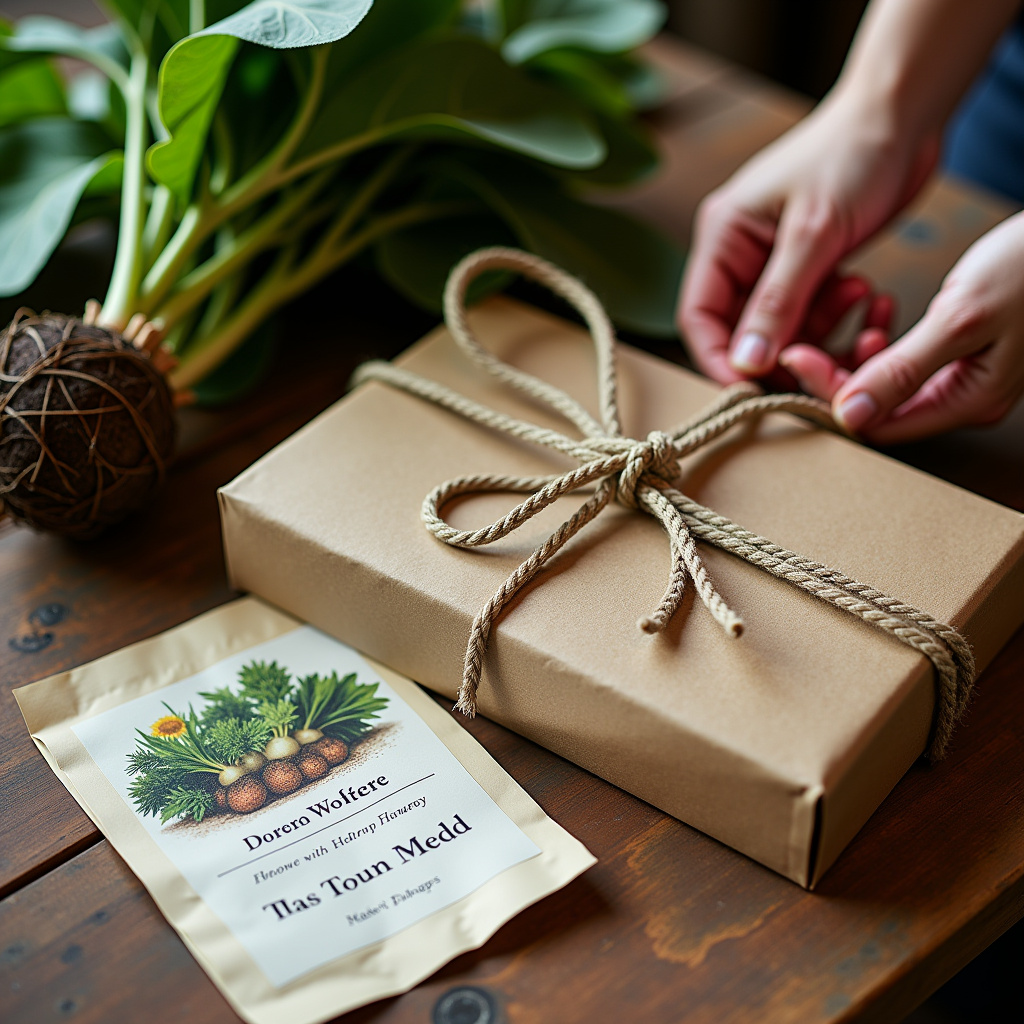
A kit implies that the recipient can do something with it. If the instructions are missing, vague, or overly complicated, the gift instantly becomes frustrating rather than fun.
What the Mistake Is: Throwing all the components into a cute box with maybe a scribbled note that says, "Mix and enjoy!"
Why People Make It: We often forget that we know how to use these items because we researched them. We assume the recipient has the same background knowledge—especially true when assembling subscription box gifts components that might be new to them.
The Consequence: The gift sits unused, collecting dust, because the recipient feels intimidated or overwhelmed trying to figure out the process. This is particularly common with unusual gift ideas for men where the tools might look unfamiliar.
How to Avoid It: Dedicate time to creating clear, attractive instructions. If it’s a complex craft, film a short, private video tutorial and include a QR code linking to it within the kit.
What to Do Instead: Write a personalized instruction card. For a "Build-Your-Own Hot Sauce Kit," include suggested flavor pairings and a note like, "Start with 1/4 tsp of Ghost Pepper dust first—trust me!" This guidance transforms instructions into shared wisdom.
Mistake #3: Skimping on the "Experience Glue"
This mistake often surfaces when trying to keep cheap personalized gifts under a strict budget. You buy the necessary main components but forget the small details that tie the experience together.
What the Mistake Is: Providing the ingredients for a craft or activity but omitting the necessary tools or foundational elements.
Why People Make It: Budget constraints force painful cuts. You buy the yarn for a knitting kit but forget the needles, or you buy the gourmet coffee beans but skip the specialized filter needed for their specific brewer.
The Consequence: The recipient opens the box, realizes they need to make a separate trip to the store to buy the essential tool, and the momentum of the gift dies instantly.
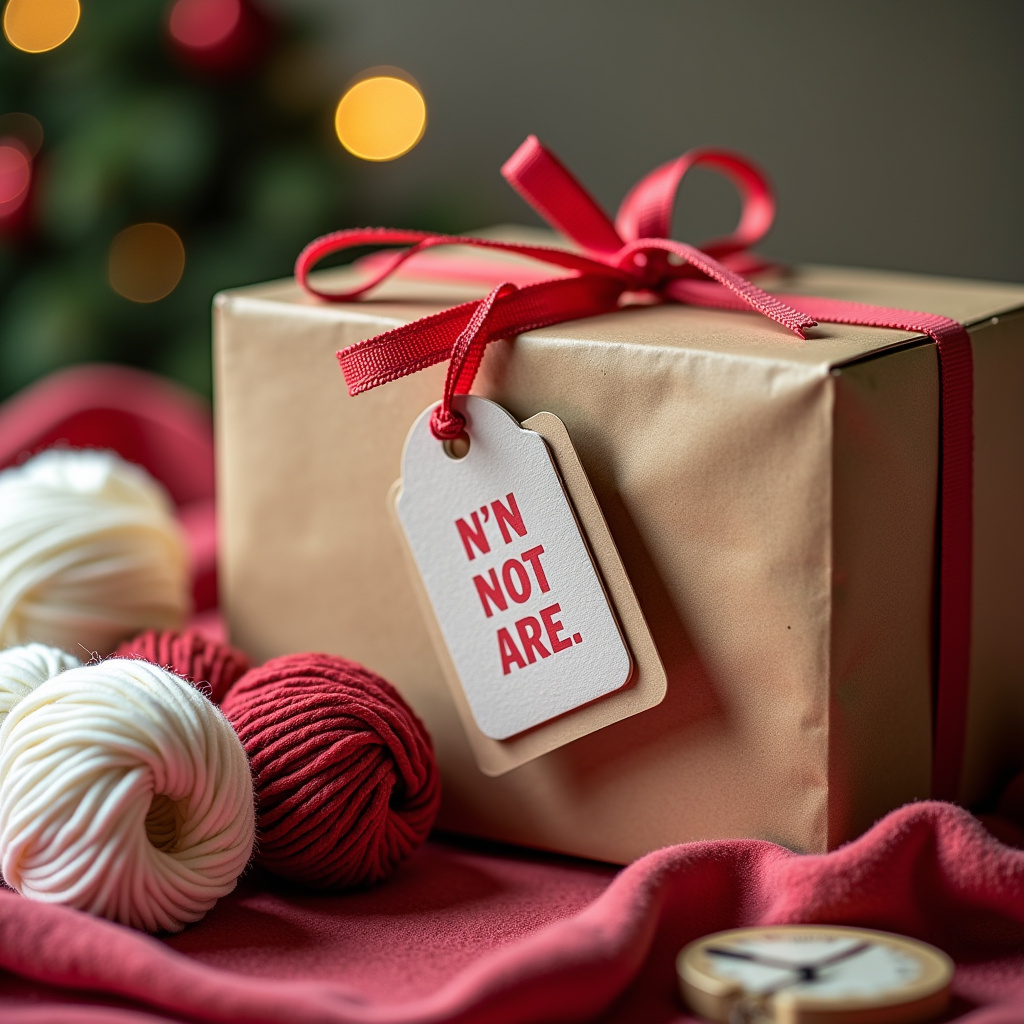
How to Avoid It: Always test your kit from the perspective of a novice. What is the absolute first thing they need to do? Ensure that item is present.
What to Do Instead: For unique experience gifts, include the necessary implements. If it’s a "Home Brewing Starter Kit," include a small, inexpensive measuring spoon or the specific type of sanitizer required. If you can’t afford the high-end version of the tool, include a charming, inexpensive version instead of nothing at all.
Mistake #4: Over-Complicating the "DIY" Aspect
While diy gift kits are meant to be hands-on, sometimes the DIY element becomes a barrier to entry rather than a fun activity.
What the Mistake Is: Creating a kit that requires significant time, specialized equipment, or messy clean-up that the recipient doesn't have the capacity for right now.
Why People Make It: We love the idea of giving someone a complex, hands-on project, especially for experiential gift ideas. We forget that the recipient might be a busy parent, a student, or someone who just wants five minutes of relaxation, not a three-hour commitment.
The Consequence: The kit ends up feeling like an obligation. "I should really make those bath bombs this weekend," they think, "but I just don't have the energy."
How to Avoid It: Gauge the recipient’s lifestyle. Are they looking for quick wins or deep dives?
What to Do Instead: Offer tiered thoughtfulness. If you are making a "Gourmet S’mores Kit," include both high-quality chocolate bars (ready to eat) and a small bag of marshmallows and graham crackers with instructions for a quick campfire roast. Give them the immediate gratification option alongside the project option.
Mistake #5: Focusing on Quantity Over Quality (The Clutter Creep)

This is a classic error when trying to hit a price point or make the box look "full." You start adding filler items that don't contribute to the central theme.
What the Mistake Is: Stuffing the kit with cheap trinkets or bulk items just to make the box look abundant. For example, putting five slightly stale peppermint patties in a gourmet coffee kit.
Why People Make It: We worry the recipient will think we didn't spend enough, especially if we are shopping for unique presents for men who have everything who need very little.
The Consequence: The high-quality, thoughtful items get lost among the filler, making the whole package feel less curated. It dilutes the impact of the main experience.
How to Avoid It: Embrace minimalism. A kit with three perfectly chosen, high-quality items beats a kit with ten mediocre ones every time.
What to Do Instead: If you need to fill space, fill it with thoughtful presentation elements—high-quality tissue paper, a handwritten calligraphy tag, or a single, beautiful ribbon. These cost little but dramatically elevate the perceived value and thoughtfulness.
Prevention Strategies: Making Thoughtfulness Automatic
To ensure your next diy gift kits project lands perfectly, integrate these preventative steps:
- The "Five-Minute Test": Before sealing the box, ask yourself: Could the recipient use the main component of this kit within five minutes of opening it, assuming they have basic household items (like a pot or a spoon)? If the answer is no, add the missing piece.
- Recipient Profile Check: For every item, ask: "Does [Recipient Name] genuinely love this, or do I love this?" If it’s the latter, swap it out for something that matches their known interests.
- Budget for Presentation: Allocate 10-15% of your budget specifically for packaging, labeling, and instructions. This is where the perceived value of cheap personalized gifts skyrockets.
Conclusion: The Heart is the Best Ingredient
Creating a DIY gift kit is a wonderful gesture, especially when you're seeking under $25 gift ideas that feel significant. By avoiding these five common pitfalls—ignoring personalization, skipping instructions, omitting essential tools, over-complicating the process, and adding clutter—you ensure that your hard work translates directly into the recipient’s joy. Remember, the best gift isn't the most expensive one; it's the one that shows you truly saw the person you were giving it to. Go forth and assemble with intention!