5 Small Space Layout Mistakes (And What to Do Instead)
Let’s be honest: hosting a great gathering in a small space can feel like a magic trick gone wrong. You’ve got the amazing Party ideas bubbling in your brain—maybe an elegant dinner party themes night or a fun low-cost birthday themes celebration—but then reality hits: your living room is only 10×12. The most common stumbling block we see when people try to maximize their square footage? Layout mistakes. These errors often happen not because you lack creativity, but because we tend to decorate the way we decorate every day, rather than how we should for a party. Today, we’re diving into the five most frequent layout blunders and providing actionable fixes so your next event feels spacious, fun, and totally stress-free.
Why Do We Keep Making These Mistakes?
We fall into these traps because designing for flow is different than designing for daily life. When it’s just you and your immediate family, having the sofa pressed against the wall and the dining table permanently set makes sense. But when 15 people show up looking for small space party layout ideas, that cozy setup suddenly becomes a bottleneck. We forget that guests need room to breathe, mingle, and access the snack table without asking five people to squeeze sideways. The goal isn't to magically gain square footage; it's to use the footage you have smarter.
Mistake #1: The "Wall Hugger" Syndrome
This is perhaps the most universal small-space error. We instinctively push all our furniture—sofas, chairs, side tables—flush against the perimeter walls.
Why People Make It: It feels neat, tidy, and maximizes the perceived open space in the center of the room. It’s how we live when we aren't hosting.
The Consequence: When all furniture hugs the walls, you create one massive, unusable open void in the middle. Guests tend to cluster awkwardly near doorways or just stand stiffly in the center, unable to easily transition between conversation groups or reach the bar. Traffic flow grinds to a halt.
What to Do Instead: Float Your Furniture. Pull major pieces (like the sofa or main accent chairs) at least 18 to 24 inches away from the wall. This creates an invisible circulation path behind the furniture, allowing people to move around the seating areas rather than having to barge through them. Use smaller, lightweight pieces like ottomans or poufs that can be easily moved to bridge gaps or serve as extra seating when needed.
Prevention Tip: If you’re planning a bash—even a simple one requiring just a few cheap party decorations—mentally map out the traffic paths first. Where is the food going? Where is the bathroom? Ensure those pathways are clear, even if it means temporarily removing a coffee table.
Mistake #2: The Centralized Food Fortress
When space is tight, the natural instinct is to put all the food and drinks in one central location—usually the kitchen island or a single dining table.
Why People Make It: It keeps things contained, makes refilling easy for the host, and looks abundant.
The Consequence: This creates a single, insurmountable bottleneck. Imagine trying to serve drinks, grab an appetizer, and refill your plate all in the same 4-square-foot area. People get stuck, conversations die, and the line gets grumpy. This is especially disastrous if you’re trying to pull off a sophisticated evening using themed cocktail party menus.
What to Do Instead: Decentralize the Stations. Divide your offerings into two or three distinct zones. Place drinks (perhaps a self-serve hydration station) in one area, heavy appetizers in another, and desserts/coffee in a third, slightly removed spot. This forces movement throughout the space, encouraging guests to mingle in different zones.
Example Scenario: For a retirement party themes for men, set up the main buffet near the kitchen, but place a dedicated "whiskey tasting" station or cigar bar (if appropriate) on a small balcony or in a corner of the living room.
Mistake #3: Ignoring Vertical Space (The Clutter Creep)
In small spaces, we often forget that "surface area" isn't just the floor. We let every available flat surface become a landing zone for clutter, coats, or serving dishes.
Why People Make It: It's easier to temporarily place things on the nearest flat surface than to find a dedicated home for them, especially during a last minute party planning guide execution.
The Consequence: Clutter shrinks a room visually faster than almost anything else. When every counter, end table, and chair seat is covered, the room feels chaotic, overwhelming, and physically smaller. Guests feel like they have to navigate obstacles.
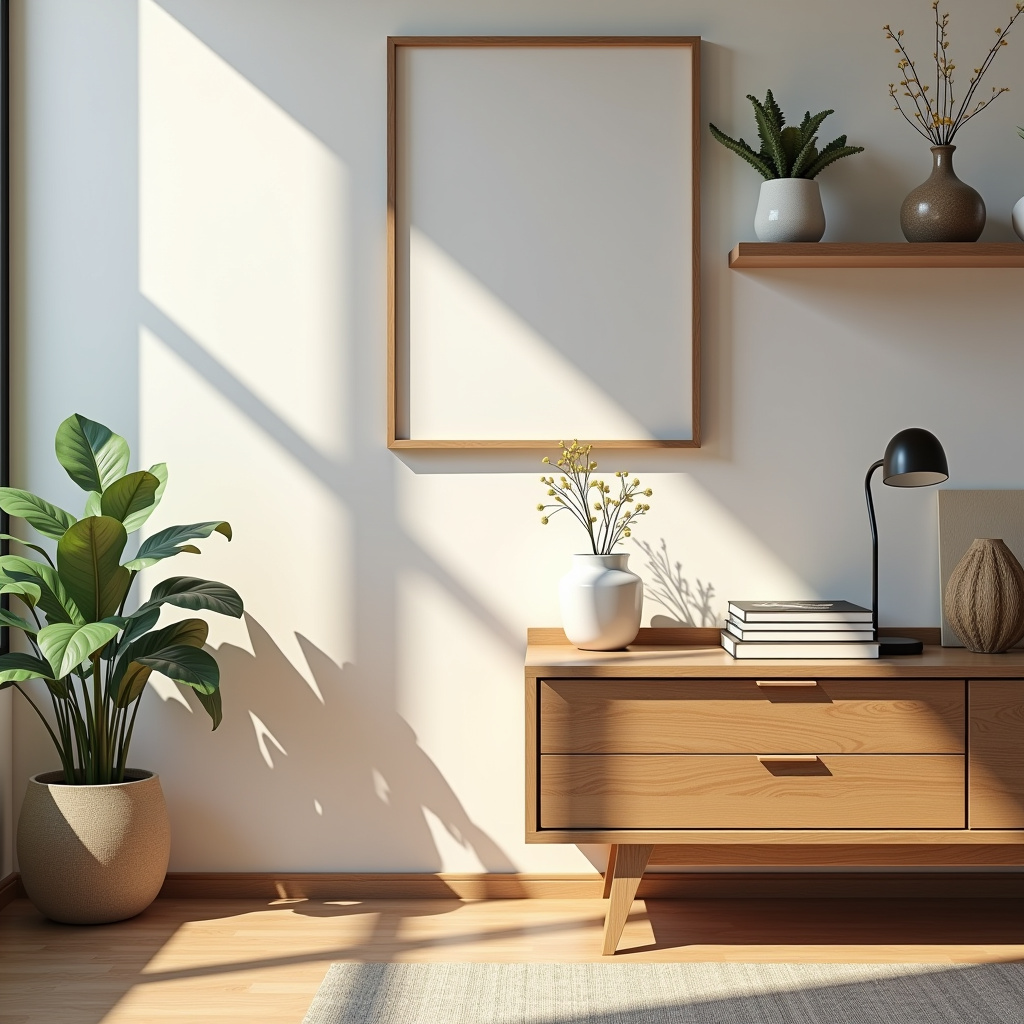
What to Do Instead: Go Up and Go Away. Utilize vertical storage. Invest in a rolling cart or bar cart that can be tucked against a wall when not in use but easily rolled into the action when serving. For coats and bags, designate a specific closet or use attractive floor hooks near the entryway—don't let them pile up on the guest bedroom bed.
Actionable Tip: Before guests arrive, clear everything off the coffee table and console tables. If you need them for serving, use a visually light option, like a glass or acrylic tray, rather than a heavy wooden one.
Mistake #4: Forgetting the "Flow" for Specific Activities
This mistake is common when planning activities, whether it’s a lively game or a seated meal. People often plan the activity based on the concept rather than the space.
Why People Make It: If you’re planning diy party games for adults, you might assume everyone can stand around one small table. Or, if you're trying out interactive murder mystery party kits, you might squeeze too many chairs around the dining table.
The Consequence: The activity becomes awkward. If people can't sit comfortably or move around the game area, participation drops. If you’re trying to force a sit-down meal when you only have space for four people at the table, you end up with people balancing plates on their knees while hovering awkwardly.
What to Do Instead: Match the Activity to the Footprint. If you have very limited space, pivot toward standing or mingling activities. If you are set on a seated event, look for low-cost birthday themes that lend themselves to grazing stations rather than formal plating. If you must have a game, choose one that can be played in rotating small groups, like a sophisticated game of charades, rather than one that requires everyone to be focused on one central point.
Alternative for Small Spaces: If you’re hosting teenager party themes at home, ditch the formal seating for a "Photo Booth Zone" with fun props. It’s interactive, uses vertical space (with a nice backdrop), and doesn't require permanent seating arrangements.
Mistake #5: Poor Lighting Choices That Shrink the Room
Lighting is often overlooked in layout planning, but it dramatically affects how spacious a room feels. People often rely on one harsh overhead light or very dim ambient lighting.

Why People Make It: Overhead lighting is easy, and dim lighting feels intimate for a dinner party.
The Consequence: Harsh overhead lighting creates unflattering shadows and highlights clutter. Conversely, lighting that is too dim forces people to huddle near the few light sources, creating dense clusters and making the rest of the room feel cavernous and empty—or worse, tripping hazards.
What to Do Instead: Layer Your Light. Use multiple, lower light sources. Table lamps, floor lamps, and strategically placed string lights (even for an elegant dinner party themes night, subtle fairy lights on a sideboard can add magic) draw the eye around the room rather than just up to the ceiling. Aim for warm, diffused light.
Pro Tip for Virtual Parties: Even if you are using virtual party game ideas, good lighting in your own space makes the event feel more professional and engaging for remote attendees!
Final Prevention Strategies for Seamless Entertaining
Avoiding these layout pitfalls comes down to proactive planning. Before your next event, run through this quick checklist:
- The 3-Foot Rule: Ensure there is at least three feet of clear space around any primary pathway or serving area. This allows two people to pass comfortably without bumping elbows.
- The Inventory Check: Before you start decorating or setting up food, physically remove anything that isn't essential for the party (extra magazines, mail piles, non-essential décor). A clear surface is a functional surface.
- The Mock Run: If you are worried about flow, physically walk through the path you expect guests to take. Can you easily get from the "drink station" to the "snack station" without crossing someone else's conversation circle?
Hosting in a small space isn't about cramming as many people in as possible; it’s about creating an environment where the people you do invite feel comfortable, connected, and free to move. Don't stress if your first attempt isn't perfect—every host learns through trial and error. Grab your free party planning checklist, implement these layout tweaks, and get ready to enjoy a beautifully flowing, stress-free gathering!