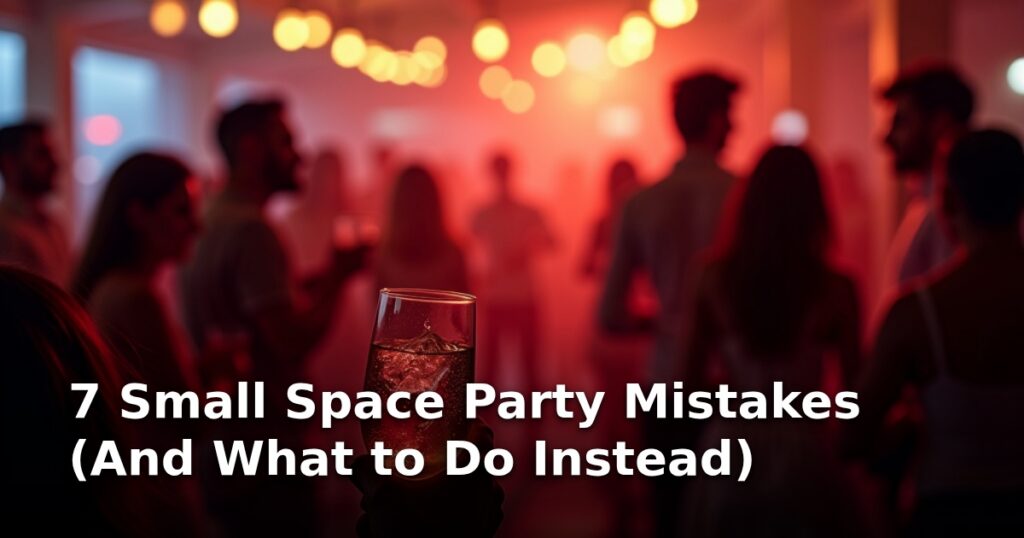
7 Small Space Party Mistakes (And What to Do Instead)
Hosting a fantastic celebration doesn't require a sprawling ballroom. Whether you’re planning low-cost birthday themes for your teen or an intimate gathering, making the most of a smaller space is key. But let’s be honest, when we’re excited about our party ideas, we often overlook the practical realities of our living room square footage. It’s easy to fall into common traps that turn a cozy gathering into a cramped, stressful affair. This guide is here to help you self-diagnose those common errors and pivot to brilliant solutions, ensuring your next small-space party is a smashing success.
Why We Trip Up: The Optimism Trap
We all start with the best intentions. We see Pinterest-perfect layouts and imagine 20 people mingling comfortably when we only have room for 10. The main reason these mistakes happen is over-optimism about capacity and under-planning the flow. We often focus solely on the decor (like finding cheap party decorations) and forget about the crucial logistics of movement, food service, and seating.
Here are seven common pitfalls that sabotage small-space parties, and how to fix them immediately!
Mistake #1: Ignoring the "Flow" of Traffic
The biggest killer of small-space ambiance is poor circulation.
What the Mistake Is: Setting up food stations, the bar, or activity hubs (like a diy party games for adults station) directly in the main thoroughfare or bottleneck areas.
Why People Make It: You want guests to easily access everything, so you cluster things together for convenience during setup.
The Consequence: Guests feel trapped, conversations are constantly interrupted by people squeezing past, and the entire energy level drops because nobody can comfortably move.
What to Do Instead: Map out your "Flow Zones." If you have a hallway or an entryway, use that as a secondary staging area. Place the main food buffet against the longest clear wall, allowing people to line up parallel to it rather than perpendicular to the flow of traffic. For parties where you need a free party planning checklist, ensure "Traffic Flow Mapping" is item number one.
Mistake #2: Over-Seating the Room
In an effort to make guests feel catered to, we try to squeeze in every dining chair we own.
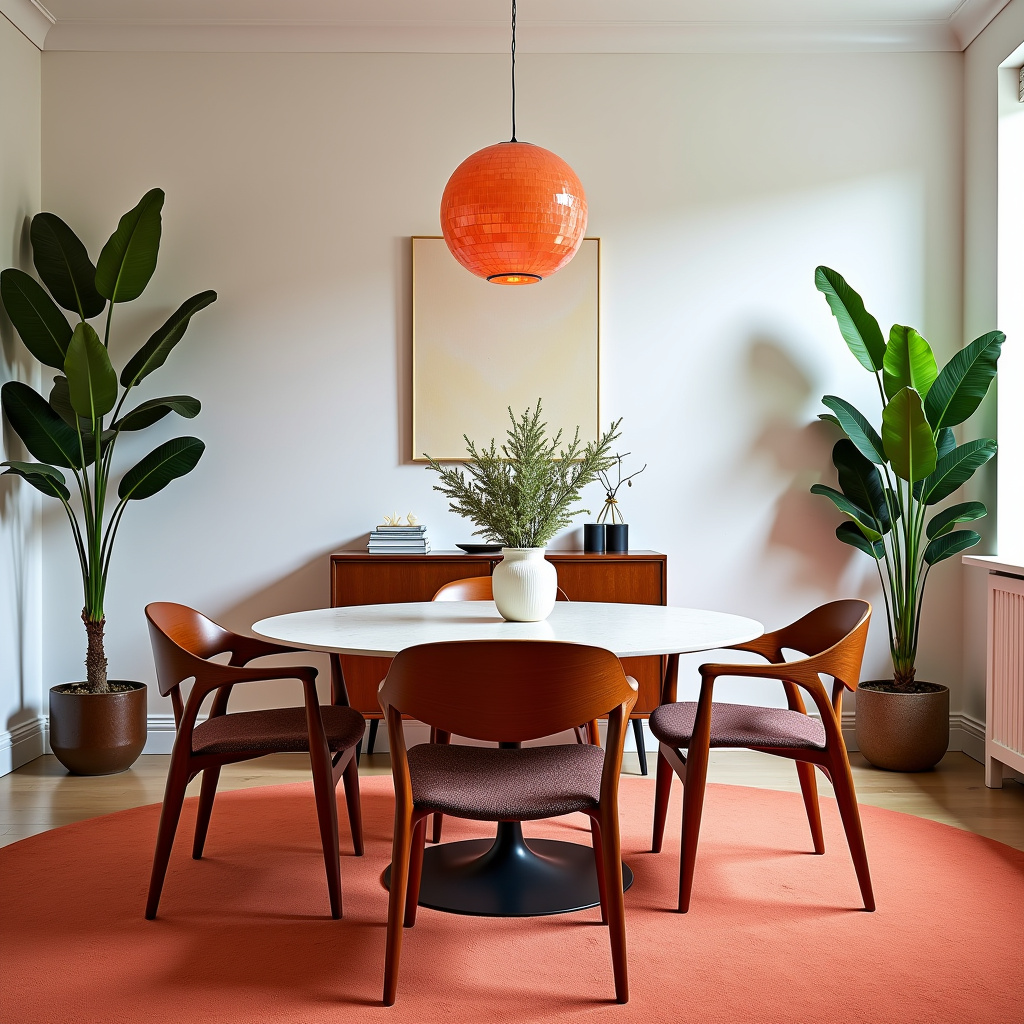
What the Mistake Is: Prioritizing formal, dedicated seating for every single guest, even if the party style doesn't require it (especially true for casual teenager party themes at home).
Why People Make It: We worry guests won't stay if they don't have a designated spot, or we forget that standing and mingling is often preferred in a relaxed setting.
The Consequence: The room feels cluttered, making it impossible for people to move around and chat casually. It forces people into awkward, stationary groups.
What to Do Instead: Embrace "Cluster Seating." Aim for seating for about 50-60% of your guests. Use a mix of comfortable spots: a sofa, a couple of armchairs, and maybe a few high-top tables or bar stools. This encourages movement. If you are planning an elegant dinner party themes, opt for a smaller guest list that perfectly fits your available space, rather than trying to squeeze in extra chairs around the dining table.
Mistake #3: Making the Bar the Centerpiece
The drinks station often becomes the natural gathering spot, which is fine—unless it’s in the wrong place.
What the Mistake Is: Centering the bar or drink area in the middle of the main living space.
Why People Make It: It looks impressive and makes it easy for the host to manage refills.
The Consequence: It creates a permanent, unmoving crowd bottleneck that blocks access to food, seating, and the door.
What to Do Instead: Relocate the bar to a secondary, less central location, perhaps a kitchen counter nook or a side table in a corner. When planning your themed cocktail party menus, ensure the serving area is slightly off the main path. If you’re hosting a retirement party themes for men, sometimes setting up a cigar/whiskey station in a separate, smaller room (like an office) can help distribute guests naturally.
Mistake #4: Trying to Stuff Too Many Activities In
Small spaces mean fewer places for guests to naturally spread out, so you might feel pressure to keep everyone engaged in one spot.
What the Mistake Is: Trying to run a complex, multi-stage game or activity that requires a large footprint. Think about trying to run a full-scale interactive murder mystery party kits game when you only have a small apartment.

Why People Make It: You want engagement, and organized games feel like the best way to guarantee it.
The Consequence: Guests feel crowded, the game stalls because people are bumping elbows, and the required props take up valuable floor space.
What to Do Instead: Opt for low-footprint, easy-to-start activities. If you’re planning a last minute party planning guide, choose games that can be played while standing or sitting in small clusters. Think conversation cards, "two truths and a lie," or very small-scale trivia that can be managed with just a phone or small whiteboard. For large groups, consider digital options like virtual party game ideas adapted for a shared screen, allowing people to participate without needing physical space.
Mistake #5: Underestimating Food Service Needs
This mistake often trips up hosts planning buffets or large spreads.
What the Mistake Is: Using one tiny coffee table or counter surface for all the food and plates.
Why People Make It: You want the food presentation to look cohesive and beautiful.
The Consequence: Food gets cold quickly because it’s too close to guests, and you run out of space for clean plates, leading to stacks of used dishes accumulating everywhere.
What to Do Instead: Utilize vertical space and secondary surfaces. Use risers (even upside-down cake pans covered with a nice cloth) to create different height levels for platters. Use a separate, dedicated table or cart just for dirty dishes near the kitchen entrance. This keeps the main food display clean and accessible.
Mistake #6: Choosing Décor That Sits Too Low or Too Wide
Decorations are essential, but they eat up valuable visual and physical space.
What the Mistake Is: Using large, bulky centerpieces, wide floor lamps, or excessive low-lying décor.
Why People Make It: Low décor feels cozy and traditional.
The Consequence: Guests constantly have to navigate around objects, and the room feels visually heavy and cluttered, shrinking the perceived size.
What to Do Instead: Go vertical! Focus your décor efforts upward. Use tall, slender vases, string lights from the ceiling, or hang banners. If you have a mantle or high shelf, use that for display items. This draws the eye up, making the ceiling feel higher and leaving the floor clear for movement.
Mistake #7: Not Designating a "Drop Zone"
Every party needs a place for the "stuff" that guests bring.
What the Mistake Is: Having no designated spot for coats, purses, gifts, or shoes.
Why People Make It: It feels awkward to ask guests where they want to put their things, or you assume they’ll just hold them.
The Consequence: Guests end up piling jackets on the one clear chair, cluttering the entryway, or setting drinks down on the floor, which creates trip hazards.
What to Do Instead: Proactively create a small space party layout ideas solution. If you have a spare bedroom, designate it the coat room. If not, clear one side of a closet and leave the door slightly ajar with a note: "Coats & Bags Here." Even setting up a simple coat rack in a corner signals that this is the designated spot, keeping the main area clear for mingling.
Prevention Strategies: Preparing for Success
To avoid these pitfalls, shift your planning focus from what you are serving to how people will interact with it.
- The 3-Foot Rule: Before the party, walk through your intended paths. If you can't comfortably walk three feet without hitting furniture or a food station, redesign that area.
- Embrace the Outdoors (If Possible): Even if it's chilly, moving the bar or a few seating clusters onto a balcony or patio instantly doubles your usable space.
- Digitize Where You Can: Use digital invitations and RSVPs to avoid bulky paper clutter. If you’re doing a trivia game, use a smartphone app instead of large printed sheets.
By focusing on flow, smart seating, and designated zones, you can transform a small space into an incredibly intimate and successful party venue. Don't stress about the square footage; focus on the quality of the experience. Happy hosting!