
7 Teenager Party Mistakes (And What to Do Instead)
Let’s be honest: planning a party, especially for teenagers, can feel like navigating a minefield blindfolded. Whether you’re organizing a milestone birthday or just a fun Friday night hangout, the pressure to get everything perfect is real. We all want our kids (or ourselves!) to have an unforgettable, stress-free event. However, even the best intentions can lead to common pitfalls. Understanding these common slip-ups is the first step toward throwing epic party ideas without the headache.
Why do these mistakes happen? Usually, it’s a mix of overthinking, under-communicating, or trying to stick too rigidly to a budget that doesn't quite match the vision. But don't worry! We’re diving into the seven most frequent teenager party blunders and offering actionable, stress-reducing solutions so your next bash is a roaring success.
Mistake #1: Over-Complicating the Theme
This is perhaps the most common error when brainstorming party ideas. The planner gets inspired by something elaborate—maybe an elegant dinner party themes concept they saw online—and tries to force it onto a group of 15-year-olds who just want pizza and music.
The Mistake: Aiming for overly complex, adult, or niche themes that require expensive props or specialized knowledge.
Why It Happens: We often look at professional party setups and forget that teens value vibe over intricate execution.
The Consequence: Stress for the host, confusion for the guests, and a budget blown on decorations that go unused.
What to Do Instead: Keep it simple and focused on the activity. Instead of a formal "Roaring Twenties Gala," try a "Great Gatsby Karaoke Night." If you’re looking for low-cost birthday themes, think about things they already love. A "Glow Stick Rave" or a "Build-Your-Own-Taco Bar" is instantly engaging and requires minimal specialized décor.
Mistake #2: Forgetting the Importance of Flow and Space
When planning a party in a residential space, layout is everything. Cramming too many activities or too many people into a small area spells disaster.
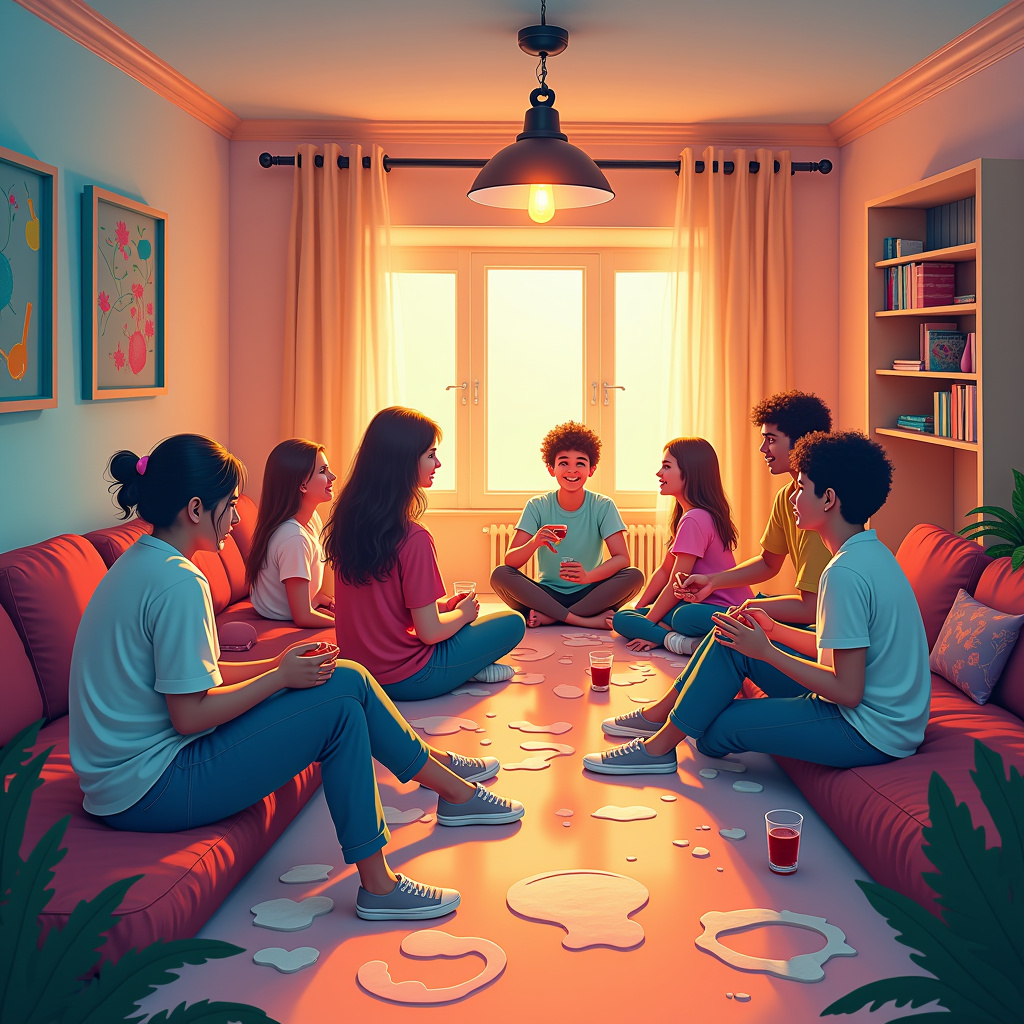
The Mistake: Ignoring the physical constraints of your venue, leading to bottlenecks and awkward downtime.
Why It Happens: People visualize the fun elements (like the dance floor) but forget the logistical necessities (like the food station or bathroom access). This is especially tricky when considering small space party layout ideas.
The Consequence: Awkward clustering, spilled drinks, and guests who feel trapped or bored because they can’t easily move around.
What to Do Instead: Designate zones. Even in a small living room, you can create a "Chill Zone" (beanbags, low lighting), a "Game Zone" (card table or console), and a "Fuel Station" (food/drinks). If the weather allows, move some activities outside. Before the party, walk through the flow yourself.
Mistake #3: Treating Food as an Afterthought
For teens, food isn't just sustenance; it's a major social currency. Serving something too formal or too scarce will quickly derail the energy.
The Mistake: Planning a menu that requires constant monitoring or serving tiny, fussy appetizers when guests are hungry. This is a mistake even when planning something like themed cocktail party menus for adults—teens need volume!
Why It Happens: The host is worried about dietary restrictions or messiness, so they default to boring options.
The Consequence: Guests leave hungry, or worse, they start raiding the pantry later, potentially causing a bigger mess.
What to Do Instead: Lean into interactive, self-serve food stations. Think beyond basic chips. Consider pizza rolls, build-your-own hot dogs, or a giant bowl of popcorn. If you are aiming for cheap party decorations and food, use fun labels for simple snacks ("Zombie Brains" for meatballs, etc.) to elevate the presentation without raising the cost.
Mistake #4: Underestimating Activity Burnout
Teens can swing from zero to hyperactive in seconds, but they also hit a wall quickly if activities are too structured or too long.
The Mistake: Scheduling every minute of the party with mandatory activities.
Why It Happens: Planners want to ensure no one is bored, so they over-plan the schedule.
The Consequence: Guests feel obligated to participate, leading to forced fun or awkward silences when the scheduled game ends and no one knows what to do next.
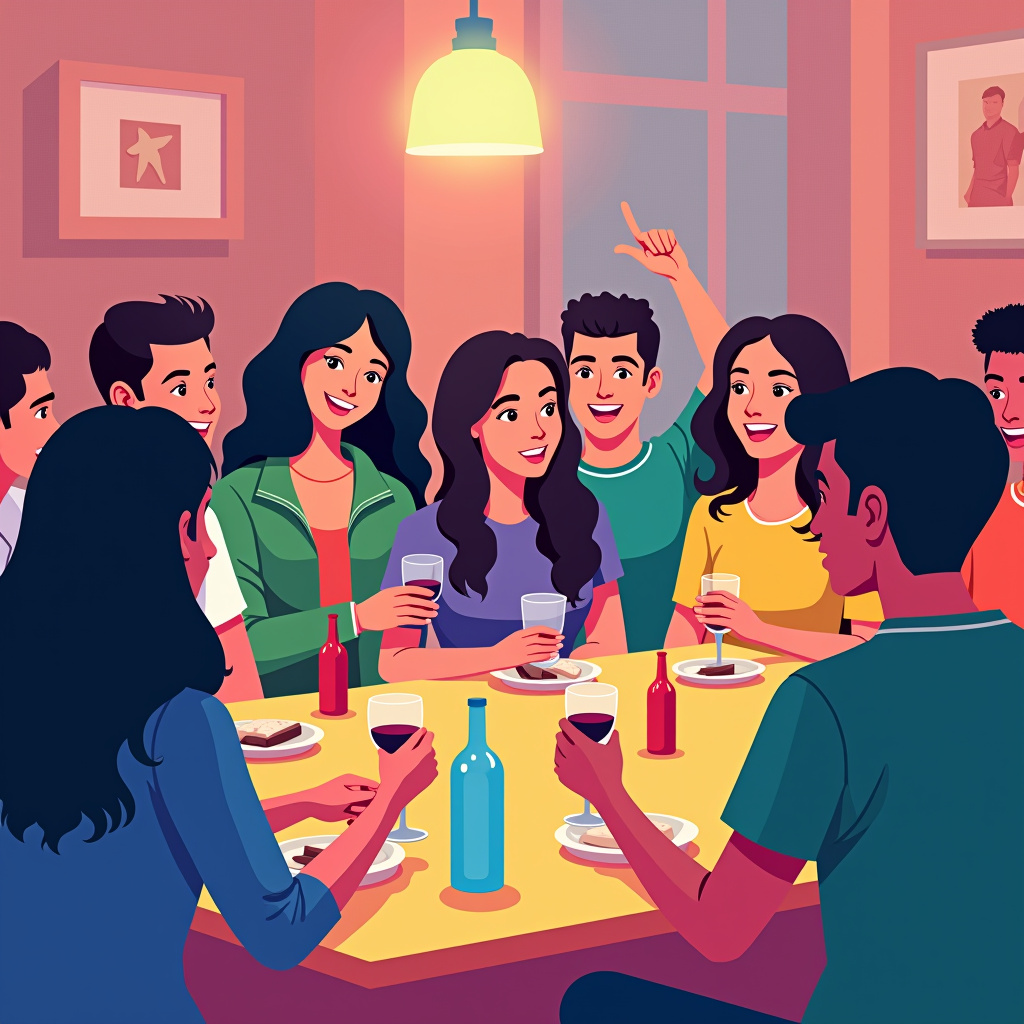
What to Do Instead: Have a menu of options, not a strict schedule. Set up a station for diy party games for adults (which are often great for teens, like giant Jenga or a photo booth) and let the energy dictate the flow. If they are dancing, let them dance! If they migrate to the video game console, let them play. Have one or two designated "anchor" activities planned for the middle of the party, like a group trivia round or a specific movie showing.
Mistake #5: Ignoring the Importance of Music and Lighting
Music is the heartbeat of any good gathering, especially for this age group. Bad tunes or harsh overhead lighting can instantly kill the mood.
The Mistake: Relying on generic playlists or allowing the house lights to stay at full brightness.
Why It Happens: Hosts often underestimate how much atmosphere music and lighting contribute, treating them as afterthoughts.
The Consequence: The party feels flat, and guests are less likely to relax or engage.
What to Do Instead: Create three distinct playlists: Arrival/Chill, Peak Energy, and Wind Down. Crucially, invest in mood lighting. String lights, colored LED bulbs, or even just turning off the main overhead lights and using lamps can dramatically change the feel. This is a key element in making teenager party themes at home feel special without spending much.
Mistake #6: Not Preparing for the Unexpected Guest List Fluctuation
Teen parties rarely stick perfectly to the RSVP list. You might have three people show up when ten were expected, or vice versa.
The Mistake: Planning resources (food, seating, supplies) based exactly on the RSVP count.
Why It Happens: It’s easier to calculate supplies for a fixed number, and hosts fear waste.
The Consequence: Either you run out of snacks halfway through, or you’ve overspent on perishable items that go uneaten.
What to Do Instead: Always budget for 15-20% flexibility. For food, focus on items that can be easily scaled up or down (like chips or frozen appetizers). If you are utilizing a last minute party planning guide, always keep a few emergency backup snacks in the pantry that require zero prep.
Mistake #7: Forgetting to Delegate and Document
The host should be a participant, not just a stressed-out manager running around fetching things.
The Mistake: Trying to do absolutely everything yourself, from setting up the décor to running the games to cleaning up spills.
Why It Happens: A desire for control or a fear of asking for help.
The Consequence: The host burns out before the party even hits its peak, missing out on the fun.
What to Do Instead: Delegate tasks to responsible family members or even the teens themselves. Ask a friend to be in charge of the music, or assign an older sibling to monitor the snack table. If you have a smaller group, use a simple free party planning checklist to divide tasks beforehand so you aren't managing everything in real time. (This also applies if you are planning something complex like an interactive murder mystery party kits event—delegate roles!)
Prevention Strategies: Making Party Planning Stress-Free
Avoiding these common mistakes boils down to preparation and mindset. Here are a few final tips to keep your party planning smooth:
- The 80/20 Rule: Aim for 80% perfection. The 20% that goes slightly wrong is usually what everyone remembers fondly later anyway.
- Involve the Guest of Honor: Ask the teenager what they prioritize. Do they care more about the music or the snacks? Their input ensures the focus remains where it should be.
- Have a "Backup Activity" Folder: Keep a digital or physical folder stocked with ideas for quick fillers. This is invaluable whether you need virtual party game ideas for a smaller crowd or just need to fill a 20-minute gap before the main event.
Throwing a great party doesn't mean achieving flawlessness; it means creating an atmosphere where people feel comfortable and excited. By recognizing these common pitfalls—from poor small space party layout ideas to over-the-top themes—you can pivot toward simple, high-impact solutions. You’ve got this! Now go plan something awesome.