The Beginner's Guide to Small Space Party Layouts
Welcome, future party planner! Are you staring at your cozy living room, wondering how on earth you can host a fun gathering without everyone bumping elbows? You’ve come to the right place. Hosting a great event doesn't require a ballroom; it just requires smart planning. This guide is dedicated to demystifying small space party layout ideas so you can host memorable get-togethers, no matter the square footage. Forget the stress—we’re going to make this easy, fun, and affordable!
What Exactly is a "Small Space Party Layout"?
When we talk about a "small space party layout," we are simply talking about the art and science of arranging furniture, food stations, and activity zones in a limited area to maximize guest comfort and flow. Think of it like Tetris, but instead of blocks, you’re arranging people and snacks!
It doesn't mean you can't have fun themes. Whether you’re planning low-cost birthday themes for a kid or looking for retirement party themes for men, the layout is the backbone that makes the theme work seamlessly.
Why Layout Matters for Beginners
As a beginner, you might think the decorations are the most important part. While cheap party decorations are fantastic for your budget, a poor layout can ruin the vibe faster than anything else.
A good layout ensures:
- Safety: No one trips over the coffee table or spills punch on the carpet.
- Flow: Guests naturally move around instead of congregating in one tight spot.
- Functionality: Everyone can easily access the food, drinks, and activities you’ve planned.
If you’re working on a last minute party planning guide, getting the layout right is the first thing you should tackle—it sets the stage for everything else.
Essential Terminology Explained (No Jargon Allowed!)
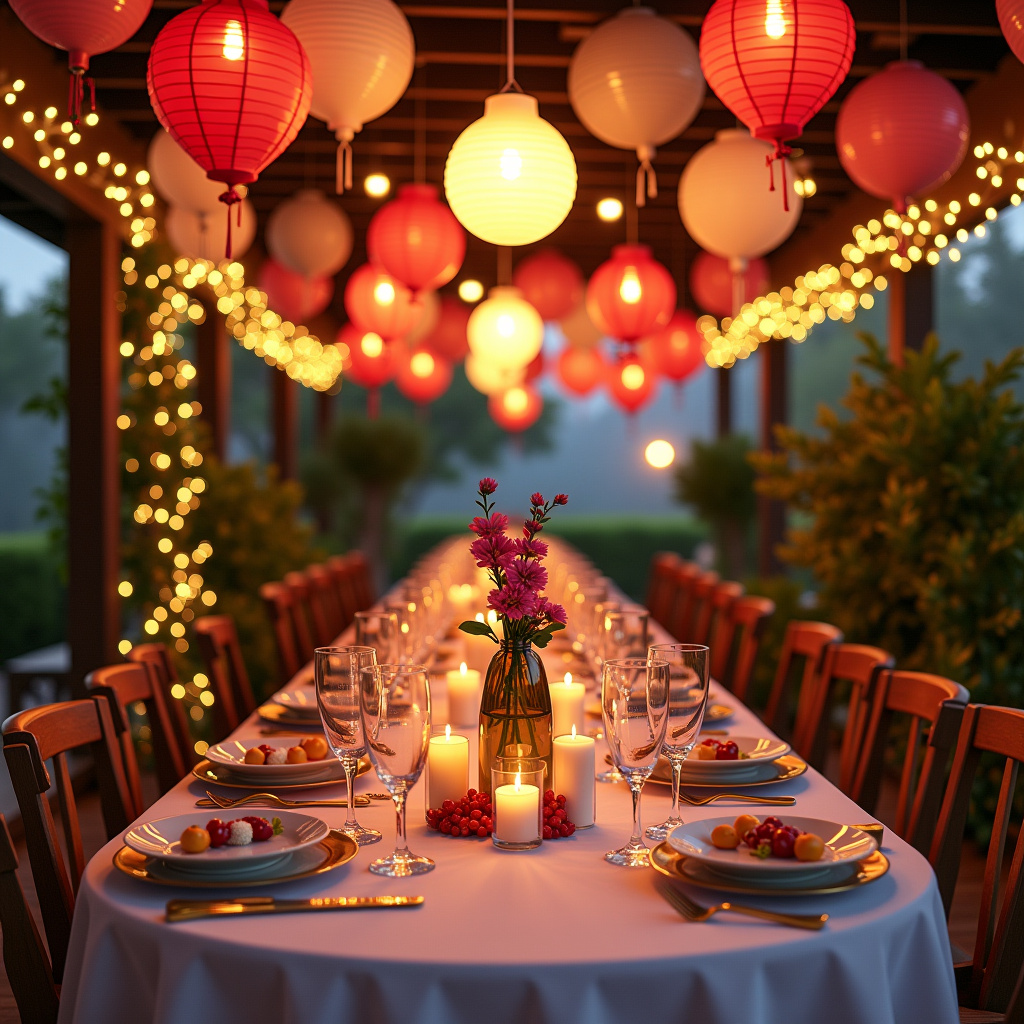
Before we dive into the steps, let’s quickly cover a few simple terms you’ll hear when planning:
- Traffic Flow: This is the path people naturally walk. In a small space, you want clear, wide paths—imagine an invisible highway for your guests.
- Zoning: This means dividing your space into functional areas. For example, the "Food Zone," the "Chat Zone," and the "Activity Zone."
- Vertical Space: Since floor space is limited, look up! Using shelves, tall centerpieces, or hanging decorations utilizes space without blocking walkways.
Getting Started: Your First Steps to a Great Layout
Ready to map out your amazing event? Follow these simple steps.
Step 1: Measure and Map (The Blueprint)
Even if you think you know your space, grab a tape measure. Knowing the exact dimensions of your room is crucial. Then, grab some graph paper or use a free online room planner tool.
Draw a rough sketch of your room. Don't worry about perfection—just map out where the doors, windows, and any permanent fixtures (like radiators or built-in shelves) are located.
Step 2: Decide on Your Zones Based on Your Party Ideas
What is the main purpose of this gathering? Are you focusing on conversation, or do you have a featured activity?
- For Casual Gatherings: If you are hosting diy party games for adults, you need an open central area for gameplay.
- For Dinner Parties: If you’re aiming for elegant dinner party themes, the eating area takes priority, and the serving area should be separate to avoid crowding.
Establish 2–3 main zones. In a small apartment, you might only have a "Food/Drink Zone" and a "Seating Zone."
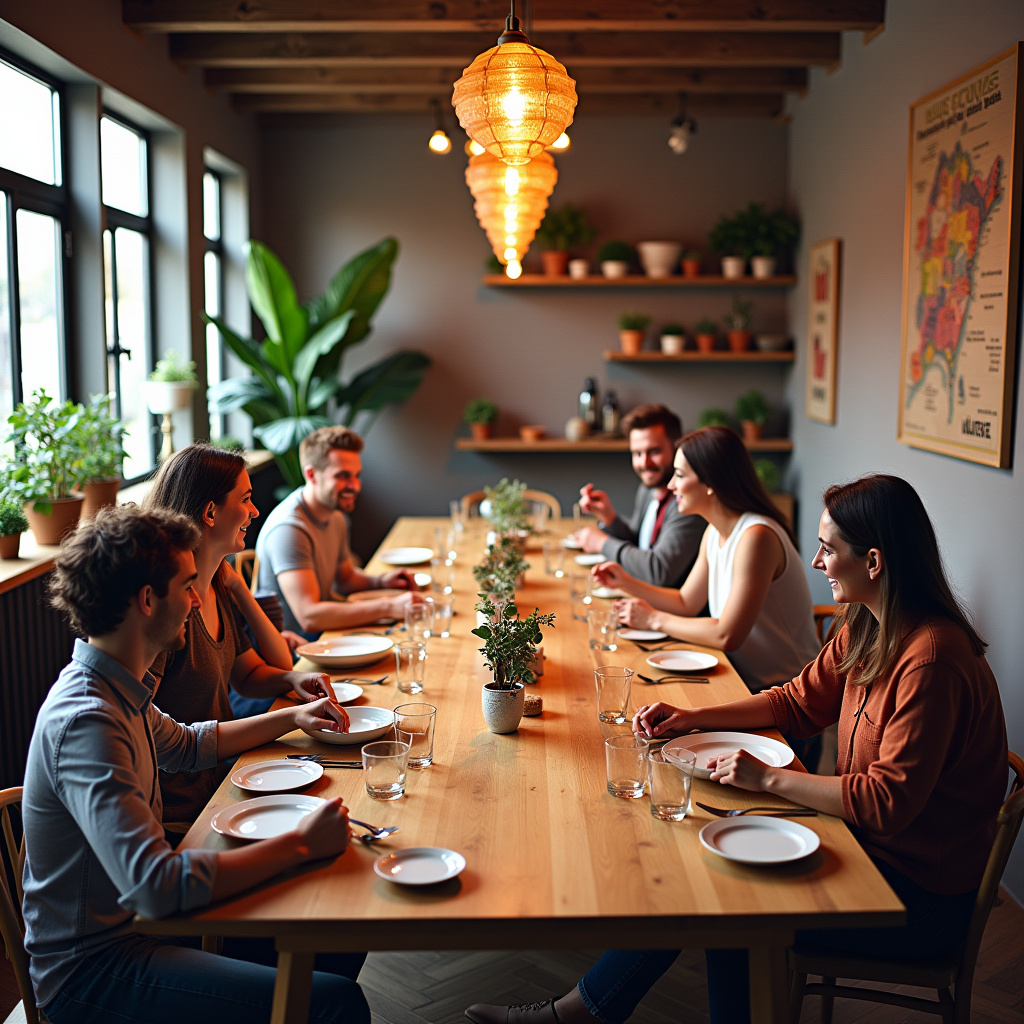
Step 3: The Furniture Swap (Embrace Minimalism)
This is where the magic happens. To create space, you must remove what you don't need.
- Clear the Clutter: Move any non-essential items (like that stack of magazines or the extra armchair) out of the main party area, even if it’s just into the hallway or bedroom temporarily.
- Multi-Purpose Furniture: Can your dining table double as the main buffet station? Can ottomans serve as extra seating or side tables?
- Think Vertical for Food: Instead of spreading food across a long, low table, use tiered serving trays. This is key for serving themed cocktail party menus efficiently.
Step 4: Positioning the Key Elements
Place the elements that must be there first, usually the food and drink stations.
- The Buffet: Place the food table against a wall, not floating in the middle of the room. This keeps traffic moving past it, rather than stopping right in front of it.
- The Bar/Drinks: Place drinks slightly away from the main food line. This prevents bottlenecks of people trying to grab a plate and a drink simultaneously.
- Seating: Instead of lining up chairs against the wall (which encourages people to sit and stay put), create small clusters of two or three chairs. This encourages mingling.
Common Beginner Mistakes to Avoid
Even with a good plan, beginners often fall into these traps:
- The Central Obstacle: Putting the largest piece of furniture (like the coffee table) directly in the center of the room. This forces guests to navigate around it awkwardly. Solution: Push it against a wall or remove it entirely.
- Ignoring the Doorway: Never block the main entry or exit points. People need to feel they can easily enter and leave the main party zone.
- Over-Programming Activities: If you’re planning virtual party game ideas but hosting in person, make sure the in-person activities don't require a massive, dedicated space. Keep it simple!
Tailoring Layouts for Specific Themes
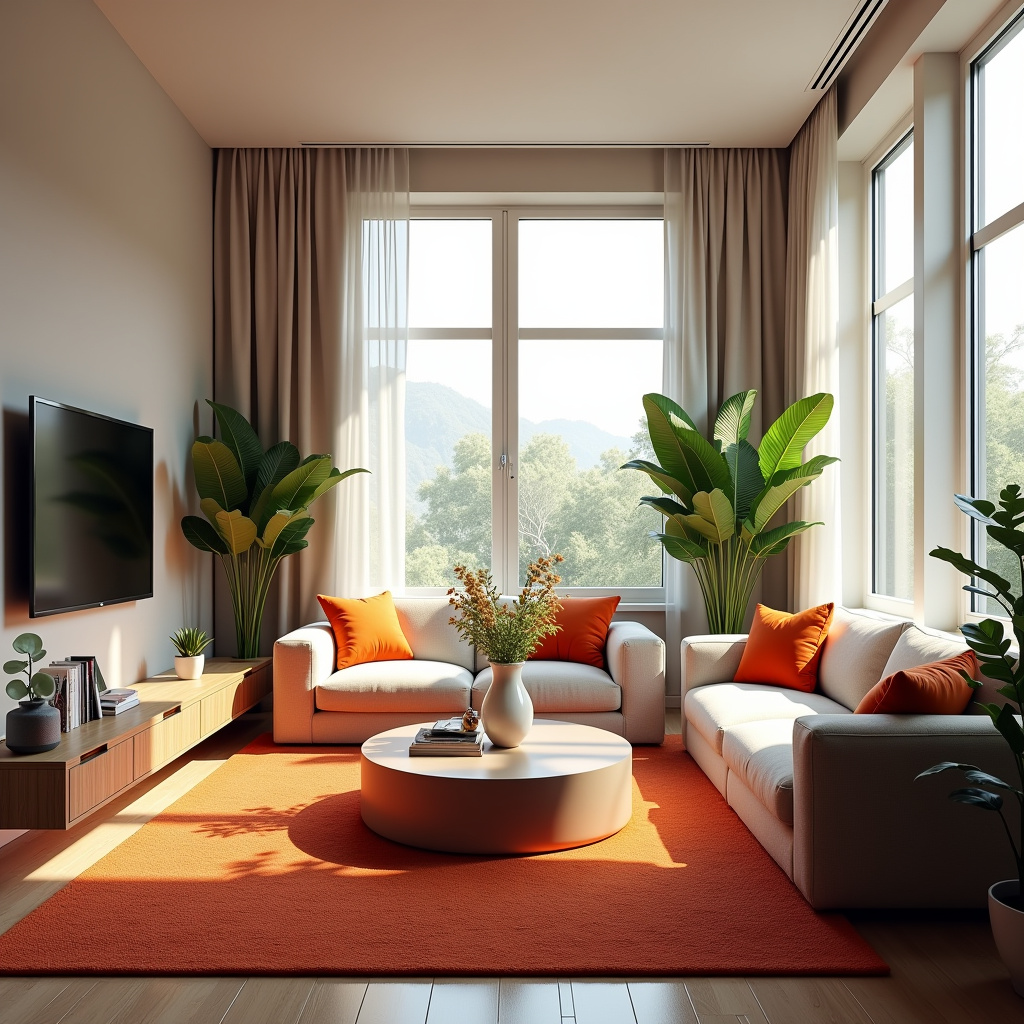
The layout changes based on the party’s focus.
For Teen Gatherings
If you’re planning teenager party themes at home, the layout needs to accommodate movement and perhaps a designated tech spot. Teens often prefer standing and chatting. Keep the food accessible but out of the way of the main activity area (like a gaming console or dance space).
For Elegant or Mystery Parties
If your theme is more structured, like an interactive murder mystery party kits night, you need a central "crime scene" or discussion area. Arrange seating in a large circle or horseshoe shape so everyone can see the key players (the actors/guests). Ensure there's a small side table nearby for note-taking materials.
Next Steps for Continued Learning
Once you have your layout mastered, you can focus on the fun details! If you’re looking for more inspiration:
- Budget Focus: Search for guides on cheap party decorations to maximize your impact without spending a fortune.
- Theme Deep Dive: Once you know where things will go, research specific low-cost birthday themes or unique elegant dinner party themes that fit your newly organized space.
- Checklists: Download a free party planning checklist to ensure you haven't forgotten crucial small details, like where to put the coats!
Conclusion: You've Got This!
Hosting a fantastic party in a small space is entirely achievable. It’s not about how much room you have; it’s about how smartly you use the room you do have. By focusing on clear zones, removing clutter, and prioritizing guest flow, you’ve already mastered the foundation of successful small space party layout ideas. Now go forth and host something spectacular!