4 Teenager Party Mistakes (And What to Do Instead)
Let’s be honest: planning a party—especially for teenagers—can feel like trying to herd cats through a glitter explosion. It’s exciting, but the pressure to get it just right often leads to a few predictable hiccups. Whether you’re planning a milestone birthday or just a fun weekend hangout, understanding common pitfalls can save you stress, money, and potential embarrassment. We’re diving deep into four major party ideas mistakes that hosts often make and, more importantly, giving you actionable fixes so your next event is a total success.
Why Do We Make Party Planning Mistakes?
Mistakes usually happen because we either overthink things or under-plan them. We see Pinterest perfection and aim for that unattainable standard, or we panic under pressure—especially if we're using a last minute party planning guide. It’s easy to forget that the goal isn't flawless execution; it's genuine connection and fun. Recognizing these patterns is the first step toward hosting a memorable bash.
Mistake #1: Over-Investing in Decorations and Under-Investing in Activities
This is perhaps the most common trap. Hosts often spend a huge chunk of their budget on elaborate themes, banners, and backdrops, only to have the teens spend the entire night staring at their phones.
The Mistake and Its Impact
The mistake is prioritizing aesthetics over engagement. You might spend a fortune on cheap party decorations that look great for 30 minutes but don't actually facilitate interaction.
Why it happens: We associate beautiful decor with successful events, especially when looking at inspiration for low-cost birthday themes.
The consequence: A visually stunning, yet ultimately boring, party where guests feel awkward and unengaged.
The Fix: Prioritize Interaction
Instead of blowing your budget on disposable decor, allocate funds toward activities that encourage mingling. If you’re planning teenager party themes at home, think about things that require participation.
What to do instead:
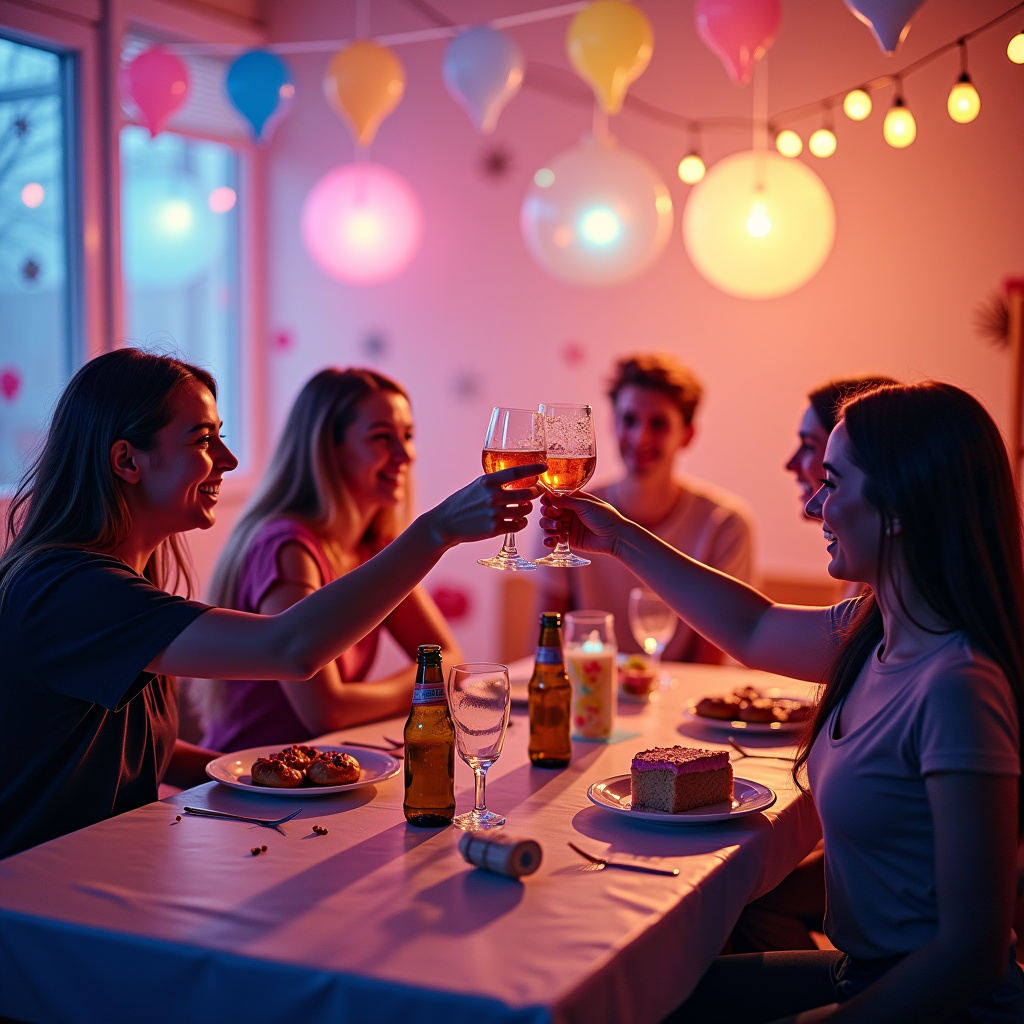
- DIY Entertainment Stations: Instead of one huge photo booth, set up several smaller, interactive stations. Think a customizable mocktail bar, a collaborative graffiti wall (using large paper), or a station for making personalized friendship bracelets.
- Low-Cost Games That Scale: For a big group, simple, fast-paced games work best. Consider setting up a tournament bracket for a card game or even a low-tech version of a scavenger hunt around the house. These activities are often more memorable than any streamer.
Mistake #2: Ignoring the Guest List Vibe Check
Throwing a party that appeals to you rather than the actual guests of honor is a recipe for disaster. This often happens when hosts try to force a theme that isn't age-appropriate or doesn't match the group's current interests.
The Mistake and Its Impact
The mistake is planning a party based on what you think teens should like, rather than what they do like. This is less common for adult events like a retirement party themes for men, but it plagues teen events.
Why it happens: A desire to relive one's own youth or a fundamental misunderstanding of current youth culture.
The consequence: Guests feel uncomfortable, unrepresented, and quickly look for an exit strategy.
The Fix: Consult the Experts (The Teens!)
The best party ideas come directly from the people attending.
What to do instead:
- The "Two-Option" Poll: If you’re planning a birthday, give the teen two or three distinct, pre-vetted themes (e.g., "Glow-in-the-Dark Dance Party" vs. "Cozy Movie Marathon with Gourmet Popcorn"). Let them choose.
- Theme Flexibility: If you are hosting a sophisticated gathering later, like an elegant dinner party themes event, ensure the entertainment matches the mood. If you need interaction, look into interactive murder mystery party kits—they work for teens and adults alike!
Mistake #3: Poor Space Management and Layout
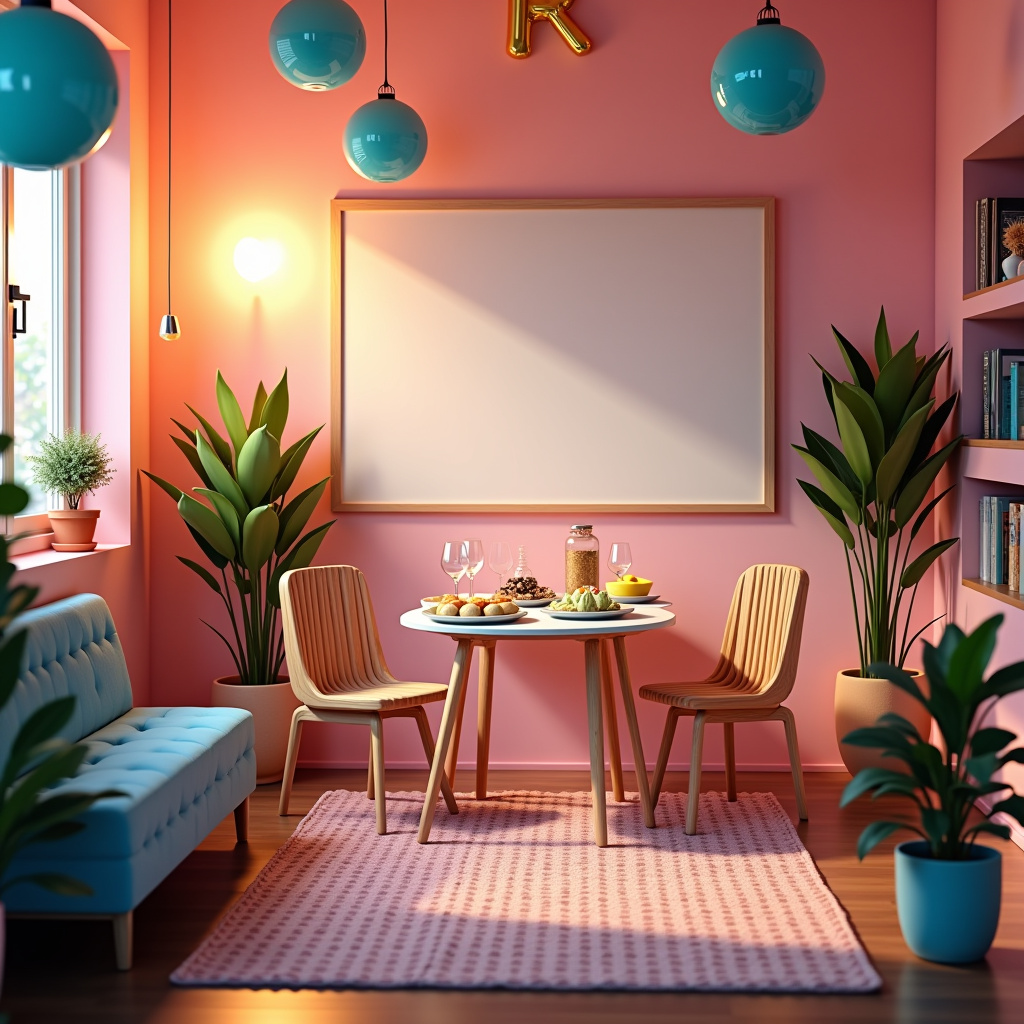
When you invite 20 people into a small living room, chaos is inevitable. This is a huge factor, whether you are planning a massive bash or just a small gathering.
The Mistake and Its Impact
The mistake is cramming too many people into too little space, leading to bottlenecks, awkward standing zones, and noise overload.
Why it happens: Optimism about how much space people actually need, or simply not knowing how to maximize a limited area. This is a common struggle when creating a small space party layout ideas guide for yourself.
The consequence: Guests cluster in one area (usually near the food), the energy becomes stifled, and conversations become impossible to hear over the din.
The Fix: Create Zones and Flow
Think about traffic flow. Where will people congregate, and where should the "quiet zones" be?
What to do instead:
- Decentralize the Food: Don't put the drinks and snacks in the same spot. Spread them out to encourage movement throughout the party space.
- Designated Activity Zones: If you have a game area, make sure it has clear boundaries. If you’re playing music, ensure the speakers aren't right next to the main seating area. For example, if you’re planning diy party games for adults like giant Jenga, place it outside or in a separate room so it doesn't block the main hallway.
Mistake #4: Over-Complicating the Food and Drink Situation
Food anxiety is real! Hosts often try to create elaborate, multi-course menus that are difficult to serve and expensive to procure, especially when teenagers have unpredictable appetites.
The Mistake and Its Impact
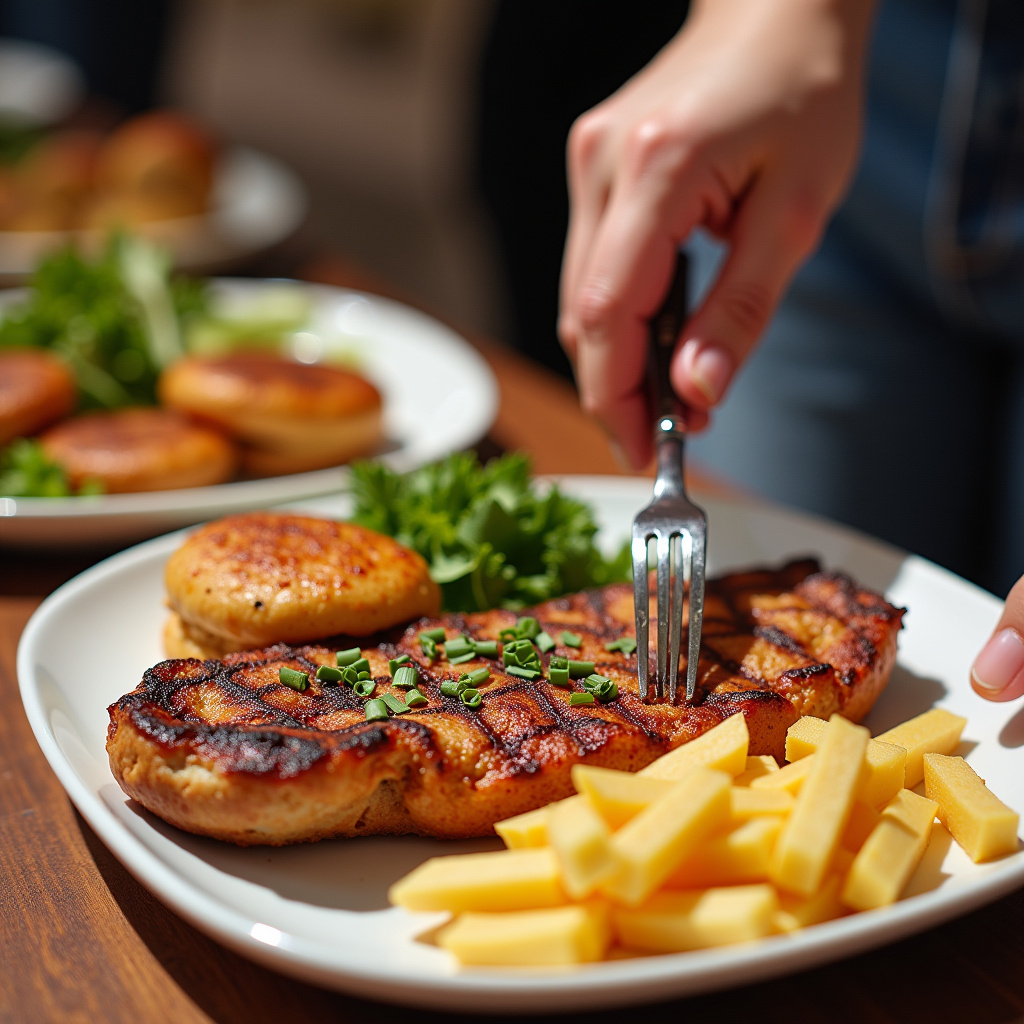
The mistake is prioritizing complex catering over easy-to-eat, crowd-pleasing options. This often applies even when planning specialized events; for instance, if you’re trying to create themed cocktail party menus but your guests are 16, you’re missing the mark.
Why it happens: Fear that simple food isn't "special" enough for a party setting.
The consequence: Food waste, stressed-out hosts who are stuck in the kitchen, and guests who end up grazing on chips because the main meal is too formal or difficult to manage while standing.
The Fix: Go Interactive, Keep it Simple
Food should be fun, accessible, and minimize host labor.
What to do instead:
- The "Build-Your-Own" Bar: This is perfect for any age group and any theme. Think taco bars, pizza stations, or even ice cream sundaes. This is much easier than managing individual plates.
- Embrace the Theme (Simply): If your theme is a spooky event, serve "Witch's Brew" punch (green soda and sherbet) instead of worrying about complex appetizers. If you’re planning a virtual party game ideas night, send simple recipe cards ahead of time for a shared snack like popcorn variations.
Prevention Strategies: Your Pre-Party Checklist
Avoiding these mistakes isn't about having more money or time; it’s about having a solid framework. Use this quick guide to self-diagnose before the big day:
- The Budget Reality Check: Before buying anything, allocate 60% of your budget to interaction/activities and only 40% to decor and food combined.
- The Vibe Check: Ask yourself: "If I were a 16-year-old, would I actually want to hang out here for three hours?" If the answer is no, adjust the music, the lighting, or the activity list.
- The Flow Test: If you have a free party planning checklist, use it to map out the space. Where is the entry point? Where is the bathroom? Ensure there are no dead ends where guests will feel trapped.
- The "Delegate Fun" Rule: Don't try to host and DJ and manage the photo booth. Assign a reliable friend or older sibling to be in charge of one specific activity—like running the trivia or managing the music queue.
Hosting Confidence: You've Got This
Planning any gathering, from a small house party to a large event needing detailed elegant dinner party themes, involves juggling many moving parts. The key takeaway is that fun is the only metric that truly matters. If you focus on creating opportunities for your guests to connect and enjoy themselves, a few slightly crooked streamers or slightly under-seasoned snacks will vanish into the background noise of a great time. Don't strive for perfection; strive for connection. Happy hosting!