Small Space Party Layout Ideas 101: Everything Beginners Need to Know
So, you want to throw a party. That’s fantastic! Maybe it’s a milestone birthday, a casual get-together, or even a low-key celebration for a retirement. But then reality hits: you live in a cozy apartment, not a sprawling mansion. Don't worry! Learning small space party layout ideas is the key to hosting a smashing success without feeling cramped. This guide is for absolute beginners who think they don't have enough room, time, or budget—we’re going to prove you wrong!
Welcome to Party Planning 101: You Can Do This!
Throwing your first party can feel overwhelming, especially when square footage is limited. But hosting isn't about having a massive ballroom; it’s about creating a great atmosphere and ensuring your guests have fun. Whether you're looking for party ideas for a small crew or need low-cost birthday themes, this guide will break down the essentials. We’ll cover everything from flow to décor, ensuring your small space feels spacious and inviting.
What Exactly is a "Small Space Party Layout"?
In simple terms, a small space party layout is the strategic arrangement of furniture, food stations, and traffic paths in a limited area to maximize comfort and functionality for your guests. Think of it like Tetris, but instead of blocks, you’re arranging people and snacks!
It means consciously deciding where the mingling happens, where people sit (if they sit at all!), and how guests access the bathroom or the bar without bumping into each other every two seconds. It’s about making smart choices so that your living room feels like a vibrant social hub, not a crowded hallway.
Why This Matters for Beginners
For beginners, understanding layout is crucial because a bad flow can ruin even the best party ideas. If your food table is blocking the doorway, guests will feel awkward hovering over their plates, and movement grinds to a halt. A good layout:
- Increases perceived space: It makes the room feel bigger than it actually is.
- Encourages mingling: People naturally gravitate toward well-placed activity zones.
- Reduces stress: You know exactly where everything goes, meaning less frantic rearranging right before guests arrive.
Essential Terminology Explained (No Jargon Here!)
Before we dive into arranging furniture, let’s quickly define a few concepts you’ll hear often:
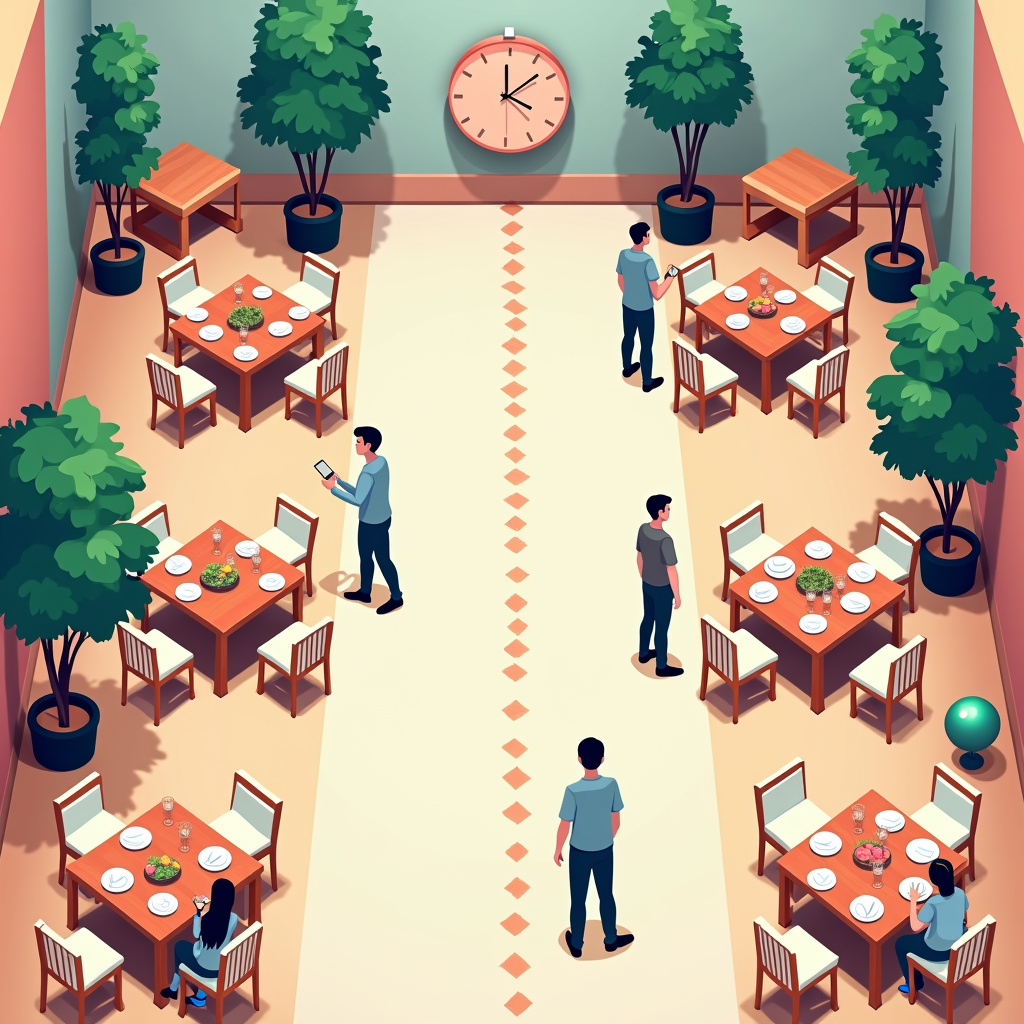
- Traffic Flow: This is the path people take through your party space. You want smooth, unobstructed lines of movement.
- Zoning: This means dedicating specific areas for specific activities (e.g., the "food zone," the "game zone," the "chill-out zone").
- Vertical Space: This is the space up! Using walls and high shelves for decoration or serving food saves valuable floor space.
Getting Started: Your First Steps to a Great Layout
Ready to map out your event? Start with these three essential steps. This framework works whether you are planning teenager party themes at home or an elegant dinner party themes night.
1. Take Inventory and Measure
Before moving anything, know your limits. Measure the room’s length and width. Then, look at what you must have in the room: the sofa, the dining table, etc. Take pictures. This visual reference is gold when you start planning.
2. Define Your Party’s Purpose (and Guest Count)
The layout changes dramatically based on the event. A sit-down meal requires different spacing than a standing cocktail reception.
- Cocktail/Mingling Party: Prioritize open floor space. Furniture should be pushed to the perimeter.
- Activity-Based Party (e.g., Murder Mystery): You need a central area for interaction. If you are using an interactive murder mystery party kit, ensure the main playing area is clear.
- Dinner Party: Focus on maximizing seating efficiency around the table, or use standing areas for buffet service.
3. The Furniture Shuffle: Create Zones
This is where the magic happens. In a small space, furniture is often the biggest obstacle.
- The “Float” Method: If possible, move bulky, non-essential furniture out of the main party area entirely (e.g., put the armchair in the bedroom for the night).
- Create Stations: Set up food and drinks in separate areas. This prevents bottlenecks. If you're doing a simple themed cocktail party menus, put the drinks station near the kitchen entrance and the snacks near the main seating area. This naturally guides people around the room.
- Use Vertical Space for Food: Instead of a massive buffet table that eats up floor space, use multi-tiered serving trays or floating shelves for appetizers. This is a fantastic trick when searching for cheap party decorations—a few attractive risers make a huge difference!
Common Beginner Layout Mistakes to Avoid
Even with the best intentions, beginners often trip up on a few common layout errors.
Mistake 1: The Central Food Magnet
Putting the food table dead center in the room is tempting because it feels like the focal point. However, it instantly creates a traffic jam. Guests cluster around the food, and no one can move past.
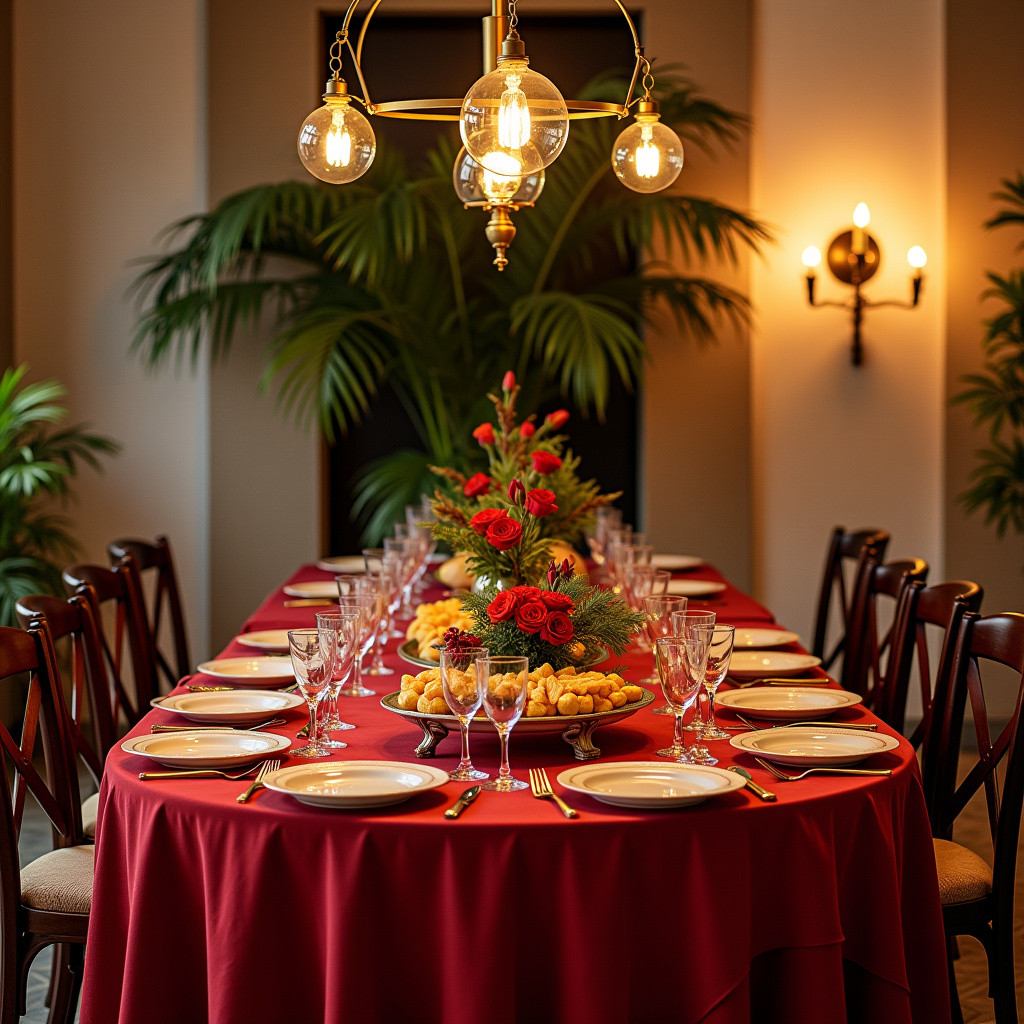
- The Fix: Place food against a wall, preferably near the kitchen entrance so people can easily grab refills, but far enough from the main seating area to allow flow.
Mistake 2: Forgetting the "Rest Stop"
People need places to set down drinks and plates, even if you’re aiming for a standing party. If you don't provide surfaces, guests will use your bookshelf or the floor!
- The Fix: Use small side tables, ottomans, or even sturdy crates wrapped in nice fabric as impromptu drink tables. If you're planning diy party games for adults, ensure there's a clear surface nearby for game components.
Mistake 3: Ignoring the Host’s Needs
If you, the host, can’t move easily, you can’t refresh drinks or chat with everyone. A rigid layout that traps you in one corner is a recipe for stress.
- The Fix: Ensure there is at least one clear, wide path that allows you to circulate quickly through all the zones.
Beyond Layout: Quick Tips for Small Space Success
Once the layout is set, a few other planning elements can enhance the vibe, especially if you're working with a tight budget.
Budget-Friendly Decor
Don’t let the small space fool you into thinking you need extravagant décor. Focus on ambiance. Use string lights—they instantly elevate any space. Balloons taped high on walls draw the eye upward, emphasizing height, not width. For cheap party decorations, think about lighting and music over expensive centerpieces.
Planning for All Contingencies
Even if you plan for an intimate gathering, having a backup strategy is smart. If your gathering is bigger than expected, having a last minute party planning guide ready helps. This might mean having chairs stacked neatly in a closet, ready to deploy if people suddenly want to sit down.
Don’t Forget the Digital Option
Sometimes, even the best layout can’t accommodate everyone. If you have friends who can’t attend, consider weaving in a small virtual party game ideas segment. A quick 15-minute online trivia session can make remote guests feel included without taking up physical space.
Common Beginner Questions Answered
Q: How much space do I need per person?
A: For a comfortable standing reception, aim for about 5–7 square feet per person. For a seated dinner, you need closer to 10–12 square feet per person. Use this as a guideline, but remember, tight quarters can feel cozy if the vibe is right!
Q: What if I have too many guests for my space?
A: This is where thoughtful party ideas come in. If you are having a retirement party themes for men that requires a lot of standing, perhaps the first hour is a casual "open house" style, where guests drift in and out, keeping the density manageable. Or, rotate activities so one group is outside or in a designated "quiet zone" while another group uses the main space.
Next Steps for Continued Learning
You’ve mastered the basics of small space party layout ideas! To keep the momentum going, focus on your next planning hurdle:
- Master the Menu: Research simple, single-serving food options that don't require elaborate plating. This minimizes table clutter.
- Create a Flow Map: Draw a simple bird's-eye view of your room and use arrows to show where people will walk. This visual aid is invaluable.
- Check Out Theme Inspiration: Now that you know how to arrange things, research themes that complement small spaces, like cozy board game nights or sophisticated cocktail hours.
Conclusion: Your Small Space is Your Secret Weapon
Don't let size intimidate you. Small spaces force creativity, and often lead to the most intimate and memorable gatherings. By mastering small space party layout ideas, you transform a potential problem into your greatest asset. Focus on clear pathways, smart zoning, and a welcoming atmosphere, and your guests will only remember how much fun they had—not how close they were standing to the coat rack! Happy hosting!