The Ultimate Guide to Blending Themes and Menus
Welcome, party planners! If you’ve ever stared at a stack of napkins, a pile of ingredients, and a vague idea of "fun," you know the secret sauce to a successful event lies in the seamless marriage of theme and food. This guide is your definitive resource for mastering the art of blending party ideas with cohesive, unforgettable menus. We’ll dive deep into everything from throwing a bash on a shoestring budget to orchestrating sophisticated soirées, ensuring every detail sings in harmony.
Executive Summary: Your Blueprint for Themed Success
This ultimate guide demystifies the process of creating a unified party experience. We cover the foundational steps of theme selection, how to translate abstract concepts into concrete décor and activities, and most importantly, how to design menus—from themed cocktail party menus to full dinner spreads—that perfectly complement your chosen atmosphere. Whether you’re planning a small gathering or a milestone celebration, this article provides actionable steps, budget-friendly tips, and advanced strategies to elevate your next event from ordinary to extraordinary.
Table of Contents Preview
- Fundamentals and Core Concepts: Why Theme Matters
- Building Blocks: Selecting and Defining Your Theme
- Menu Magic: Translating Theme into Edibles
- Budgeting for Brilliance: Low-Cost Themed Events
- Specialized Celebrations: Tailoring Themes for Specific Audiences
- Advanced Strategies: Creating Immersion and Flow
- Common Questions and Answers (FAQs)
- Tools, Resources, and Your Action Plan
1. Fundamentals and Core Concepts: Why Theme Matters
A theme is more than just a color scheme; it’s the narrative backbone of your party. It dictates the music, the lighting, the activities, and, crucially, the food presentation. Without a strong theme, your event risks feeling disjointed. When themes and menus align, guests experience true immersion, making the event memorable long after the last plate is cleared.
The synergy between theme and food is what separates a good gathering from a great one. Think about it: serving lukewarm pizza at an elegant dinner party theme simply won't cut it, just as overly complex canapés might feel out of place at a casual backyard BBQ.
2. Building Blocks: Selecting and Defining Your Theme
The first step is choosing a theme that resonates with your guests and the occasion. Don't just pick something trendy; pick something sustainable for the duration of your event.
Choosing the Right Vibe
Consider the formality, the venue size, and your budget when brainstorming party ideas. A theme needs flexibility.
- For Formal Events: Look to historical periods, classic literature, or specific color palettes (e.g., "Black and Gold Art Deco").
- For Casual Gatherings: Think about shared interests or locations (e.g., "Tropical Getaway" or "Favorite Movie Marathon").
If you are planning for a specific demographic, tailor your choices. For instance, retirement party themes for men might lean towards hobbies like golf, vintage cars, or travel destinations they’ve always dreamed of visiting.
Decor on a Dime
Decor sets the stage, and thankfully, it doesn't require breaking the bank. Mastering cheap party decorations is key to maximizing your budget for food and entertainment.
- Repurpose: Use items you already own. Books for a literary theme, board games for a game night, or travel souvenirs for an exploration theme.
- DIY Focus: Printables are your best friend. Custom signage, food labels, and even invitations can be designed cheaply and printed at home. Think about using natural elements like branches, leaves, or stones, which are often free!
3. Menu Magic: Translating Theme into Edibles
This is where the fun truly begins. Your menu should tell the story of your theme through taste, texture, and presentation. This requires creativity, especially when looking for low-cost birthday themes where the food needs to stretch further.
Thematic Naming and Presentation
Even simple food can feel elevated with creative naming. If your theme is "A Night in Paris," your cheese board isn't just a cheese board; it's Le Plateau de Fromage.
- Color Coding: If your theme is "Under the Sea," incorporate blues, greens, and whites into your food coloring (naturally, using blueberries or spinach powder) or use blue lighting over white food items.
- Interactive Food Stations: These double as entertainment. For a "Wild West" theme, a DIY chili bar encourages interaction.
Crafting Themed Cocktail Party Menus
For adult gatherings, the drinks often carry the theme. Developing themed cocktail party menus is essential for atmosphere.
For a "Roaring Twenties" theme, stick to classic gin or whiskey-based cocktails served in coupe glasses. For a "Fiesta" theme, offer variations on margaritas with infused syrups (like jalapeño or hibiscus). Remember to always offer compelling non-alcoholic options that follow the theme too—a "Virgin Mojito" is much better than plain sparkling water.
Case Study: The Murder Mystery Menu
When implementing interactive murder mystery party kits, the food should be thematically appropriate to the setting (e.g., 1920s speakeasy, Victorian manor). If the mystery takes place at a mansion, serve finger foods that feel slightly upscale but are easy to eat while mingling and interrogating suspects. Think mini quiches, deviled eggs, and shrimp cocktails.
4. Budgeting for Brilliance: Low-Cost Themed Events
Throwing a fantastic party doesn't require an unlimited budget. Many of the best low-cost birthday themes rely on imagination rather than expensive props.
Leveraging the Venue
If you have a small apartment, embrace it! A small space party layout ideas guide suggests focusing on vertical décor and utilizing multi-functional furniture. For a theme like "Cozy Hygge Night," use floor cushions, low tables, and lots of soft lighting—the small space naturally enhances the cozy feeling.
Free Planning Tools
Don’t overlook the power of organization. Utilizing a free party planning checklist ensures you don't forget crucial elements like RSVPs or allergies, saving you time and money later.
DIY Games for Adult Entertainment
Entertainment should also align. Instead of hiring entertainment, focus on diy party games for adults that fit your theme. For a "Spy Mission" theme, create a simple scavenger hunt using coded messages (easily made with free online cipher generators) hidden around the house.
5. Specialized Celebrations: Tailoring Themes for Specific Audiences
Different life stages and guest lists require specific thematic approaches.
Teenager Themes at Home
Teenager party themes at home need to be engaging, photo-worthy, and easily managed indoors. "Neon Glow Party" or "TikTok Dance Challenge Night" work well. The menu should be familiar but slightly elevated—think gourmet popcorn bars or personalized pizza stations rather than formal plated meals.
Retirement and Milestone Events
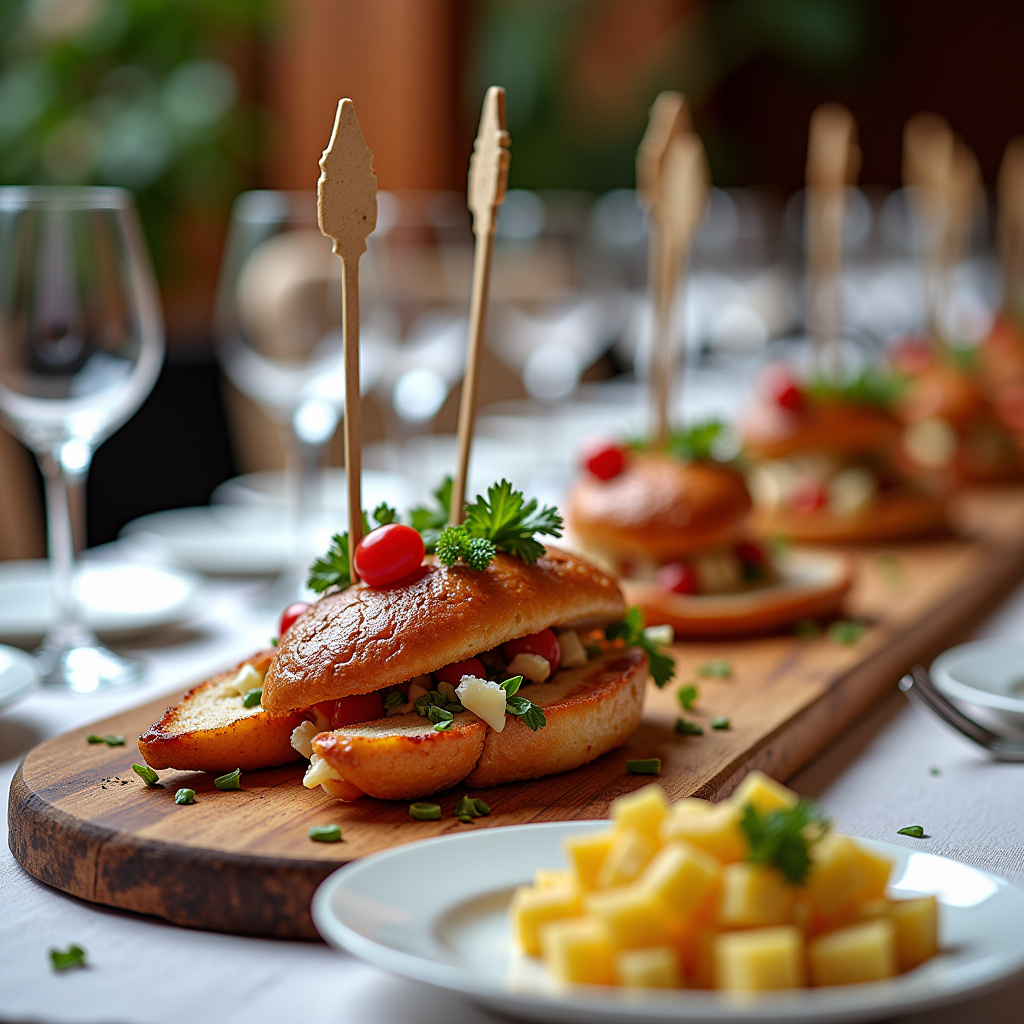
For retirement party themes for men centered around travel, the menu could feature small bites representing favorite destinations (e.g., mini tacos for Mexico, spring rolls for Asia). The key here is personalization and nostalgia.
6. Advanced Strategies: Creating Immersion and Flow
True immersion goes beyond simple decorations; it’s about sensory engagement throughout the event.
The Soundtrack of the Theme

Music is the invisible décor. Research period-appropriate music for historical themes or create playlists that subtly shift as the evening progresses (e.g., starting slow and mysterious for a murder mystery, then picking up the pace later).
Integrating Virtual Elements
If you're hosting a hybrid or fully digital event, ensure your theme translates. Developing strong virtual party game ideas is crucial. A virtual "Escape Room" theme can be executed entirely through shared screens and breakout rooms, with themed food kits mailed out beforehand to mimic the physical experience.
7. Common Questions and Answers (FAQs)
Q: How do I maintain a theme if I need to do last minute party planning guide?
A: Focus intensely on two main areas: lighting and food naming. Change the light bulbs to colored gels (red for drama, blue for cool), and use strong thematic labels on simple dishes. This provides the biggest visual impact with the least amount of time.
Q: What if my elegant dinner party themes clash with my small apartment space?
A: Choose themes that rely on verticality and ambiance over sprawling tablescapes. Think "Secret Garden" where hanging plants and fairy lights draw the eye up, or focus on an extremely formal, minimalist aesthetic that requires less physical space for props.
Q: Can I mix two themes?
A: Yes, but carefully! It works best when one theme is the setting and the other is the activity. For example, an "Elegant 1920s Dinner Party" (setting) featuring an interactive murder mystery party kit (activity) works well because the atmosphere supports the game.
8. Tools, Resources, and Your Action Plan
To ensure your next themed event is a success, start by downloading a free party planning checklist. Use online design tools for quick, professional-looking signage that supports your theme. For advanced menu execution, look into specialized resources for themed cocktail party menus specific to your chosen era or location.
Conclusion and Action Plan
Blending themes and menus is an art form that transforms hosting from a task into an experience. By focusing on narrative consistency, leveraging cheap party decorations, and thoughtfully designing your food presentation, you ensure every guest feels they’ve stepped into another world. Start small, prioritize immersion over extravagance, and watch your perfectly themed parties become legendary! Now, go forth and plan!