
Ditch the Junk: Why Homemade Dog Treats Beat Store-Bought Every Time
Let’s be honest. We love spoiling our dogs. A new toy, an extra long walk, and definitely, those crunchy little snacks we hand over as rewards. They look cute, they smell vaguely appealing (to us, anyway), and they're right there on the aisle endcap. Easy, right?
Wrong.
If you’re like me—a dog owner who spends way too much time researching the best orthopedic beds and non-toxic shampoos—you probably think you're buying the best you can afford when it comes to treats. But I’m here to tell you that the convenience of store-bought snacks often comes at a hidden, nutritional cost. It’s time we talked seriously about why making homemade dog treats is not just a fun weekend project, but a vital step in responsible pet ownership.
We're not talking about gourmet, celebrity-chef-level baking here. We’re talking about peace of mind.
Peeling Back the Label: The Mystery Meat of Mass Production
Have you ever picked up a bag of those brightly colored, bone-shaped biscuits and actually read the ingredient list? Go on, try it. I’ll wait.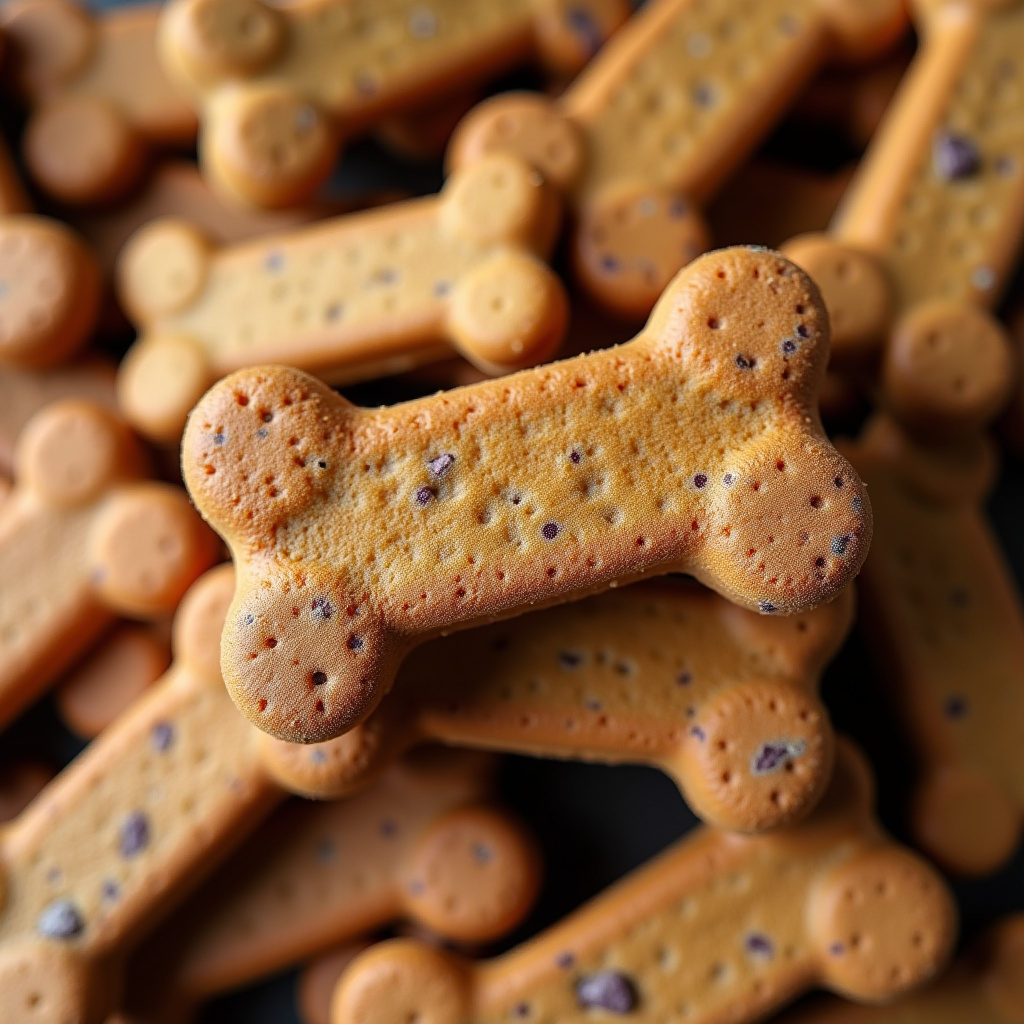
What you often find is a veritable chemical soup. Many large-scale commercial treats are packed with things your dog’s ancestors certainly never encountered. We're talking artificial colors—yes, the same reds and yellows that make human junk food look exciting—to make brown pellets look like "real" meat treats. Then there are the flavors, often synthetic enhancers that mask poor-quality core ingredients.
But the real worry? Preservatives. To keep those treats shelf-stable for two years sitting under fluorescent warehouse lighting, manufacturers rely heavily on chemicals like BHA, BHT, and ethoxyquin. These are compounds that, frankly, give me the serious heebie-jeebies when I consider feeding them to my best friend daily. We spend fortunes on premium kibble, only to undo all that good work with cheap, filler-laden rewards.
It’s frustrating, isn’t it? You trust the big brands, and then you realize they’re prioritizing shelf life over genuine canine health. We need control. We need transparency. And that’s exactly what stepping into the kitchen gives you.
The Nutritional Power of Real Food
When you decide to bake your own snacks, the ingredient list shrinks immediately—and for the better. Think about it: what does your dog actually need? Protein, fiber, maybe some healthy fats.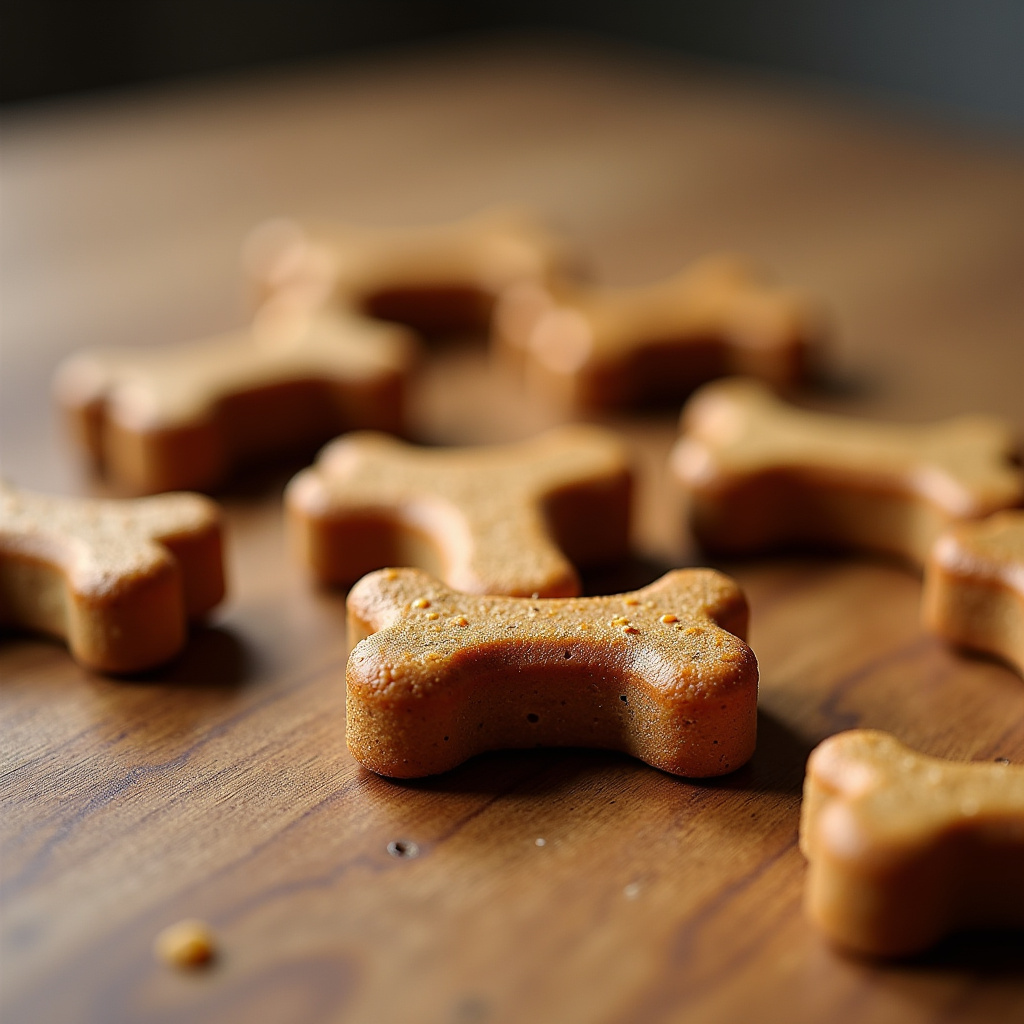
A simple batch of homemade dog treats might contain just four ingredients: oat flour (or whole wheat flour if your dog tolerates gluten), peanut butter (xylitol-free, obviously!), mashed banana, and an egg. That’s it. Whole, recognizable food items.
Compare that to a popular brand that lists "Meat By-Product Meal," "Corn Gluten," "Artificial Smoke Flavor," and then a whole alphabet soup of preservatives and coloring agents. Which one do you think is providing actual, usable nutrition? The answer is blindingly obvious.
When you make your own, you are guaranteeing a superior nutritional profile because you are the gatekeeper. You are choosing the high-quality protein source, the beneficial fiber, and skipping the empty calories derived from cheap corn or soy fillers that bulk up commercial products but offer minimal value. Homemade dog treats elevate snack time from a necessary evil to a genuinely beneficial part of their diet.
Tailoring the Taste: Customization is King
Here’s where homemade truly blows retail out of the water: customization.
Does your pup get itchy after eating chicken? Is he sensitive to grains? Does your senior dog need low-sodium options? Finding commercial treats that cater perfectly to these specific needs can feel like searching for a unicorn. You might find one wheat-free option, but maybe that one is full of potato starch you’re trying to avoid.
When you bake, you become the nutritionist.
Need grain-free? Swap the flour for chickpea or pumpkin puree. Worried about fat content? Use unsweetened applesauce instead of oil. Dealing with a true allergy? You know exactly what went into that batch because you put it there. This level of dietary customization isn't just a luxury; for dogs with chronic sensitivities, it's essential for managing their comfort and health long-term. It removes the guesswork and the worry every time you say, "Want a treat?"
It takes a little time, sure. Maybe 30 minutes on a Sunday afternoon to whip up a massive batch that lasts a couple of weeks. But think of that investment. You're not just saving money in the long run (though you often do!), you’re investing directly in your dog’s digestive health and longevity by controlling exactly what goes into their body.
So, next time you're tempted by that colorful bag on the shelf, remember what you’re really buying. If you value natural ingredients, transparency, and total control over your dog’s well-being—and I know you do—it’s time to preheat that oven. Your dog will thank you for trading the junk for the genuine goodness you can only find right there on your kitchen counter.