Elegant Dinner Party vs. Themed Cocktail Party Menus: A Complete Comparison
Planning a gathering is always exciting, but the first big hurdle is deciding on the vibe. Are you aiming for sophistication and sit-down conversation, or high-energy mingling centered around creative drinks? Deciding between an elegant dinner party and a themed cocktail party significantly impacts everything from your budget to your shopping list. This comparison dives deep into both styles, helping you choose the perfect format for your next event, whether you’re looking for party ideas for a milestone birthday or just a fun weekend get-together.
Introduction: Choosing Your Party Vibe
The fundamental difference between these two popular party ideas lies in structure. An elegant dinner party prioritizes a seated, multi-course culinary experience, often demanding more formal hosting skills. Conversely, a themed cocktail party focuses on mobility, unique drink recipes, and bite-sized food, allowing guests to circulate freely.
This guide is for anyone wrestling with this decision. If you’re stressed about a last minute party planning guide or trying to keep costs down (perhaps exploring low-cost birthday themes), understanding the commitment required for each format is key. We’ll compare them across critical factors like menu complexity, required space (small space party layout ideas are often better suited for cocktails), and overall guest experience.
Overview of Option 1: The Elegant Dinner Party
An elegant dinner party is the classic choice for celebrating milestones or impressing guests. Think crystal, linen tablecloths, and curated music. The focus is squarely on the food as the main event.
Menu Structure and Execution
Elegant dinner party themes usually involve three to five courses: an appetizer, soup or salad, a main entrée, and dessert. Preparation often requires significant advance work, especially if you’re tackling complex dishes like Beef Wellington or homemade pasta.
- Atmosphere: Formal, intimate, focused on conversation.
- Key Elements: Plated service, wine pairings, dedicated seating arrangements.
- Hosting Skill Required: High. Timing multiple dishes perfectly is crucial.
For those needing structure, having a free party planning checklist dedicated to dinner timing can be a lifesaver.
Overview of Option 2: The Themed Cocktail Party
Themed cocktail parties thrive on energy and creativity. They are inherently more casual and lend themselves brilliantly to specific aesthetics. Think of 1920s speakeasies or tropical luaus—the theme dictates the themed cocktail party menus.
Menu Structure and Execution
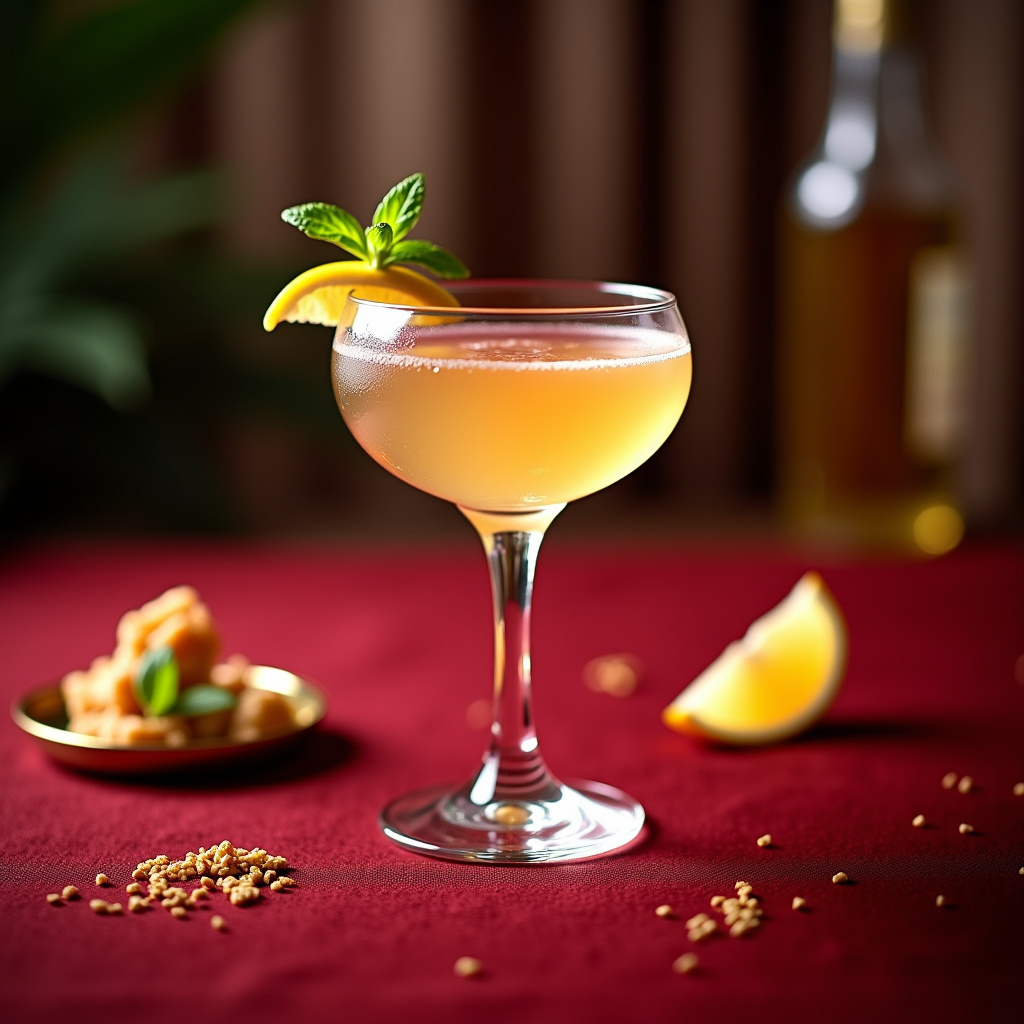
Food at a cocktail party is designed to be eaten while standing and mingling—think heavy hors d'oeuvres, canapés, and grazing stations. The drinks, however, take center stage. A strong theme often means signature cocktails that reflect the concept.
- Atmosphere: Energetic, social, fluid movement.
- Key Elements: Creative drinks, plentiful finger foods, interactive elements (like a photo booth or a game, perhaps even diy party games for adults).
- Hosting Skill Required: Medium. Focus shifts from timing courses to managing drink stations and food replenishment.
These parties are fantastic if you are brainstorming teenager party themes at home that require less formal seating, or even unique retirement party themes for men that encourage movement.
Feature-by-Feature Comparison: Dinner vs. Cocktails
To make this decision truly practical, let’s break down the differences across essential planning criteria.
| Feature | Elegant Dinner Party | Themed Cocktail Party |
|---|---|---|
| Menu Focus | Plated, multi-course, complex cooking | Bite-sized, grazing, drink-centric |
| Guest Interaction | Structured around the table; deeper conversation | Fluid, mingling encouraged |
| Space Needs | Requires adequate dining space for all guests | More forgiving; favors standing room |
| Preparation Time | High upfront cooking time | High upfront drink mixing/prep time |
| Formality Level | High | Medium to Low |
| Activity Integration | Minimal (maybe a formal toast) | High (music, themed games, virtual party game ideas if hybrid) |
Comparison Criteria Deep Dive
1. Features and Capabilities (The Experience)
If you want an experience that feels like an interactive murder mystery party kit, the cocktail format often wins because it naturally supports stations and role-playing. Dinner parties are better suited for intellectual discussions or intimate storytelling.
2. Pricing and Value Analysis
When looking at cheap party decorations, cocktail parties usually have a slight edge. While specialty liquor can add up, you avoid the cost of expensive cuts of meat or seafood needed for a formal main course. Furthermore, if you need low-cost birthday themes, a cocktail party menu focusing on themed dips and creative punch often stretches the budget further than a three-course plated meal.
3. Ease of Use and Last-Minute Planning
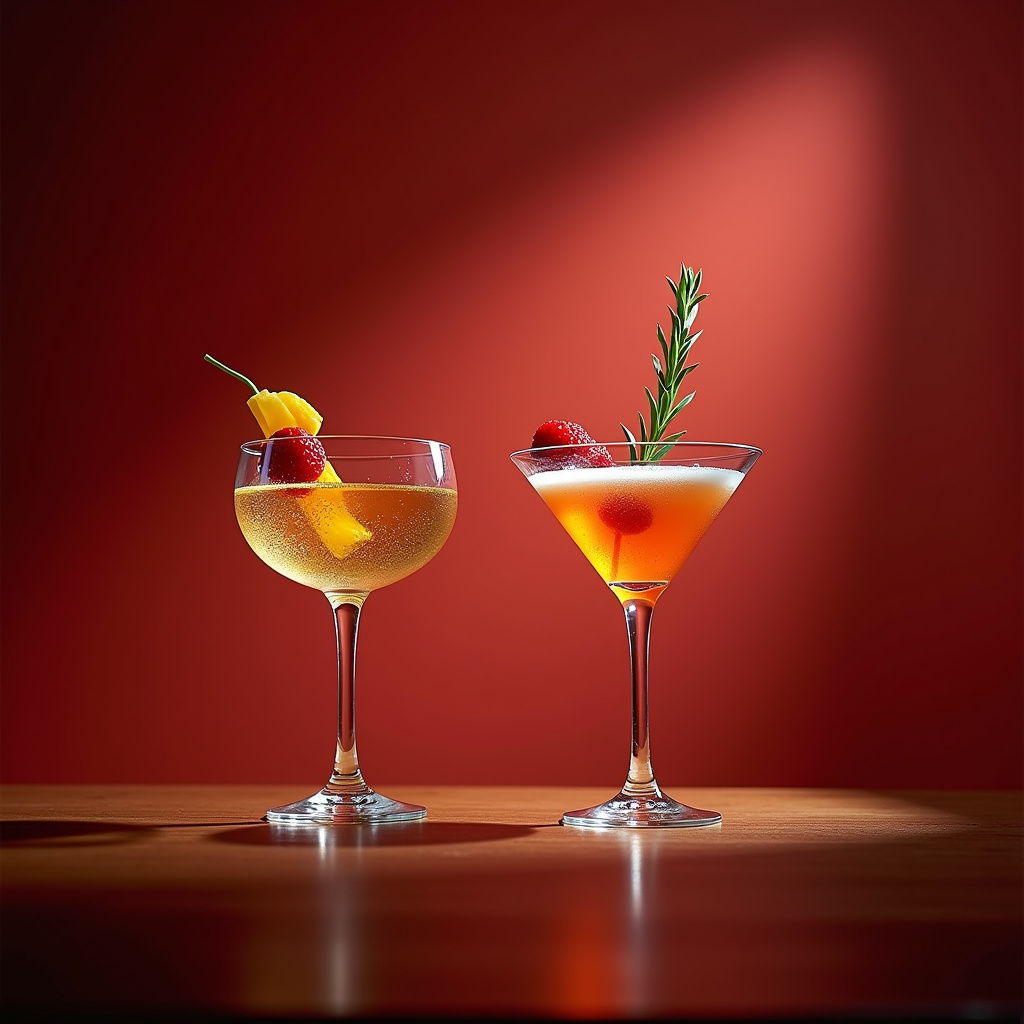
The dinner party demands precision. If you’re relying on a last minute party planning guide, baking a soufflé is probably not on the agenda. Cocktail parties are inherently more forgiving; if the shrimp skewers run out, you can quickly replenish them with cheese and crackers without disrupting the "flow."
4. Performance and Guest Satisfaction
Guest satisfaction heavily depends on expectations. A guest expecting a formal meal will be disappointed by canapés, and vice versa. Performance here is about meeting the established tone. A successful cocktail party is loud and vibrant; a successful dinner party is smooth and relaxed.
Pros and Cons Summary
Understanding the inherent strengths and weaknesses of each format is crucial for selecting the right one for your hosting style and guest list.
Elegant Dinner Party
Pros:
- Creates a deep sense of occasion and formality.
- Easier to manage dietary restrictions when courses are individually plated.
- Ideal for focused conversation and honoring individuals (e.g., toasts).
Cons:
- Requires significant kitchen time during the party.
- Less flexibility for guests who arrive late or need to leave early.
- Requires more formal seating and table settings.
Themed Cocktail Party
Pros:
- Excellent for mingling and networking; great for large groups in smaller spaces.
- The theme allows for fun, cheap party decorations that transform the space easily.
- Food can be prepared almost entirely in advance.

Cons:
- Can become loud and overwhelming if not managed well.
- Requires a substantial investment in diverse drink ingredients.
- Guests might leave hungry if you only serve light appetizers instead of substantial bites.
Best Use Cases: Which Party is Right for You?
To finalize your decision, consider why you are hosting.
Choose the Elegant Dinner Party If:
- You are celebrating an anniversary or major professional achievement: The formality matches the significance of the milestone.
- Your guest list is small (under 10): This ensures everyone fits comfortably at the table.
- You genuinely love cooking and plating: You want the kitchen work to be the highlight. This format perfectly complements sophisticated elegant dinner party themes like "Tuscan Evening" or "Black Tie Affair."
Choose the Themed Cocktail Party If:
- You want maximum mingling: Ideal for parties where guests might not all know each other well.
- You are hosting in a smaller or multi-purpose space: If your living room doubles as your dining room, cocktail tables work better than a fully set dining table.
- You want a strong, fun aesthetic: This format excels when you want a high-impact visual theme, like a "Gatsby" night or a "Tropical Escape," utilizing those vibrant themed cocktail party menus.
Final Verdict: Guidance for the Host
There is no superior format—only the format that best suits your goals, budget, and energy level.
If your priority is deep connection, structure, and showcasing your culinary prowess, embrace the elegant dinner party. Remember to utilize that free party planning checklist to manage your timeline!
If your goal is high energy, fluid socialization, and creative flair, lean into the themed cocktail party. Focus your efforts on mastering 2-3 signature drinks and providing substantial, easy-to-eat food. By balancing your expectations with the reality of hosting, you can ensure your next event—no matter the style—is a resounding success.