How to Blend Themes Using Cheap Decorations: A Step-by-Step Guide
Planning a party that feels cohesive, fun, and actually reflects your vision shouldn't require emptying your savings account. Whether you’re throwing a casual get-together, planning low-cost birthday themes for a milestone, or trying to nail down retirement party themes for men, the secret often lies in smart blending. Sometimes one theme just isn't enough, or perhaps you need to merge two seemingly disparate concepts—like "1920s Glam" with "Tropical Luau"—to create something truly unique. This guide will walk you through exactly how to blend themes using cheap party decorations to create a high-impact, low-budget celebration.
We’ll show you the practical steps to fuse two concepts seamlessly, making your décor look intentional rather than accidental. Get ready to unlock some incredible party ideas without the stress!
Prerequisites: What You Need Before You Start Blending
Before diving into the décor, you need clarity. Trying to blend themes without a solid foundation is like mixing paint without knowing the final color you want.
Here’s what you should have ready:
- The Two Chosen Themes: Be specific. Instead of "Movie Night" and "Paris," try "Classic Film Noir" and "Eiffel Tower Chic." Specificity makes blending easier.
- Your Budget: Be realistic about how much you can spend on cheap party decorations. This dictates whether you buy dollar-store items or rely heavily on DIY.
- A Basic Layout Plan: Even if you’re dealing with a tight space, sketch out where people will eat, mingle, and play games. This helps determine where your blended décor needs the most impact. If you need help organizing this, download a free party planning checklist to keep track of logistics.
Step-by-Step Instructions: Mastering the Art of Thematic Fusion
Blending themes successfully relies on identifying the common ground between your two chosen concepts and amplifying those shared elements through strategic, affordable décor. Follow these steps for a stunning result.
Step 1: Identify the Bridge Elements (The Overlap)

This is the most crucial step. Look at Theme A and Theme B and find the elements they share, either literally or conceptually.
- Example Fusion: Theme A is "Rustic Farmhouse," and Theme B is "Elegant Gold."
- Literal Overlap: Both might use wood textures (Theme A) and metallic accents (Theme B).
- Conceptual Overlap: Both suggest warmth, coziness, and a sense of established quality.
- Action: Make a list of 3-5 shared colors, textures, materials, or moods. These will become the backbone of your décor, ensuring the blend feels natural. For instance, if you are planning elegant dinner party themes, finding a shared color palette (like deep jewel tones) between your two chosen themes is key.
Step 2: Choose Your Dominant and Secondary Theme
You can’t give equal weight to both themes, or the result will be visual chaos. Decide which theme is the stage and which is the accent.
- Dominant Theme (The Base): This dictates the overall atmosphere, lighting, and major structural elements (like tablecloths or backdrops). If you are planning teenager party themes at home, maybe the Vaporwave Aesthetic is dominant, setting the neon mood.
- Secondary Theme (The Pop): This theme provides the specific details, small props, and interactive elements. In our example, Gold Elegance becomes the secondary theme, applied via gold-painted vases or charger plates on the rustic wooden tables.
Step 3: Allocate Your Cheap Party Decorations Strategically
Now, apply your budget based on the dominance established in Step 2. Focus your spending (even if it's just a few dollars) where the dominant theme needs support.
- Dominant Theme Décor: Use bulk, low-cost items here. Think construction paper, crepe streamers, or simple white string lights. If you’re planning a last minute party planning guide, relying on bulk items you already own is essential.
- Secondary Theme Décor: Use these elements as focal points. If your secondary theme involves specific iconography (like masks for a Venetian ball), only buy or make 3-5 high-quality versions rather than 20 mediocre ones.
Step 4: Create Thematic Zones (Small Space Solutions)
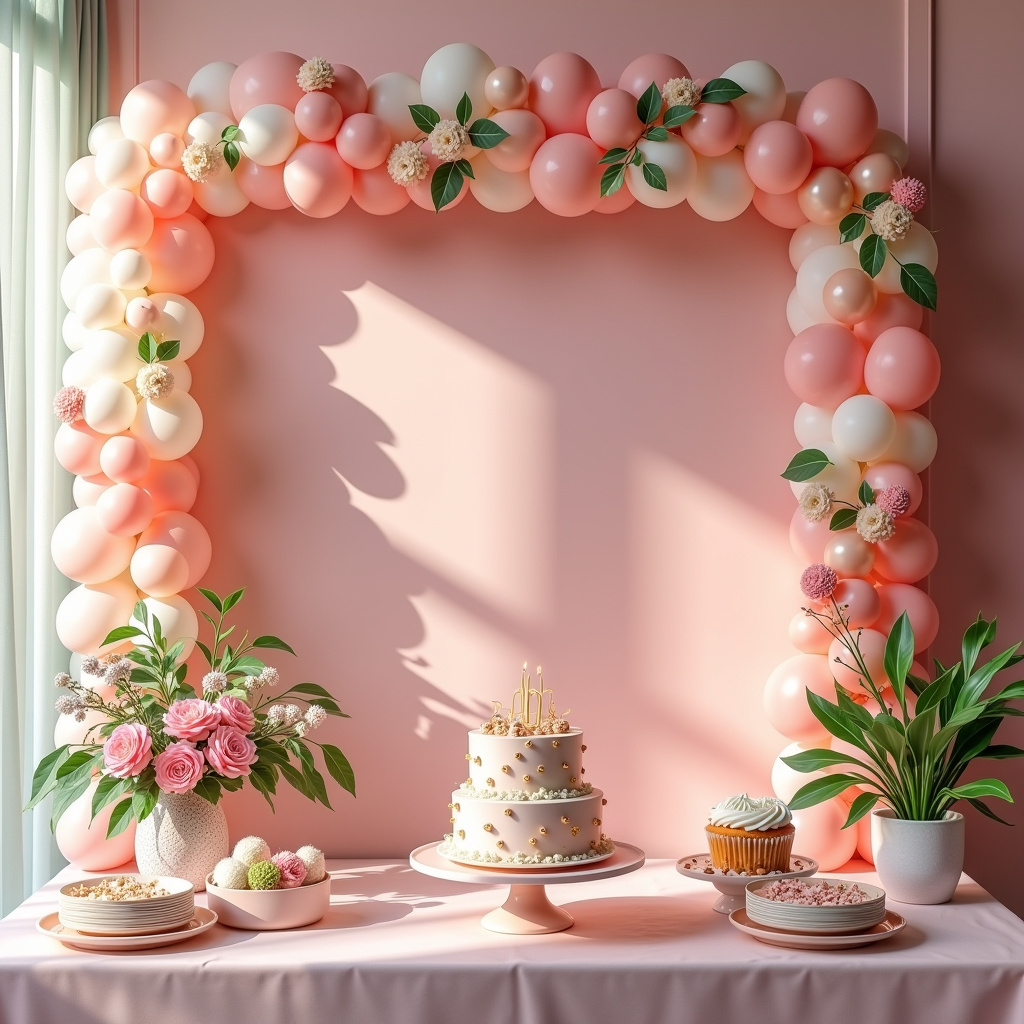
If you are working with small space party layout ideas, blending themes spatially is highly effective. Dedicate specific areas of the room to emphasize one theme over the other, using the bridge elements (from Step 1) as the transition point.
- Zone Example: For a "Noir Detective" meets "Tiki Bar" blend:
- Entrance/Coat Area: Heavily Noir—dark lighting, black and white accents.
- Bar Area: Heavily Tiki—bright paper lanterns, faux tropical leaves.
- Main Seating Area: Blend Zone—use wooden chairs (Rustic Bridge Element) but set the tables with black linens (Noir) topped with small, inexpensive pineapple centerpieces (Tiki).
Step 5: Integrate Interactive Elements and Activities
The blend should extend beyond the visual and into the guest experience. Activities are fantastic, affordable ways to reinforce a blended theme.
- Food & Drink: This is where themed cocktail party menus shine. Serve "Noir"-inspired dark cocktails alongside Tiki-inspired fruity appetizers.
- Games: If you are looking for diy party games for adults, adapt a standard game. For example, if you blended "Fantasy Kingdom" and "Space Opera," create a trivia game where the questions are about the lore of both fictional worlds. If you’re planning a virtual event, look into virtual party game ideas that allow for thematic costume changes.
Step 6: Use Lighting and Sound to Unify
Lighting and music are often free (or very low-cost) and are the ultimate glue for any theme, especially when blending.
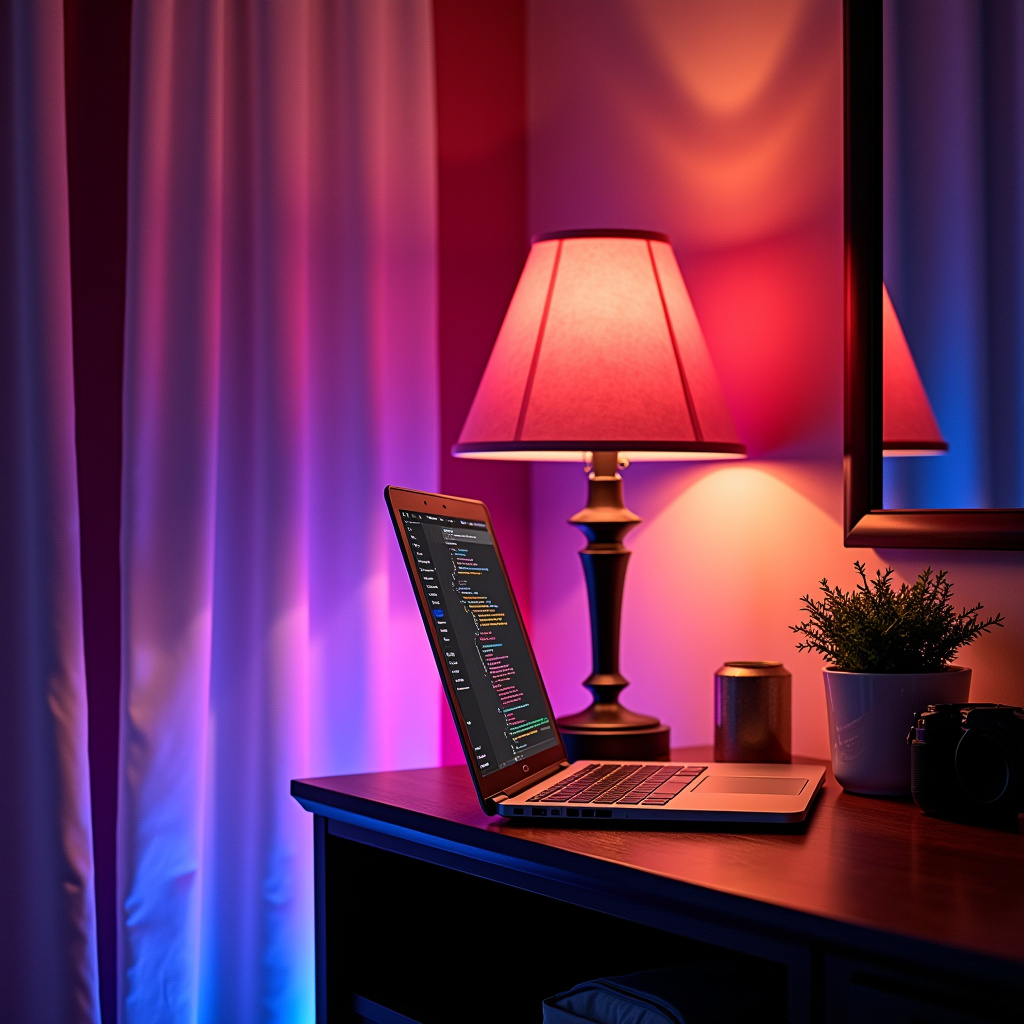
- Lighting: Use colored bulbs or inexpensive sheer fabric draped over lamps to cast the mood. If your themes are disparate (e.g., "Cyberpunk" and "Victorian Tea"), use dim, moody amber lighting (Victorian) punctuated by sharp, cool blue spotlights (Cyberpunk).
- Music: Create a playlist that transitions smoothly. Start with the dominant theme’s music and subtly weave in tracks that fit the secondary theme, ensuring a natural flow rather than jarring shifts. If you are hosting a mystery event, a subtle soundtrack can elevate even interactive murder mystery party kits.
Common Mistakes to Avoid When Blending Themes
While blending is fun, there are a few pitfalls that can turn your creative vision into a confused mess.
- The "Everything But the Kitchen Sink" Approach: Resist the urge to add a third or fourth theme. Stick strictly to A + B. More themes dilute the impact of the first two.
- Ignoring Scale: If your secondary theme is very visually busy (like bright florals), ensure the dominant theme's elements are large and simple (like solid-colored drapes) to prevent visual noise.
- Mismatched Quality: If you choose an elegant dinner party theme, don't cheap out on the elements representing that elegance. A single nice cloth napkin goes further than ten flimsy plastic forks trying to look fancy.
Expected Results: What Success Looks Like
When you execute these steps correctly, success looks like guests commenting, "Wow, I love how unique this is!" rather than asking, "What exactly is the theme here?"
Success means:
- Cohesion: Every element feels intentional, even if it’s a dollar-store find.
- Memorability: Guests will remember the specific, unique combination you created.
- Budget Adherence: You achieved a high-impact look without overspending on specialty décor.
Conclusion and Next Steps
Blending themes using cheap party decorations is an art form rooted in smart planning and strategic allocation of resources. By identifying bridge elements and dedicating your visual weight to a dominant theme, you can create something spectacular and personalized.
Ready to take the next step? Once you’ve mastered blending décor, consider next-level integration. Think about how you can adapt your blended theme into a specific activity. Could your "Noir/Tiki" blend inspire a unique signature cocktail recipe? Could you write a small, two-part narrative for your guests to solve throughout the evening? The possibilities are endless once you’ve built a strong, visually unified foundation!