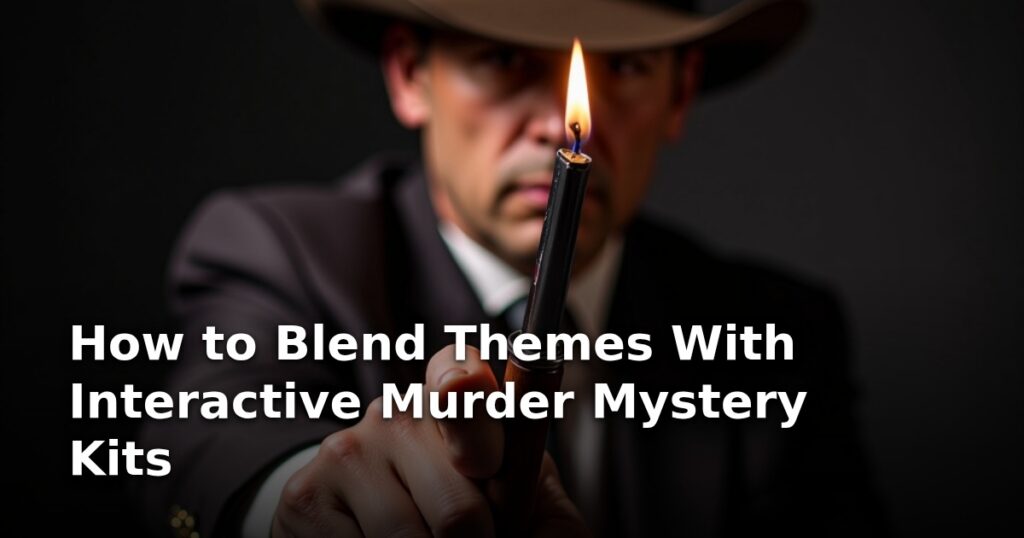
How to Blend Themes With Interactive Murder Mystery Kits: Elevating Your Next Party
So, you’ve decided on an interactive murder mystery party kit. Excellent choice! These kits are fantastic foundations for memorable nights, offering structure while allowing immense creative freedom. But what happens when you want more than just the standard "1920s Speakeasy" aesthetic? You blend themes! Learning how to successfully weave two distinct concepts together—say, a Gothic Romance with a 1980s Prom theme—can transform a fun evening into an unforgettable event. This guide will walk you through the practical steps of theme blending, ensuring your unique vision comes to life without descending into costume chaos.
Why Theme Blending Matters
Blending themes adds depth, originality, and replay value to your party ideas. It allows you to cater to diverse guest tastes or leverage existing decorations you already own. Whether you’re planning low-cost birthday themes or looking for unique retirement party themes for men, a blended approach gives you a competitive edge over standard party planning. Let's dive into the process.
Prerequisites and Requirements Before You Start Blending
Before you start sketching costume ideas, you need a clear foundation. Think of this as gathering your ingredients before you start cooking.
1. Know Your Core Kit Theme
First and foremost, thoroughly examine the interactive murder mystery party kit you purchased.
- Identify the Essential Elements: What are the non-negotiable aspects of the plot? Is it set in a specific year, location, or social class?
- Check Costume Requirements: Does the kit provide specific costume suggestions? Note these down as your baseline.
2. Select Your Secondary Theme Wisely
The secondary theme should complement, not completely overshadow, the primary theme. Consider your audience—are these teenager party themes at home or sophisticated elegant dinner party themes?
- Compatibility Check: If your core is "Space Opera," pairing it with "Victorian Etiquette" might be too jarring. Pairing it with "Cyberpunk" is much more manageable.
- Resource Availability: Do you already own items related to the secondary theme? This is crucial if you are aiming for cheap party decorations.
3. Establish Your Budget and Guest List
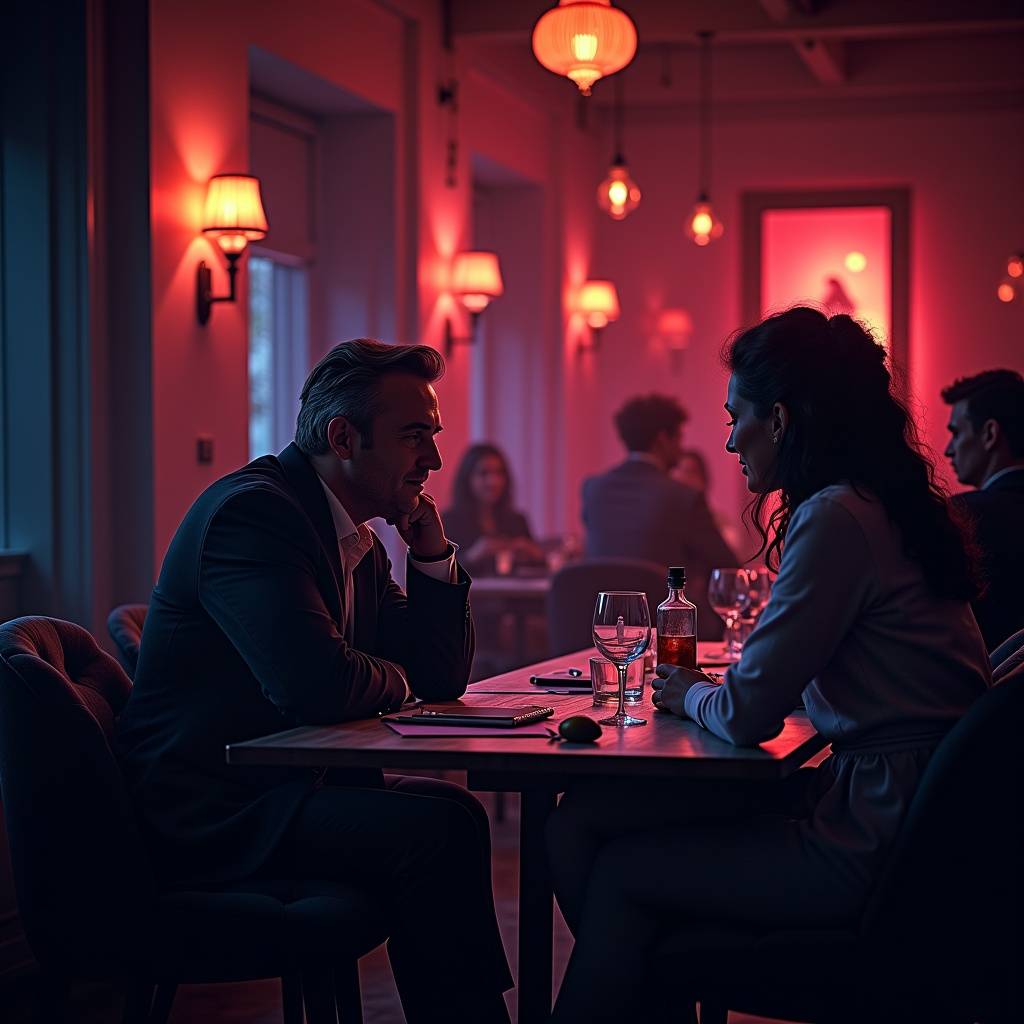
This dictates how elaborate your blending can be. A large budget allows for custom props; a small budget means relying on clever DIY solutions and last minute party planning guide hacks.
Step-by-Step Guide: How to Blend Themes Successfully
Follow these steps sequentially to ensure a cohesive, blended experience.
Step 1: Define the "Blending Bridge"
This is the most critical conceptual step. You need a narrative element that logically connects Theme A (The Kit) and Theme B (Your Addition). This bridge justifies the mashup.
- Example A (Gothic Romance + 1980s Prom): The Bridge: "A cursed royal ball held annually in the 1980s where the spirits of doomed lovers manifest."
- Example B (Wild West + Film Noir): The Bridge: "A smoky saloon in 1940s Hollywood where a private investigator is tracking a notorious outlaw."
Action: Write a one-sentence justification for your blend. This sentence will guide all subsequent decisions.
Step 2: Prioritize Visuals: Decor and Ambiance
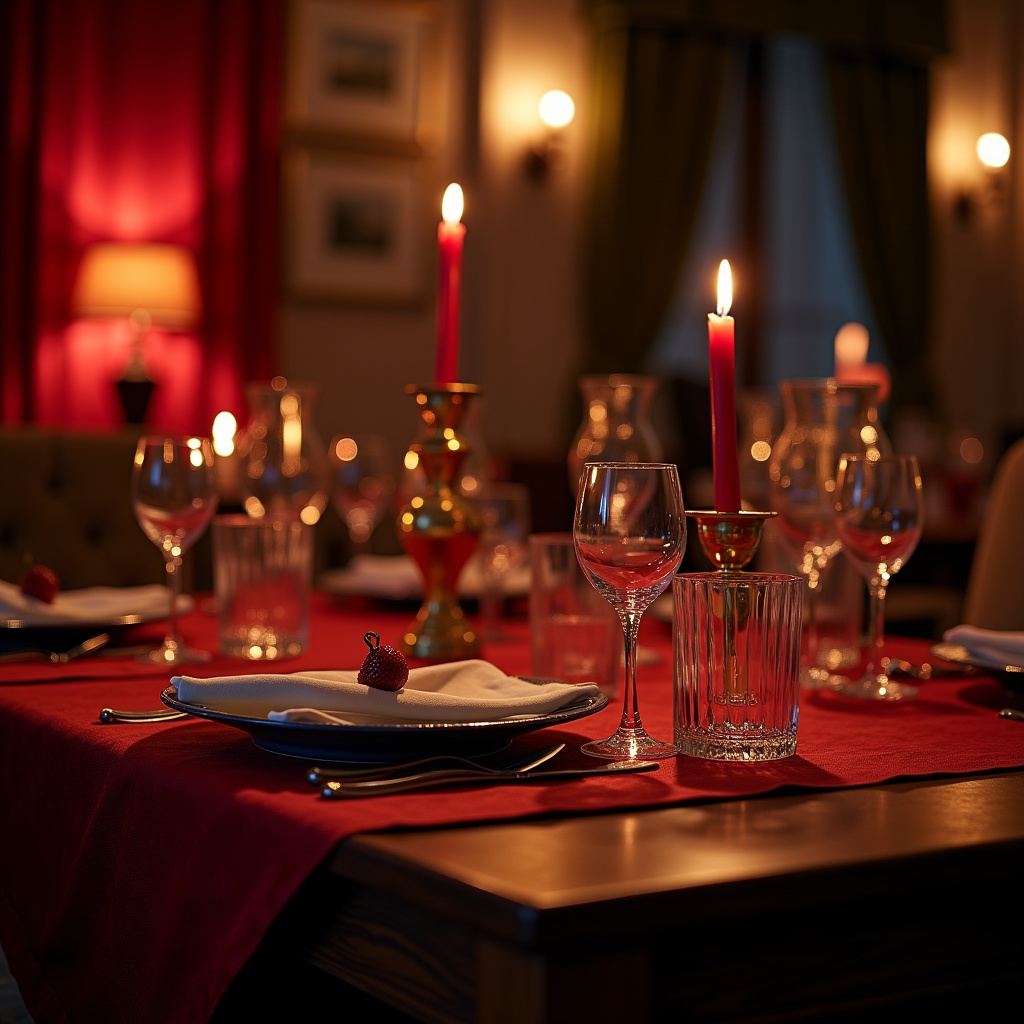
Decorations are the easiest way to signal the blended theme immediately. Use your secondary theme primarily for ambiance, keeping the core kit theme for the functional elements (like character name tags).
- Use the 70/30 Rule: Let 70% of the decor reflect the core kit theme (e.g., the table settings for an elegant dinner party themes kit) and 30% reflect the secondary theme (e.g., neon lighting or 80s posters hung subtly in the background).
- Small Space Solutions: If you are dealing with a small space party layout ideas, focus on lighting and scent. Use black lights and fog machines (secondary theme) alongside antique candelabras (core theme).
Step 3: Integrate Menu and Drinks
Food and drink are fantastic, low-stakes areas to play with blending. This is where you create a fantastic themed cocktail party menus.
- Themed Cocktails: Name drinks based on the blend. If your core is a 1920s kit and your secondary is Sci-Fi, serve a "Martini Nebula" or a "Flapper Fusion."
- Food Presentation: Serve food appropriate to the core theme (e.g., finger sandwiches for a Victorian kit) but use modern or futuristic serving dishes (secondary theme) to present them.
Step 4: Guide Guest Costumes (The Tricky Part)
Costumes must signal both themes without becoming overwhelming or confusing. Provide clear guidance in your invitation.
- Offer Options: Instead of demanding a perfect blend, offer two paths: "Dress for the 1920s, but incorporate one 80s accessory (e.g., neon gloves)," OR "Dress 80s Prom, but use dark makeup and lace appropriate for a tragic romance."
- Character Integration: If possible, adapt the character descriptions in the kit. If Character A is "The Heiress," rename them "The Neon Heiress" and suggest appropriate attire. This is particularly useful for diy party games for adults where customization is key.
Step 5: Adapting Clues and Narrative Elements
If your blending is deep, you might need to slightly tweak the provided materials. Be cautious here, as over-editing can break the mystery.
- Focus on Flavor Text: Change introductory paragraphs or background story flavor text to incorporate the secondary theme, leaving the actual clues (names, locations, motives) untouched.
- Prop Adaptation: If a clue mentions a "pocket watch," and your secondary theme is cyberpunk, perhaps the character carries a "bio-scanner" instead, but the function of the prop remains the same.
Step 6: Consider Virtual Adaptations (If Applicable)
If you are running this as a hybrid or virtual party game ideas, blending is even easier digitally.

- Zoom Backgrounds: Use a primary background matching the kit theme and overlay subtle secondary theme elements (e.g., a star field behind a gothic castle image).
- Music Playlists: Alternate playlists between the two eras/themes during breaks or mingling time.
Common Mistakes to Avoid When Blending Themes
Blending themes sounds fun, but a few missteps can lead to a confusing mess rather than a cohesive party.
- Over-Complicating the Bridge: If your justification for blending requires a 10-minute explanation, it’s too complex. Keep the "why" simple and intuitive.
- Ignoring the Core Kit Mechanics: Never change the core mystery mechanics, motives, or primary character alignments provided in the interactive murder mystery party kits. The blend must serve the game, not undermine it.
- Budget Overrun: Blending often tempts hosts to buy more decorations. Stick strictly to your budget by reusing items and focusing on high-impact, cheap party decorations that bridge the gap (like colored lighting or specific music choices).
- Confusing Guests: If guests don't understand what they are supposed to be, they won't commit to character. Clear, concise instructions are vital, especially for younger crowds or teenager party themes at home.
Expected Results: What Success Looks Like
When you successfully blend themes, your party will achieve a unique atmosphere that feels intentional and layered.
- High Engagement: Guests will be excited by the novelty and will likely play their characters with more enthusiasm because they have more creative leeway in their costumes and dialogue.
- Photogenic Moments: You will have unique photo opportunities that tell a story—a flapper wearing neon leg warmers, or a cowboy sipping a glowing blue cocktail.
- Positive Feedback: Guests will remember your event specifically because it wasn't just "another 1920s mystery."
Conclusion and Next Steps
Mastering theme blending transforms you from a party host into a party designer. By following these steps—defining your bridge, prioritizing visuals, and managing guest expectations—you can create a truly bespoke experience using readily available interactive murder mystery party kits.
For your next event, try taking an existing free party planning checklist and adding a dedicated "Theme Blend Justification" section. Once you’ve conquered a simple two-theme blend, challenge yourself to incorporate a third, subtle element—perhaps a specific color palette or a recurring piece of music that ties the whole evening together!