How to Design Killer Interactive Murder Mystery Party Kits
So, you’re ready to ditch the boring board games and move on to something truly memorable? Designing your own interactive murder mystery party kits is the secret sauce to hosting unforgettable events, whether it’s for a milestone birthday, a sophisticated gathering, or even a fun retirement party themes for men. Forget relying on pre-made, often stale kits; crafting your own allows you to tailor the theme, difficulty, and even the budget to your exact needs. This guide will walk you through the exact steps to create a compelling, immersive experience that your guests will be talking about for years.
Why Design Your Own Kits?
While buying pre-made solutions is quick, designing your own means you control the narrative, the quality, and the cost. You can perfectly match the theme to your elegant dinner party themes or create something perfectly silly for a low-cost birthday themes celebration. Plus, the satisfaction of watching your friends unravel a mystery you created is unbeatable!
Prerequisites: What You Need Before You Start
Before you dive into writing character bios, get a few foundational elements sorted out. Think of this as your free party planning checklist foundation.
- Determine Your Guest List & Venue Size: How many people are playing? This dictates the number of characters you need. Are you hosting in a cramped apartment or a large space? This affects your small space party layout ideas and how much clue movement you can incorporate.
- Choose Your Core Theme & Time Period: This is crucial. Are we talking 1920s speakeasy, a futuristic space station, or a modern celebrity scandal? Stick to one cohesive era for easier costume and decor planning (which helps when looking for cheap party decorations).
- Set the Budget: Are you aiming for ultra-low cost, or are you splurging on elaborate props? Knowing this helps you decide if you need complex physical clues or if you can rely more on dialogue and virtual party game ideas elements if some guests can't attend in person.
Step-by-Step: Crafting Your Interactive Murder Mystery Party Kits

Designing the kit involves careful world-building, plotting, and packaging. Follow these steps sequentially for the best results.
Step 1: Establish the Crime and the Setting
Every mystery needs a victim and a motive. Keep it simple to start.
- The Victim: Who died and why should anyone care? Make the victim someone who has secrets or conflicts with everyone invited.
- The Motive Pool: List 3-5 potential motives (e.g., jealousy, money, revenge, hiding a secret). These motives will drive the character secrets later.
- The Setting: Lock down the location and time. If you’re planning a party for teens, perhaps a high school drama fits better than a historical royal court (great for teenager party themes at home).
Step 2: Develop Your Cast of Characters (The Suspects)
This is where the interaction truly begins. You need enough characters for your guest count, plus one designated Murderer.
- Assign Roles: Create slightly more characters than you have guests, just in case someone bails last minute. Ensure every character has a strong reason to be at the location and a potential connection to the victim.
- Define Secret Agendas: Crucially, not everyone knows they are a suspect, and not everyone knows the full story. Give each character:
- A Public Objective (e.g., "Get the recipe from the Chef").
- A Secret Objective (e.g., "Find the hidden bond certificate").
- A Secret Connection to the Victim (e.g., "I owe the victim $5,000").
- Designate the Murderer: The murderer must have a secret objective that overlaps with the motive for the crime and a secret way to frame someone else.
Step 3: Plotting the Narrative Arc and Clue Drops
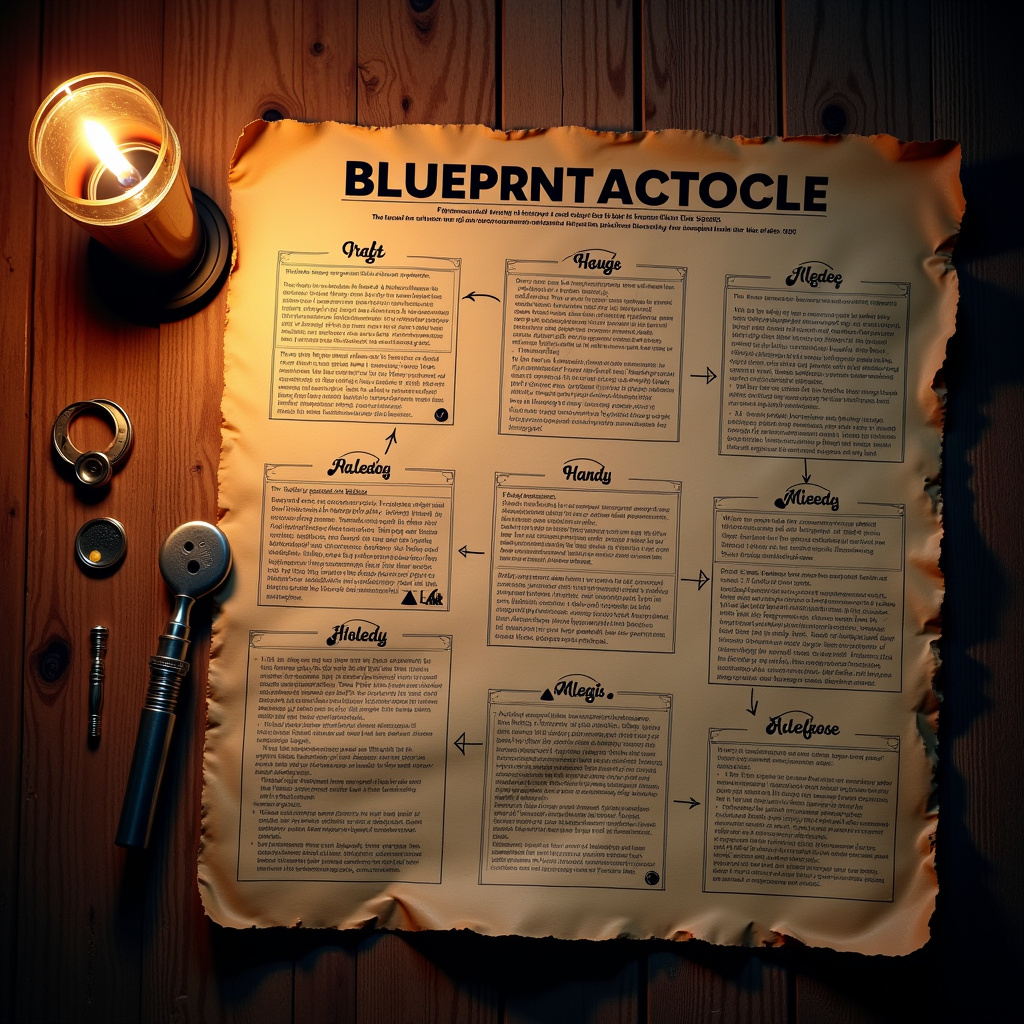
This is the blueprint for the evening. You need structured rounds of interaction. A typical 3-hour game works well with 3 rounds.
- Round 1: Introduction & Initial Interrogation. Distribute initial character packets. Guests mingle, introduce themselves, and try to achieve their public objectives. Clues revealed here should be vague.
- Round 2: The Mid-Game Revelation. Introduce a major plot twist. This could be a physical clue (like a torn letter found under a chair) or a timed announcement (e.g., "The police have just confirmed the poison used was X"). This is a great time to introduce diy party games for adults elements if you want a structured break.
- Round 3: Accusation and Final Evidence. Guests use the information gathered to finalize their accusations. Distribute final "evidence" packets that directly point to the killer or confirm the murderer's secret.
Step 4: Creating the Kit Components (The Physical Elements)
Now, translate your plot into tangible items for your interactive murder mystery party kits.
- Character Packets: Print clear role sheets. Include: Name, background, objectives, costume suggestions, and what information they can reveal (and what they must keep secret).
- Clues: Design physical props. These don't need to be expensive. Use aged paper (soak paper in weak tea), seal wax (use hot glue sticks and a stamp), or simple props related to the theme. For a last minute party planning guide scenario, use printed photos with hidden writing on the back.
- Solution Envelope: Create one sealed envelope containing the full solution—who did it, how, and why. This is only opened at the very end.
Step 5: Packaging and Distribution
How you present the kit impacts the immersion.
- Theme the Packaging: Use simple manila envelopes or small boxes decorated according to your theme. If it's a spy theme, use plain brown paper bags sealed with tape labeled "TOP SECRET."
- Pre-Assign Roles: If possible, mail or hand-deliver the specific character packets to guests ahead of time. This gives them time to prepare costumes and read their backstory—essential for buy-in! If you’re doing a digital kit, send password-protected PDFs.
Common Mistakes to Avoid When Designing Kits
Even the best plots can fall flat if you ignore these pitfalls.
- The Ambiguous Killer: If the clues are too vague, or if everyone has an equal chance of being the killer, the reveal feels anticlimactic. Ensure the murderer has specific clues pointing to them that only become clear in Round 3.
- Over-Complicating the Motives: If your guests are new to mysteries, too many competing motives will cause confusion rather than intrigue. Stick to one primary motive that branches into secondary conflicts.
- Forgetting About Non-Actors: What if someone just wants to observe or doesn't like role-playing? Ensure there are simple ways for them to participate, perhaps acting as the designated "Forensics Expert" who manages the physical clues, or by being given a few key questions to ask everyone.

Expected Results: What Success Looks Like
A successful interactive murder mystery kit results in active engagement. Guests should be:
- Mingling Constantly: They shouldn't be sitting down eating unless it’s a structured dinner portion of the game.
- Asking Targeted Questions: They are actively trying to leverage their secrets against others.
- Costumed and In-Character: Even if the costumes are simple, immersion is key.
When the final accusation is made and you open that solution envelope, the ensuing "Aha!" or "I knew it!" from the group confirms your hard work paid off.
Conclusion and Next Steps
You now have the framework to design truly interactive murder mystery party kits. Start small with a single-night event, perhaps using a themed cocktail party menus to enhance the atmosphere.
For advanced designers, consider making your kit hybrid. If you have guests who can only join virtually, integrate virtual party game ideas by creating a dedicated chat channel where they can exchange evidence digitally, making your kit adaptable for any situation. Happy sleuthing!