
Party Ideas Trends for 2027: Beyond Low-Cost
Welcome to the future of celebrations! If you’re planning an event—whether it’s a milestone birthday, a corporate gathering, or just a fun weekend get-together—understanding the emerging party ideas trends for 2027 is crucial. For too long, the conversation around hosting has been dominated by frugality, focusing heavily on cheap party decorations and scrambling with a last minute party planning guide. While budget consciousness remains important, 2027 signals a significant shift toward meaningful investment, deep personalization, and highly immersive experiences. This article breaks down where the industry is heading and how you can stay ahead of the curve.
The Shifting Landscape: From Budget to Bespoke
The post-pandemic and current economic climate have created a fascinating dichotomy in event planning. On one hand, many still rely on low-cost birthday themes to manage expenses. On the other, there’s a palpable hunger for experiences that break the mold of the standard gathering. People are willing to spend more on fewer, better-curated events. This isn't about extravagance for its own sake; it’s about maximizing emotional ROI. We are moving away from volume and toward vibrancy.
This analysis focuses on three major emerging trends that define the next few years of entertaining, moving decisively beyond the basic need for cheap party decorations and toward curated, memorable moments.
Trend 1: Hyper-Personalized Immersive Narratives
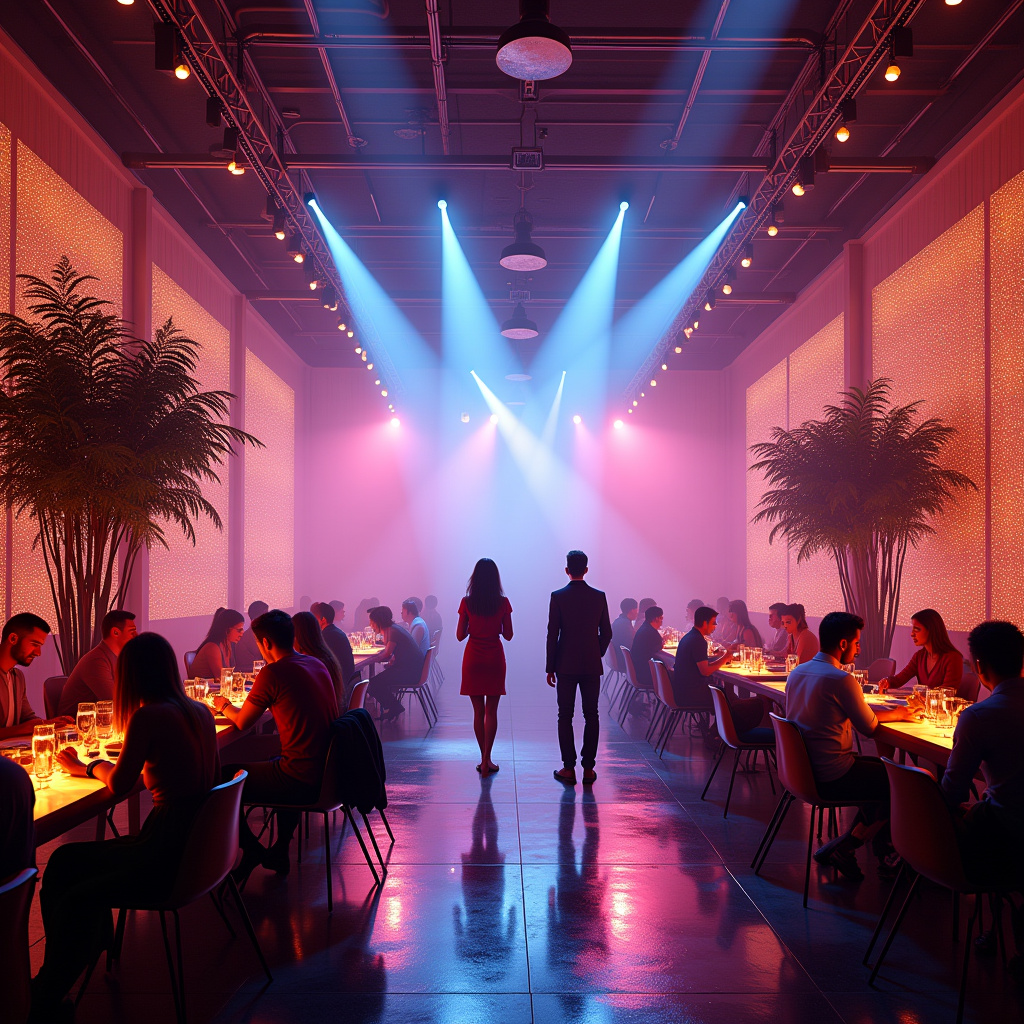
The biggest trend dominating 2027 is the demand for events that feel less like parties and more like bespoke theatrical productions centered entirely around the guest of honor or the theme itself.
What the Trend Is
This involves integrating storytelling, multi-sensory elements, and deep customization. Think less "Hawaiian Luau" and more "A Night in 1920s Shanghai, where the guest of honor is the missing diplomat." This applies equally to milestone celebrations, such as unique retirement party themes for men that reflect their entire career journey, or even sophisticated elegant dinner party themes.
Evidence and Why It's Emerging
Data from event tech firms suggests a 40% increase in bookings for custom-built environments compared to standard rental venues over the last two years. Why now? After years of digital fatigue (Zoom fatigue, social media saturation), guests crave tactile, shared reality. They want to participate, not just observe. Furthermore, sophisticated event software now makes complex logistics, like coordinating personalized clues for an interactive murder mystery party kits, far more accessible for amateur planners.
Impact and Preparation
The implication is that generic party favors and boilerplate activities won't cut it. Planners must become amateur directors. To prepare, start with a robust free party planning checklist, but immediately layer on narrative elements. If you’re hosting teenager party themes at home, instead of just a neon theme, create a narrative around a "secret society initiation" that requires them to solve small puzzles hidden throughout the house.
Trend 2: The Rise of Experiential "Micro-Entertainment"
Guests are tired of passive entertainment. They want to do things that are instantly gratifying and photographable, but these activities must be scalable for various settings, including smaller homes.
What the Trend Is
This trend focuses on high-impact, short-form activities that encourage interaction. This covers everything from specialized food stations that require guest participation (e.g., custom hot sauce blending bars) to sophisticated, self-led activities.
Evidence and Why It's Emerging
The popularity of DIY culture feeds directly into this. We see explosive growth in interest for diy party games for adults that don't require massive setup. For example, sophisticated mixology kits are replacing simple open bars, as guests enjoy crafting their own complex drinks based on themed cocktail party menus. This trend is also driven by necessity in urban environments; small space party layout ideas must integrate activities directly into the flow, rather than requiring a separate activity room.
Impact and Preparation
The focus shifts from hiring expensive entertainment to curating high-quality, self-guided stations. Even virtual gatherings are adapting; engaging virtual party game ideas are moving beyond simple trivia to collaborative digital escape rooms. To capitalize, invest time in designing one or two "wow" stations rather than spreading resources thin across many small elements.
Trend 3: Elevated Intimacy and Intentional Guest Lists
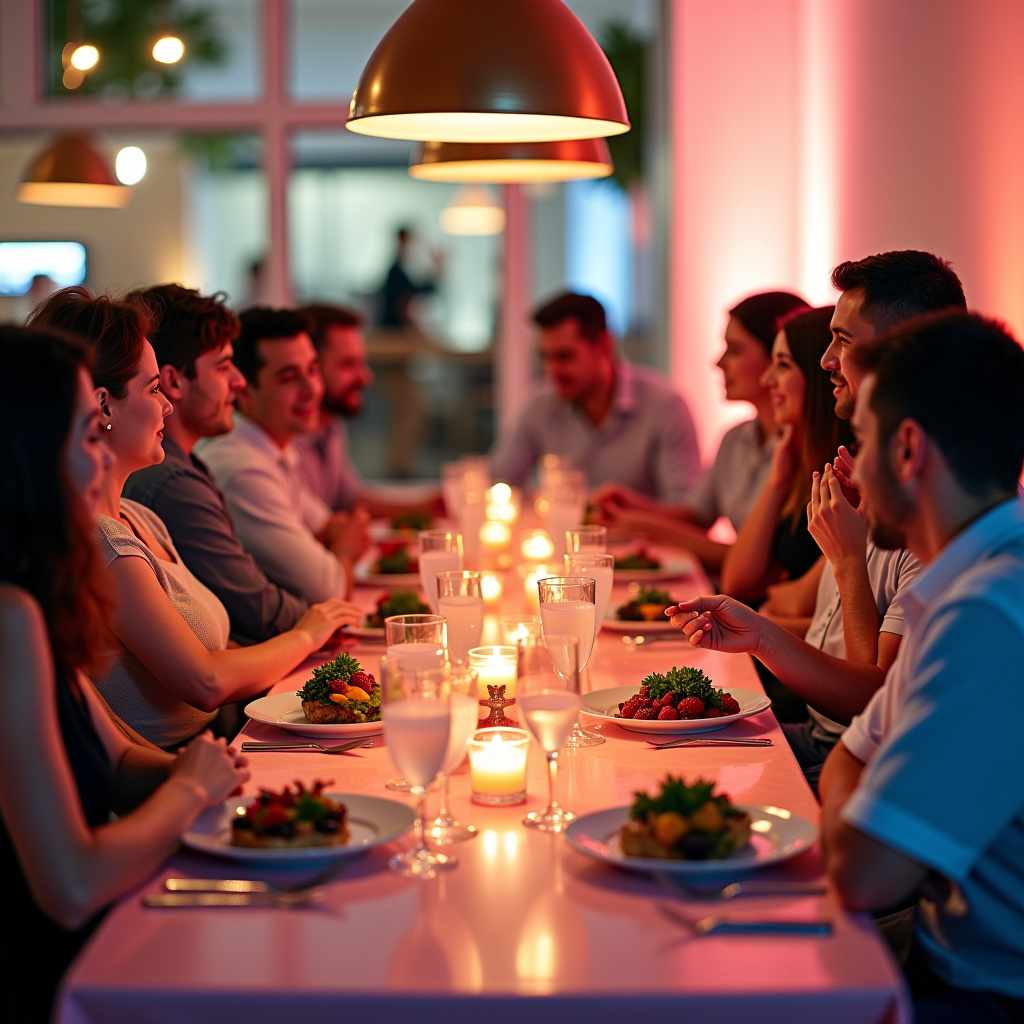
The days of inviting everyone you’ve ever met are fading. 2027 prioritizes quality over quantity, leading to more meaningful, smaller gatherings that allow for deeper connection.
What the Trend Is
This involves hosting smaller, curated events where the host can genuinely connect with every attendee. This impacts everything from formal events to casual hangouts. For those sticking to a tighter budget, this means focusing resources intensely on a smaller group, allowing for better food and ambiance, even if utilizing low-cost birthday themes is necessary.
Evidence and Why It's Emerging
Post-pandemic sociology shows a strong preference for "chosen family" gatherings. Furthermore, economic realities mean that hosting 15 people exceptionally well is often more achievable than hosting 50 adequately. This trend is most visible in the rise of intimate destination dinners and highly focused anniversary parties.
Impact and Preparation
This shift allows hosts to put more budget behind quality ingredients, better lighting, and unique seating arrangements, maximizing the impact of the event. If you are planning a large event, consider breaking it into smaller "chapters" throughout the year to maintain this sense of intimacy across your entire social circle.
Emerging Trends to Watch

While the three trends above are solidifying, keep an eye on these nascent developments that will likely take hold by 2028:
- AI-Driven Atmosphere Curation: Using AI tools to dynamically adjust lighting, music tempo, and even scent profiles based on real-time guest energy levels (monitored via passive sensors or app interaction).
- Sustainability as Standard: Moving beyond simple recycling to fully circular event planning, including zero-waste catering and sourcing all decor locally or digitally.
Future Predictions: The Blended Reality Party
By the end of the decade, we predict a seamless blending of physical and digital attendance. Guests won't just log into a Zoom link; they will be integrated physically via high-definition projection mapping or augmented reality overlays visible through smart glasses. Imagine hosting a small, elegant dinner party where a globally distant relative appears seated at the table as a lifelike 3D projection, fully interacting with the themed cocktail party menus. The challenge will be making the virtual guest feel as real as the physical ones.
Strategic Recommendations for Party Planners
Whether you are organizing a large corporate event or simply need creative party ideas for a family gathering, strategic planning is key to success in 2027.
- Prioritize Narrative Over Stuff: Spend less time worrying about cheap party decorations and more time crafting a story. A strong narrative elevates even the simplest setup. Use your free party planning checklist to dedicate a full section to the theme's storyline.
- Invest in Interaction: Identify one key interactive moment. If it’s a family reunion, perhaps it's a collaborative digital memory wall. If it’s a birthday, it might be an interactive murder mystery party kit adapted for the family dynamic.
- Audit Your Space: If you have constraints, embrace them. Use small space party layout ideas not as a limitation, but as a driver for intimacy and focus. Intimate gatherings often allow for higher quality experiences that guests truly remember.
The future of hosting is sophisticated, personal, and deeply engaging. By anticipating these shifts toward curated experiences, you can ensure your next event isn't just another party—it’s an experience people talk about for years to come.