Small Space Party Layout Ideas 101: A Complete Guide
So, you want to throw a fantastic gathering, but your living room looks more like a cozy shoe box than a sprawling ballroom? Don't panic! Hosting a memorable event doesn't require a mansion. In fact, some of the best small space party layout ideas focus on maximizing coziness and interaction. If you’re feeling overwhelmed by the prospect of fitting ten people comfortably into a space designed for three, you’ve come to the right place. This guide is your friendly, jargon-free roadmap to throwing fabulous parties, no matter the square footage.
Welcome to the World of Small Space Entertaining!
Thinking about hosting can feel daunting, especially when you’re just starting out. You might be picturing Pinterest-perfect setups that seem impossible in your apartment. Forget that image! We’re here to show you that creativity trumps square footage every single time. Whether you're planning low-cost birthday themes for your kid or a sophisticated evening, we’ll cover the basics so you can host with confidence.
What Exactly is "Small Space Party Layout"?
Simply put, small space party layout ideas are clever ways to arrange furniture, food, and people in a limited area so that everyone feels comfortable, has room to move, and, most importantly, has fun. Think of it like Tetris, but instead of blocks, you’re arranging friends, food, and atmosphere. It’s about smart placement, not sheer size.
Why This Matters for Beginners
For beginners, mastering the small space layout is crucial because it directly impacts the guest experience. A poorly arranged room leads to bottlenecks (everyone crowding by the door), awkward staring contests, and spilled drinks. When you nail the layout, even a tiny space feels intentional and welcoming. Plus, when you’re trying to stick to a budget, knowing how to maximize your existing space saves you money on venue rentals! You can focus your budget on fun extras, like great cheap party decorations or ingredients for those themed cocktail party menus.
Basic Concepts and Terminology (No Scary Words, Promise!)
Before we dive into the setup, let’s quickly define a few things we’ll be discussing:
- Flow: This is how easily people can move from one area to another (e.g., from the entrance to the food table). Good flow prevents traffic jams.
- Zoning: This means creating distinct "zones" or areas for different activities. For example, a "Chat Zone," a "Food Zone," and a "Game Zone."
- Vertical Space: This is the space above your eye level. Think shelves, hanging decorations, or tall serving platters. It draws the eye up and makes the room feel bigger.
Getting Started: Your First Steps to a Great Layout
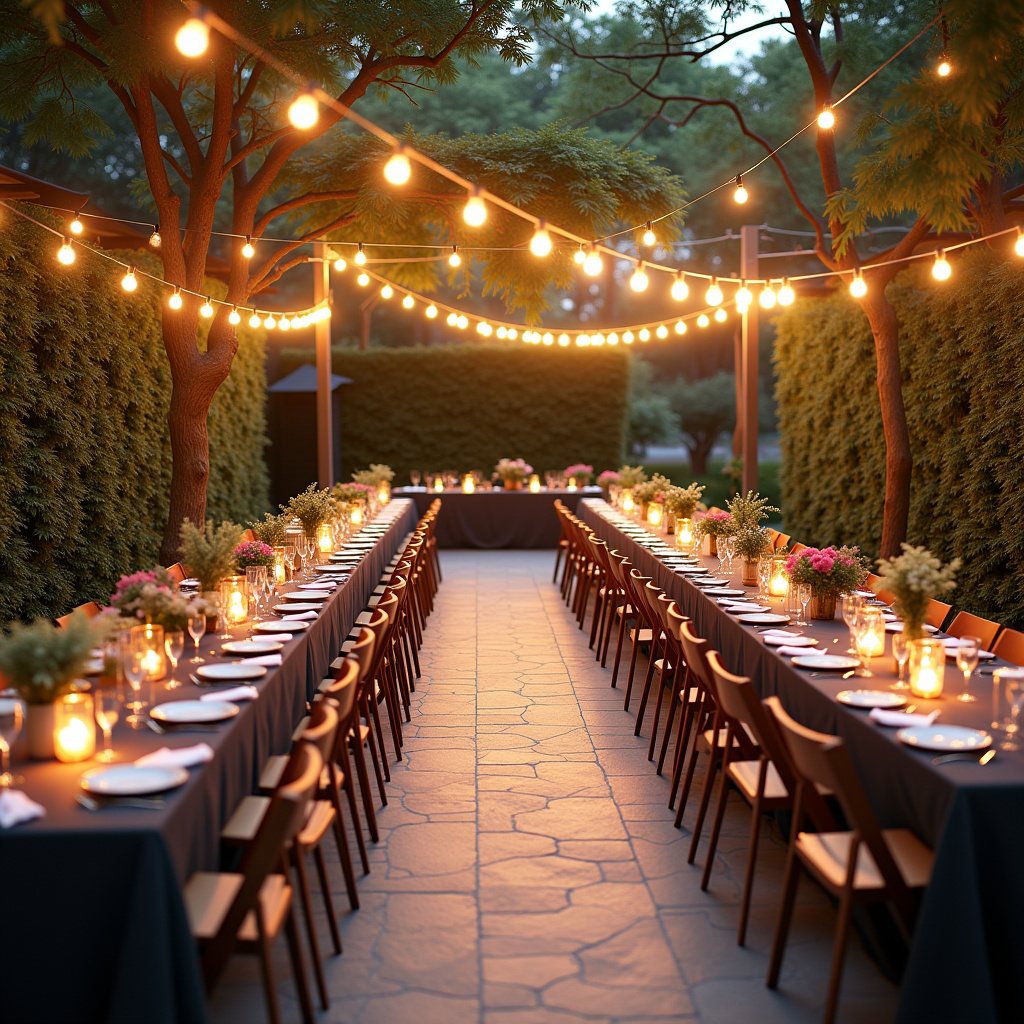
Ready to transform your cozy corner into a party hub? Here are the foundational steps to tackle before you even send out the invitations.
Step 1: Define Your Party's Purpose
The type of party dictates the layout. Are you hosting a casual game night, or an elegant dinner party themes gathering?
- Casual/Mingling: Focus on open space and small clusters of seating.
- Seated Meal: Requires more defined table space.
- Activity-Based: Needs a central area for the activity (e.g., a murder mystery setup or game area). If you’re planning an interactive murder mystery party kits night, you’ll need a dedicated table for the action.
Step 2: The Great Furniture Purge
This is the hardest but most necessary step. In a small space, every piece of furniture must earn its spot.
- Identify Must-Haves: Keep essential seating for older guests or those who need it.
- Relocate or Remove: Move that oversized armchair or extra side table into a bedroom or closet for the evening. The goal is to clear the center of the room.
- Think Multifunctional: Can the ottoman become extra seating? Can the coffee table be temporarily used as a secondary drink station?
Step 3: Mastering the Food & Drink Stations
In a small space, the food and drink stations are often the biggest culprits of congestion.
- Decentralize: Don't put everything on one giant table. If possible, place drinks in one spot (like the kitchen counter) and food in another (like a cleared dining table). This spreads guests out naturally.
- Go Vertical with Food: Use tiered serving trays or cake stands. This is a classic small space party layout idea that looks fancy and takes up less horizontal space.
Step 4: Creating Zones and Flow
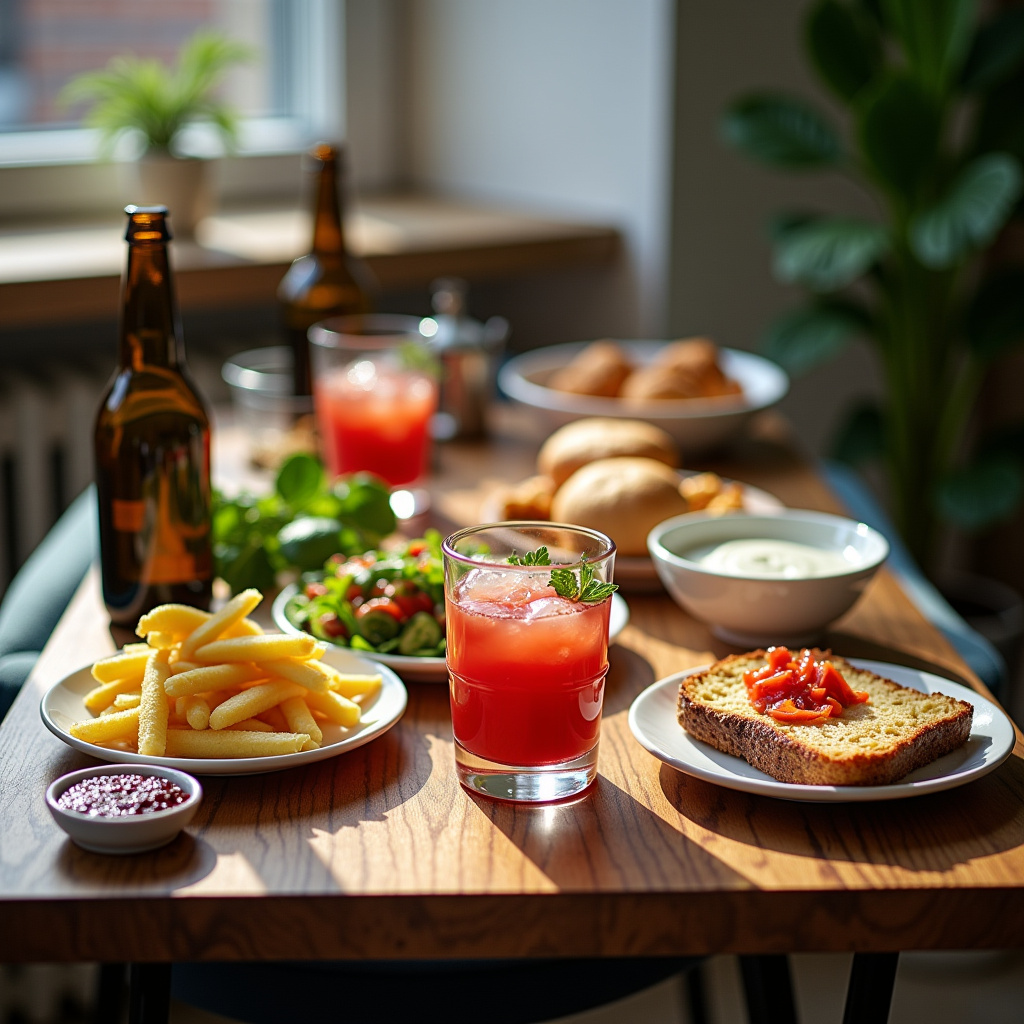
Use furniture placement to guide people naturally.
- Position the main seating area so that guests don't have to walk through the middle of a conversation cluster to get to the bathroom or the food.
- If you’re planning diy party games for adults, place the game materials in a corner that naturally encourages people to gather there without blocking the main traffic path.
Tailoring Your Layout to Specific Party Types
The layout changes depending on who is coming and what you’re celebrating.
For Teens and Young Adults
When planning teenager party themes at home, you need durability and space for movement. Teens often prefer standing and mingling over formal seating.
- Keep seating low and scattered (floor cushions are great and cheap!).
- Focus the layout around a central activity—maybe a gaming console setup or a designated snack bar.
For Milestone Celebrations
If you’re planning a significant event, like a retirement party themes for men, you might need a more organized structure.
- Set aside a designated "memory corner" for cards or a slideshow.
- Ensure there is a clear path for any formal toasts or presentations.
Keeping it Budget-Friendly
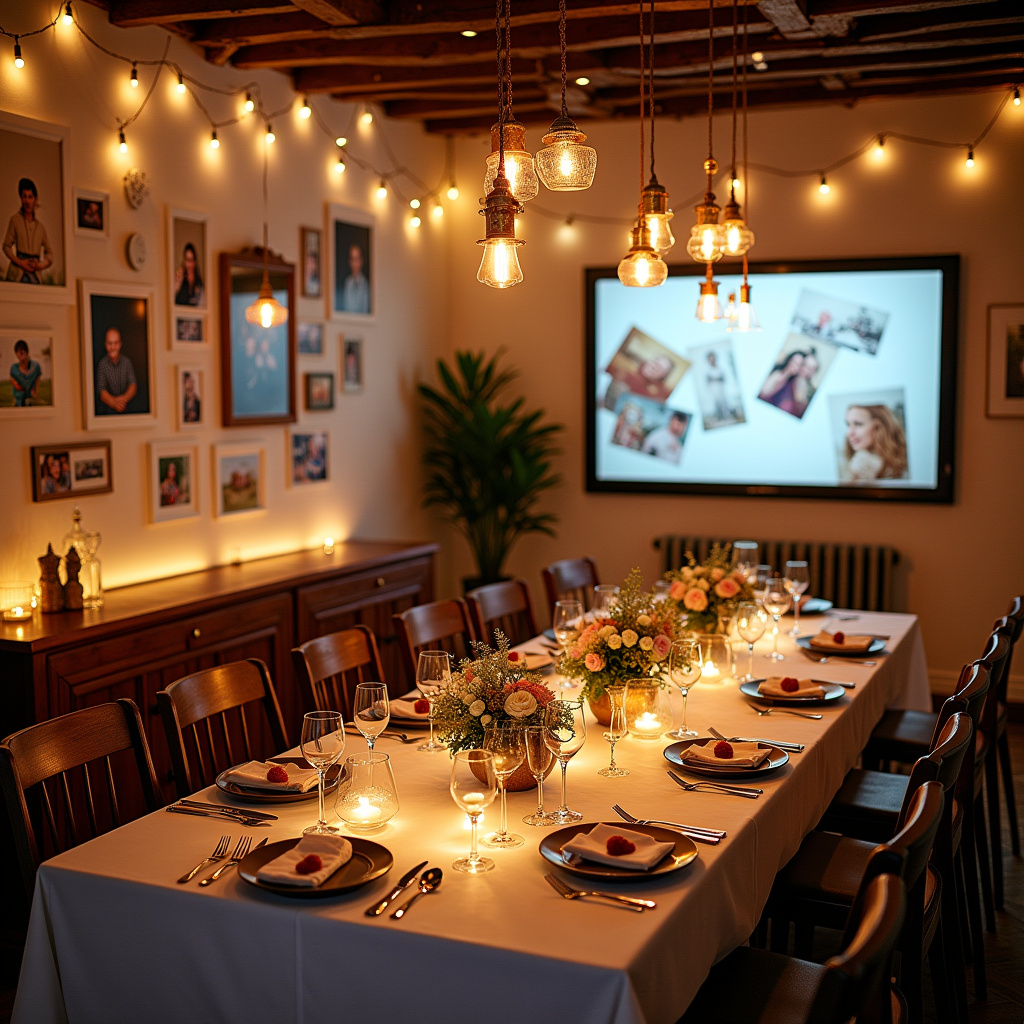
Remember, layout is free decoration! By clearing clutter, you instantly make the space look cleaner and more intentional. Combine this with cheap party decorations like balloons clustered vertically or string lights draped strategically, and you've got atmosphere on a dime. Don't forget to check out resources for a free party planning checklist to keep track of all these details without spending extra money.
Common Beginner Layout Mistakes to Avoid
Even with the best intentions, beginners often fall into a few traps:
- The "Kitchen Island Huddle": Everyone crowds around the one clear surface—usually the kitchen island or main table—because that’s where the food is. Solution: Spread the food out.
- Blocking the Exit: Placing the main seating directly in front of the door or hallway entrance. This is a major flow killer. Solution: Ensure at least a three-foot clear path to all major access points.
- Too Much Seating: Trying to fit full living room sets when you don't need them. People rarely sit the entire time. Solution: Prioritize standing room over formal chairs.
Next Steps: Leveling Up Your Hosting Game
Once you have a handle on basic spatial planning, you can explore more specialized party ideas.
If you find yourself needing structured entertainment, look into virtual party game ideas if you have remote guests, or perhaps research the best interactive murder mystery party kits for a fun, focused evening that naturally zones your space around the game table. Even for a simple get-together, knowing a few diy party games for adults can fill any lull.
And if you ever get stuck on the fly, remember that a last minute party planning guide often boils down to two things: clear paths and good lighting.
Conclusion: You've Got This!
Hosting in a small space is an art, but it’s one anyone can master. By focusing on smart small space party layout ideas—clearing clutter, decentralizing food, and creating clear flow—you transform a constraint into an asset. Your guests will appreciate the cozy, intimate atmosphere you create. So, clear that coffee table, hang those homemade banners, and get ready to enjoy your perfectly planned, perfectly compact party!