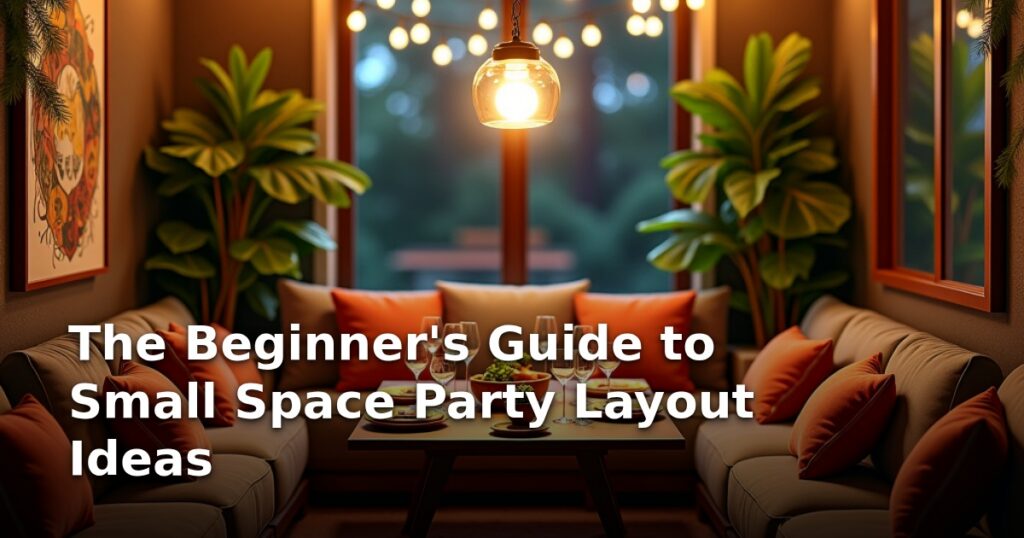
The Beginner's Guide to Small Space Party Layout Ideas
So, you want to throw a party. Maybe it’s a milestone birthday, a casual get-together, or even a sophisticated celebration, but then reality hits: you live in an apartment, a cozy condo, or just have a smaller living room than you’d like. Don't panic! Having limited square footage doesn't mean you can't host a fantastic event. Welcome to The Beginner's Guide to Small Space Party Layout Ideas. We’re here to show you that creativity trumps square footage every time, and by the end of this guide, you’ll be ready to transform your compact space into the perfect party hub.
We’ll cover everything from basic definitions to actionable steps, ensuring your first (or next) small-scale bash is a resounding success, whether you're planning low-cost birthday themes or something more formal.
What Exactly is a Small Space Party Layout?
In the simplest terms, a small space party layout is a strategic plan for arranging furniture, food stations, and guest flow within a constrained area. Think of it like Tetris, but instead of blocks, you’re arranging seating, serving dishes, and people having fun!
It’s about maximizing every inch without making your guests feel cramped or causing a traffic jam near the snack table. It requires thinking vertically, utilizing multi-purpose furniture, and prioritizing movement over massive buffet setups.
Why This Matters for Beginners
If you’re new to hosting, tackling a small space can feel overwhelming. If you ignore the layout, your party will quickly devolve into chaos: people bumping into each other, nowhere to put their drinks, and that one corner that becomes a permanent bottleneck.
Understanding layouts matters because it directly impacts the vibe of your party. A good layout ensures comfort, encourages mingling, and makes your job as the host much easier. It’s the foundation for great party ideas, regardless of your budget or theme.
The Benefit of Planning Ahead
Taking the time to map out your space is crucial, especially if you are working with a last minute party planning guide. Even a quick sketch on a napkin can save you from moving heavy furniture five minutes before guests arrive. This preparation is key to pulling off themes like a sophisticated elegant dinner party themes when you only have a small dining nook.
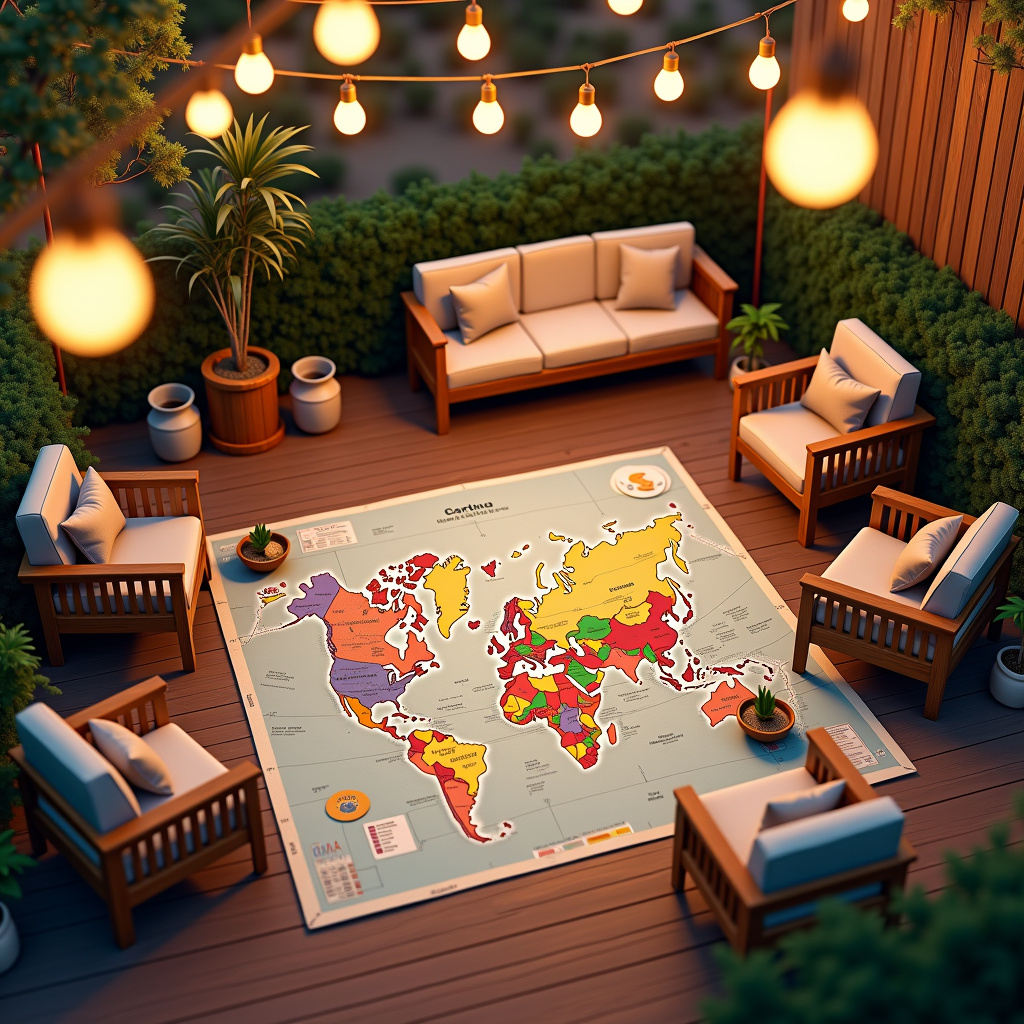
Essential Terminology Explained
Before we dive into floor plans, let’s quickly define a few terms you might hear:
- Flow: This refers to how easily people can move around the space. Good flow means no dead ends or bottlenecks.
- Zones: Breaking your small space into designated areas (e.g., a "Food Zone," a "Conversation Zone," a "Game Zone").
- Vertical Space: Utilizing walls, shelving, and hanging decorations rather than just floor space. This is great for displaying cheap party decorations without taking up table space.
- Multi-functional Furniture: Pieces that serve more than one purpose—like an ottoman that doubles as extra seating or a coffee table that can be cleared for a game.
Getting Started: Your First Steps to a Great Layout
Ready to roll up your sleeves? Here is the foolproof, step-by-step method for setting up your small space party.
Step 1: Take Inventory and Measure
Grab a tape measure and sketch your room on paper. Don't worry about artistic skill; simple boxes representing walls and doors are fine. Measure where your main furniture pieces sit. This map is your blueprint.
Step 2: Define the Purpose (And Theme)
What kind of party is it? A casual gathering for teenager party themes at home requires different seating than a formal retirement party themes for men. Knowing the purpose helps you decide what needs priority space.
- If it’s a cocktail party, you need standing room and accessible drink stations.
- If it’s a dinner party, the table is the star.
- If you plan on diy party games for adults, you need a central, clear area.
Step 3: The Furniture Shuffle (The Big Move)
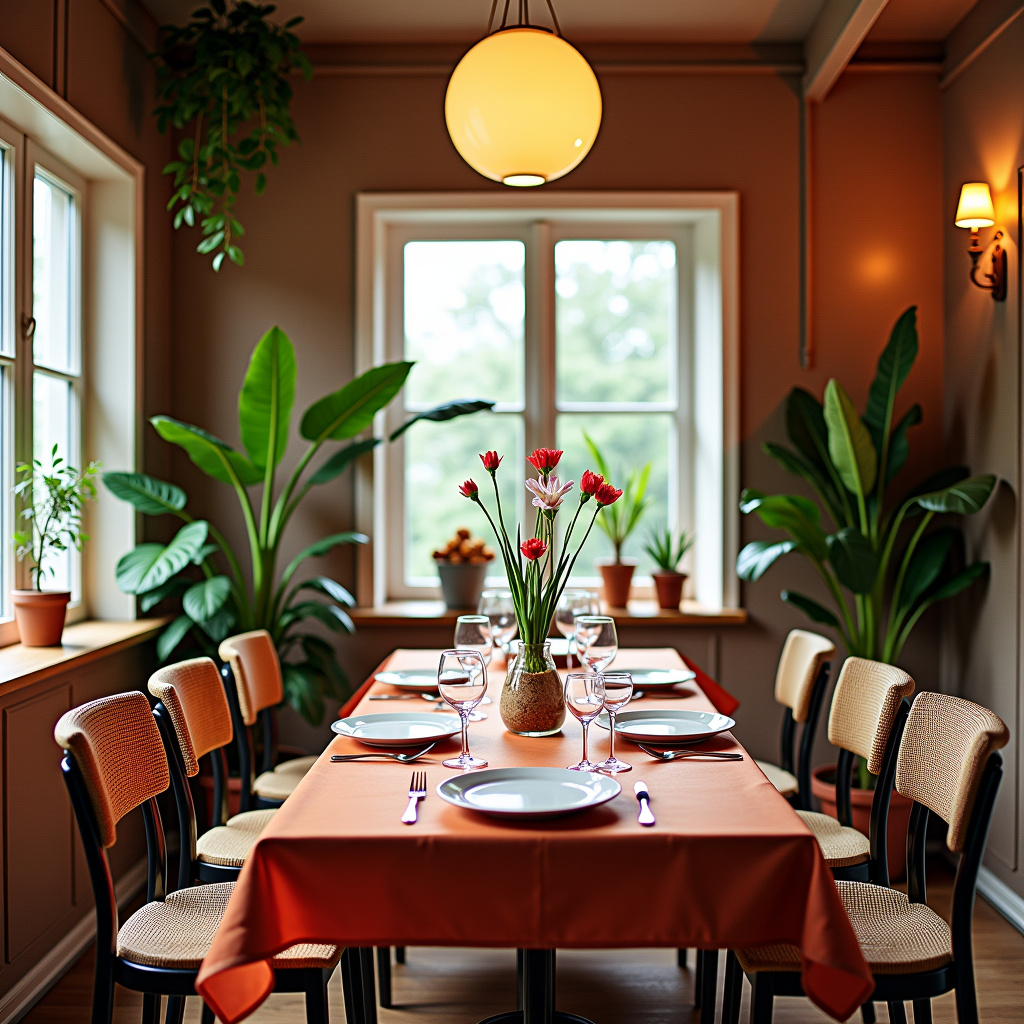
In a small space, furniture needs to serve the party, not the other way around.
- Remove the Unnecessary: Take out anything that won't be used. That bulky armchair in the corner? Stash it in a bedroom for the night.
- Push to the Periphery: Push larger, less-used items (like sideboards or consoles) against the walls.
- Create Lanes: Imagine wide pathways leading from the entrance to the food/drink area. These are your main traffic lanes—keep them clear!
Step 4: Strategic Placement of Key Zones
This is where small space party layout ideas truly shine. You must separate your zones to manage traffic.
- Food & Drink Station: Place this near the kitchen entrance if possible, but not directly in the main pathway. If you are serving a themed cocktail party menus, make the bar station visually appealing but tucked neatly against a wall.
- Seating: Instead of trying to fit a massive sofa arrangement, use smaller, movable chairs that can be tucked away easily. Ottomans and floor cushions are excellent additions for casual events.
- Activity Zone: If you have a specific activity—like setting up for an interactive murder mystery party kits or playing a quick game—designate a space for it, even if it’s only used for an hour.
Step 5: Think Vertically (Decor and Food)
Since floor space is precious, look up!
- Use tiered serving platters instead of spreading appetizers across a long table.
- Hang decorations from the ceiling (fairy lights, banners) to draw the eye up and make the room feel larger.
- If you’re having a virtual component, ensure your main party area has a clean backdrop visible to the webcam. Many great virtual party game ideas rely on visual engagement!
Common Beginner Questions About Small Space Hosting
It's normal to have doubts when space is tight. Here are a few common hurdles beginners face:
Q: Where should I put the coats?
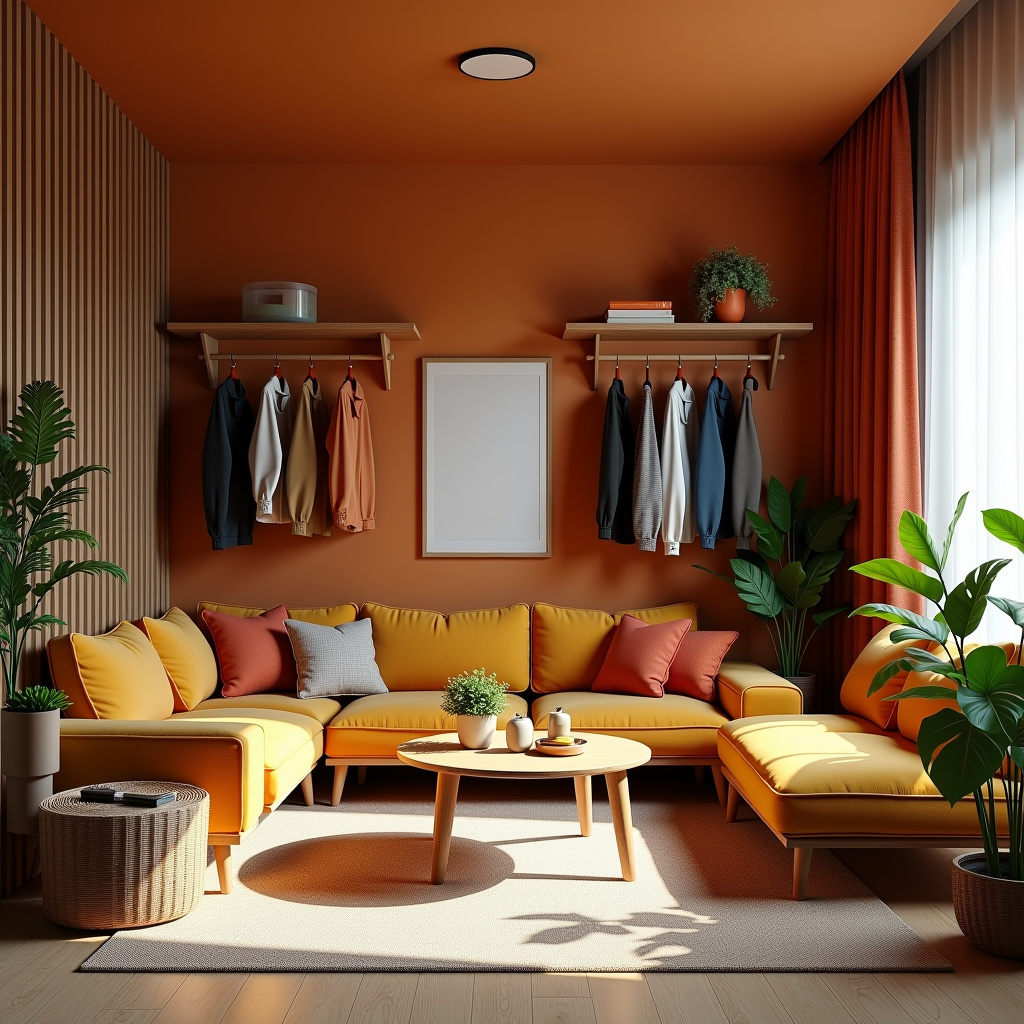
A: Never pile them on a bed or let them overwhelm the entrance. If you have a coat closet, use it. If not, designate one sturdy chair in an out-of-the-way corner for a few coats, or ask guests to bring minimal outerwear.
Q: How can I manage food service without a huge dining table?
A: Embrace the grazing concept. Use high surfaces like the back of a sofa (with protective coverings!), sturdy shelving units, or even stackable crates disguised with nice tablecloths to create multiple small serving stations around the room. This spreads the crowd out.
Q: My living room is too small for both sitting and games. What do I do?
A: Prioritize seating for mingling, and make games optional and portable. For example, instead of a large board game, opt for conversation starters or small, handheld challenges. Or, use your free party planning checklist to remind you to clear the central area entirely for a 30-minute game session, then quickly reset for conversation afterward.
Next Steps for Continued Hosting Success
Once you’ve mastered the layout, you can focus on the fun details!
- Embrace the Theme: A strong theme helps distract from the size of the room. If you’re planning low-cost birthday themes like a "1920s Speakeasy," focus on moody lighting and small, intimate groupings rather than needing a huge open dance floor.
- Lighting is Everything: Good lighting can make a small space feel cozy and intimate instead of cramped. Use lamps and string lights rather than harsh overhead fixtures.
- Test the Flow: Before guests arrive, walk through the space yourself. Pretend you are carrying a plate of food or trying to get to the restroom. Are there any snags? Adjust accordingly.
Conclusion: Your Small Space, Big Party Potential
Hosting a party in a small space is not a limitation; it’s an opportunity to be creative, intimate, and focused. By strategically planning your small space party layout ideas, you ensure comfort and encourage genuine connection among your guests. Don't strive for a massive ballroom feel; aim for a warm, perfectly curated gathering. Armed with these basics, you are ready to plan an event that proves the best parties are always about the people, not the square footage! Happy hosting!