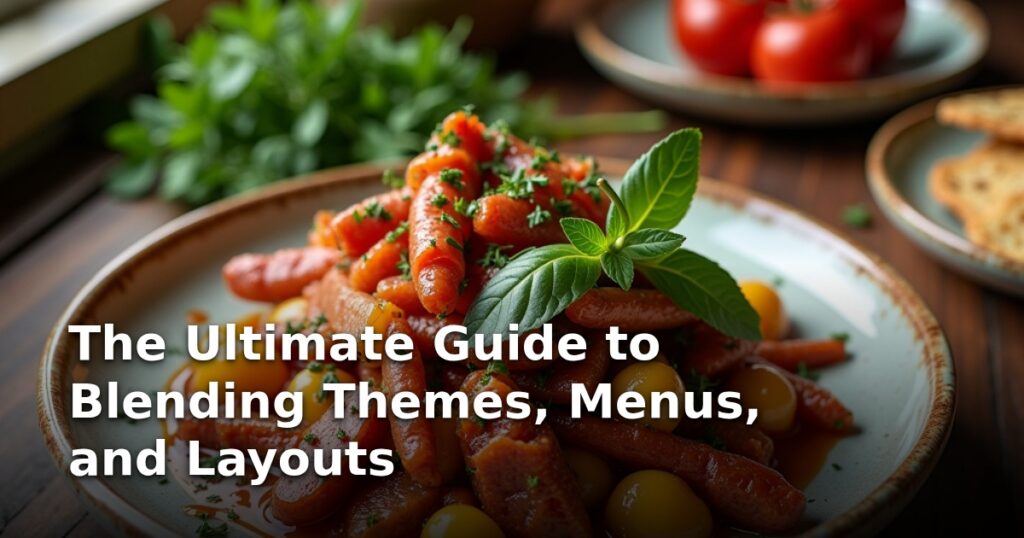
The Ultimate Guide to Blending Themes, Menus, and Layouts
Welcome, fellow party planners! If you’ve ever stared at a blank invitation template feeling overwhelmed, wondering how to transform a simple gathering into a memorable experience, you’ve come to the right place. This Ultimate Guide to Blending Themes, Menus, and Layouts is your blueprint for creating cohesive, stunning events, whether you’re throwing a casual get-together or a milestone celebration. We’ll dive deep into making sure your chosen theme sings through every detail—from the appetizers to the seating arrangement.
Executive Summary
This guide provides a comprehensive roadmap for harmonizing three critical elements of event planning: the theme, the food (menu), and the physical setup (layout). We cover everything from brainstorming initial party ideas to executing sophisticated details like elegant dinner party themes. Readers will learn how to select appropriate themes for various occasions (like low-cost birthday themes or retirement party themes for men), design menus that match the mood, and optimize spaces—even for small gatherings (small space party layout ideas) or remote events (virtual party game ideas). By the end, you'll have the confidence to plan events where every element feels intentional and perfectly integrated.
Table of Contents Preview
- Executive Summary
- Fundamentals and Core Concepts: Why Cohesion Matters
- Key Components: Defining Your Theme, Menu, and Layout
- Implementation: Making the Blend Work
- Choosing the Right Theme (From Casual to Formal)
- Designing Menus that Tell a Story (Including Themed Cocktail Party Menus)
- Mastering Layout for Flow and Atmosphere
- Advanced Strategies for Seamless Integration
- Budgeting for Impact: Utilizing Cheap Party Decorations
- Handling the Unexpected: Last Minute Party Planning Guide Tips
- Common Questions and Answers (FAQs)
- Tools and Resources (Including Free Party Planning Checklist)
- Conclusion and Action Plan
1. Fundamentals and Core Concepts: Why Cohesion Matters
Why bother blending these elements so meticulously? Because cohesion turns a gathering into an experience. When your theme, food, and layout work together, guests immediately understand the vibe, feel more immersed, and enjoy themselves more thoroughly. A poorly matched event feels disjointed—imagine a "Roaring Twenties" theme served alongside lukewarm hotdogs and scattered folding chairs. Integration is the secret sauce to memorable entertaining.
This guide focuses on showing you how to achieve that seamless flow, ensuring your chosen party ideas translate flawlessly from concept to reality.
2. Key Components: Defining Your Theme, Menu, and Layout
Before diving into execution, we must clearly define our three pillars.
Defining the Theme
The theme sets the emotional tone. It dictates color palettes, music choices, and, crucially, the style of your menu and layout. Themes can range widely:

- Casual Fun: Think "Taco Tuesday Fiesta" or "80s Throwback."
- Sophisticated: Perhaps an "Art Deco Gala" or elegant dinner party themes like "A Night in Tuscany."
- Activity-Based: Ideal for groups wanting interaction, such as an interactive murder mystery party kits night.
Crafting the Menu
The menu must visually and tastefully reflect the theme. For a "Tropical Luau," skewers and vibrant fruit cocktails are mandatory. For a "Speakeasy Soirée," sophisticated small bites and specialty drinks are key. Consider dietary needs, but always prioritize thematic relevance when designing themed cocktail party menus.
Designing the Layout
The layout is the physical manifestation of your theme. Does your theme require intimate seating areas (like a library theme) or large open spaces for dancing (like a disco theme)? Even if you are planning teenager party themes at home, the layout should encourage mingling relevant to the activity.
3. Implementation: Making the Blend Work
This is where the rubber meets the road. How do we ensure the theme, menu, and layout support each other?
Choosing the Right Theme (From Casual to Formal)
When selecting a theme, always consider your audience. Retirement party themes for men often lean towards hobbies (golf, travel) or nostalgic eras, requiring a comfortable, celebratory layout. Conversely, low-cost birthday themes for younger crowds might favor DIY elements and high energy, dictating a more flexible layout.
- Scenario Example: Planning a "Hollywood Premiere" theme.
- Menu: Champagne tower, canapés.
- Layout: A designated "red carpet" entrance area, draped fabrics, and small, high cocktail tables to encourage standing and viewing.
Designing Menus that Tell a Story (Including Themed Cocktail Party Menus)
Your food presentation is decoration! Use serving dishes that match the aesthetic. If you are hosting a "Wild West" BBQ, skip the fine china and use rustic wooden boards and mason jars for drinks. When creating themed cocktail party menus, name your drinks after characters or key elements of the theme—it adds instant fun and reinforces the concept.
Mastering Layout for Flow and Atmosphere
Flow is paramount. Guests shouldn't have to navigate a maze to get a drink or a plate of food. This is especially crucial when dealing with small space party layout ideas.
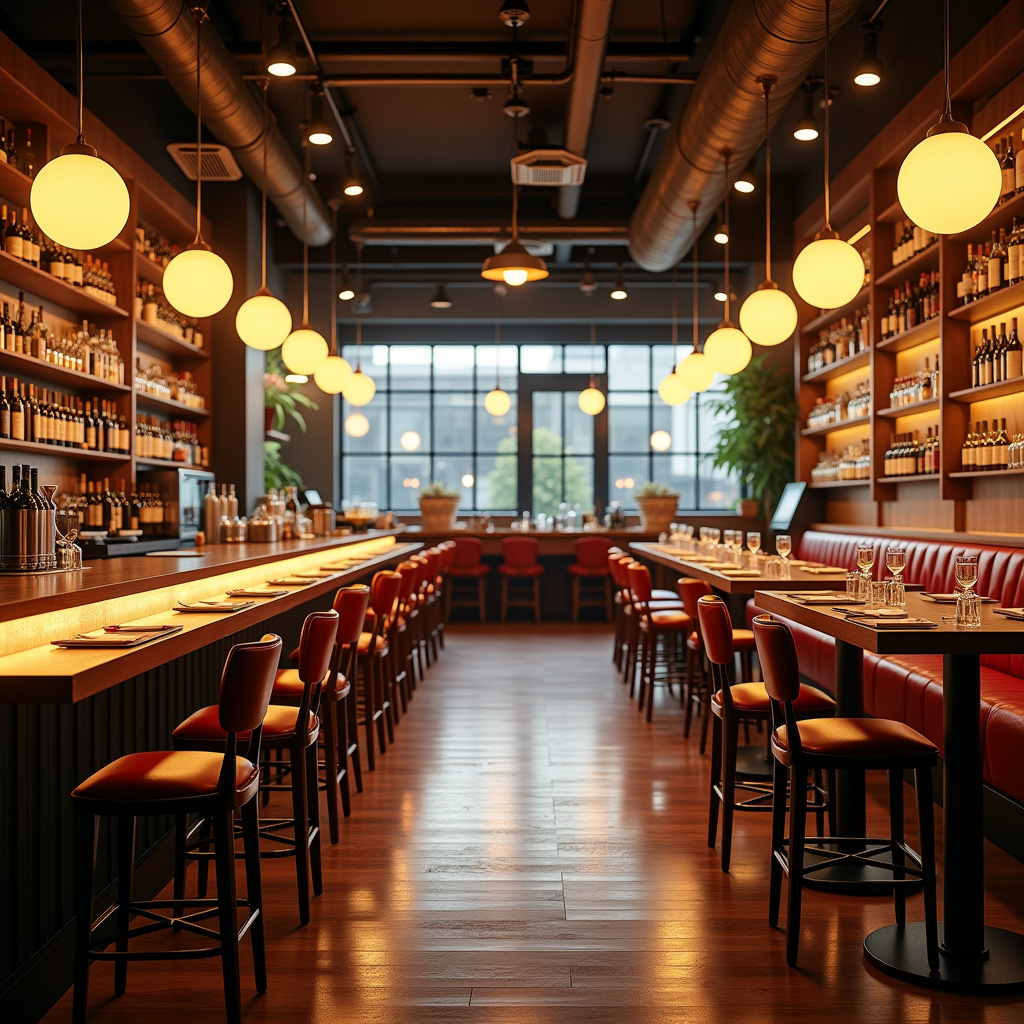
- Define Zones: Create clear zones: Food/Drink Station, Activity/Game Zone, and Seating/Lounge Area.
- Traffic Flow: Ensure the path between the food station and the main gathering area is unobstructed.
- Thematic Anchors: Use large decorative items (like a centerpiece or a specific photo booth backdrop) as focal points that visually connect the layout to the theme. For instance, in a "Mad Scientist" party, the bar might be set up like a laboratory workbench.
4. Advanced Strategies for Seamless Integration
Once the basics are covered, these advanced tips will elevate your event from good to unforgettable.
Budgeting for Impact: Utilizing Cheap Party Decorations
A fantastic theme doesn't require breaking the bank. Smart execution of cheap party decorations can look incredibly high-end when integrated correctly.
- Color Blocking: If your theme is "Great Gatsby," use black, gold, and white. Instead of buying expensive centerpieces, buy inexpensive white tablecloths and use black and gold streamers or painted cardboard cutouts for maximum visual impact.
- Lighting is Key: Lighting is the cheapest way to transform a layout. Warm, dim lighting suggests intimacy (great for elegant dinner party themes), while colored LEDs can instantly create a party atmosphere for diy party games for adults.
Activity Integration: Games That Match
The activity should flow naturally from the theme and layout. If you have a small space, opt for activities that don't require much movement. Virtual party game ideas like Pictionary or trivia work perfectly for hybrid or remote events, but even in-person, simple table games fit well into intimate layouts. If you’ve invested in an interactive murder mystery party kit, ensure the layout has several small groups of chairs so guests can easily form their detective teams without feeling crowded.
Handling the Unexpected: Last Minute Party Planning Guide Tips
Sometimes, life happens, and you need a quick pivot. If you must pull off a party quickly, lean heavily on a simple, adaptable theme (like "Black & White Cocktail Hour"). Focus your limited time on the essentials:
- Simplify the Menu: Choose items that require zero cooking on site (e.g., cheese boards, pre-made dips).
- Maximize Existing Decor: Use what you have for cheap party decorations—candles, nice linens, and good music can carry a simple theme.
- Use a Free Party Planning Checklist: Even a last-minute one helps you prioritize essentials over non-essentials.
5. Common Questions and Answers (FAQs)
Q: How do I make a very complex theme work in a very small space?
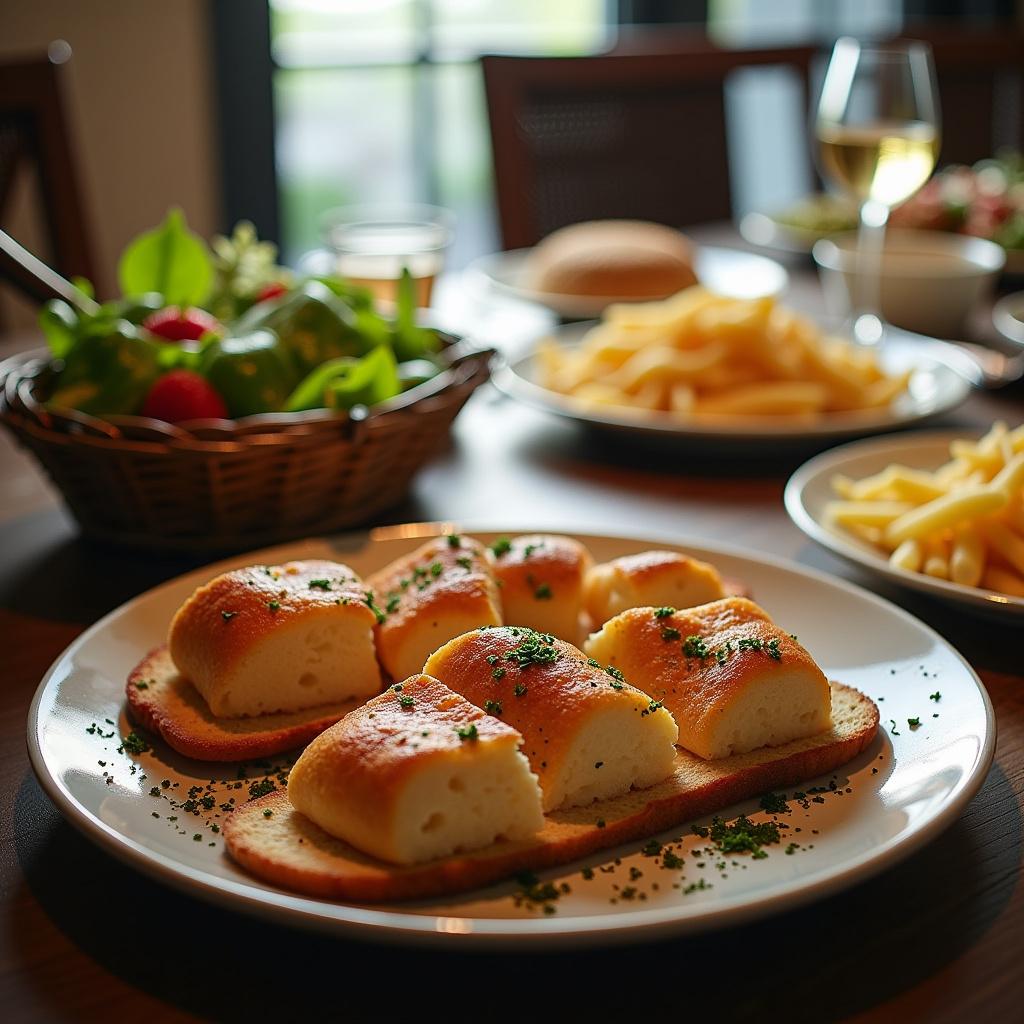
A: Focus on high-impact, low-footprint decorations. Use vertical space (wall hangings, banners) rather than spreading items across tables. For the layout, prioritize vertical seating (bar stools instead of large chairs) and ensure the food station is highly organized to prevent bottlenecks.
Q: What are some good low-cost birthday themes that are easy to blend with food?
A: "Pajama Party Movie Marathon" (easy snacks like popcorn bars and hot chocolate), or "Color Block Party" (choose one color, and serve food items that naturally match that color—e.g., green theme means guacamole, grapes, and green punch).
Q: Are diy party games for adults always cheaper than buying kits?
A: Usually, yes. However, specialized kits like interactive murder mystery party kits often save immense planning time, which is valuable. DIY is best for simple concepts like charades or personalized trivia about the guest of honor.
Q: Can I use the same layout for a formal dinner and a casual mixer?
A: It’s challenging. Formal dinners require dedicated seating. For a versatile layout, use convertible furniture—tables that can be pushed together for a meal or separated into small clusters for mingling later.
6. Tools and Resources
To help you maintain this level of detail, having the right tools is essential.
- The Essential Document: Download or create a free party planning checklist. This ensures you don't forget critical steps like checking RSVPs or confirming ice delivery.
- Inspiration Boards: Use Pinterest or a physical corkboard to visually map out how your chosen colors, food images, and layout sketches interact.
- Budget Trackers: Keep a running tally, especially when sourcing cheap party decorations or specialty ingredients for your themed cocktail party menus.
7. Conclusion and Action Plan
Blending themes, menus, and layouts is the art of intentional design. When these three elements harmonize, your guests won't just attend an event; they will step into a curated world. Whether you are planning elaborate retirement party themes for men or a simple gathering with great party ideas, remember that consistency is key.
Your action plan starts now: Choose your theme, sketch a preliminary layout that supports the theme's activities, and then design a menu that visually and gastronomically reinforces the concept. Happy planning!